
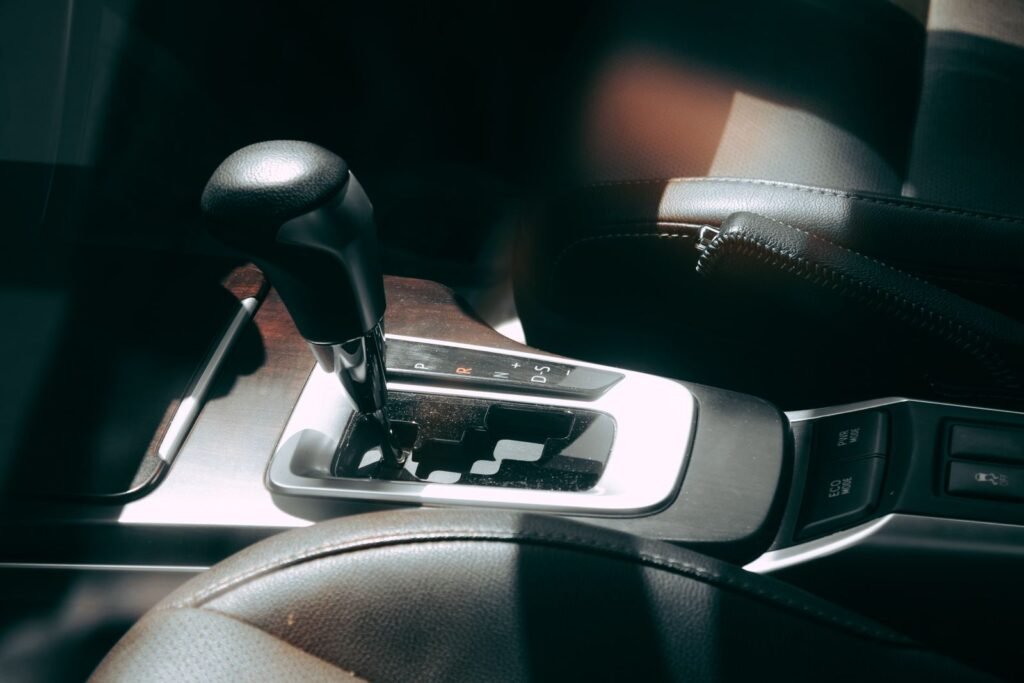
Transmission slipping is when your car feels like it briefly loses drive, revs rise without matching speed, or gears change late, harshly, or not at all. The short answer: stop heavy driving at once, check the transmission fluid level and condition if your car allows it, and book a diagnosis promptly, because slipping creates heat and wear that turn a small repair into a rebuild. A fluid service or a solenoid repair can cost a few hundred dollars, while a rebuild commonly costs 1500 to 4500 dollars and a full replacement commonly costs 3000 to 7000 dollars or more, based on current workshop pricing guides checked during this run. Your first decision is not to keep driving through the slip in the hope that it clears. It is to reduce load, avoid highway merging and towing, and get the cause found.
Slipping happens when the transmission cannot hold the gear it has selected. In an automatic, that usually means low or degraded fluid, a worn clutch pack, a failing solenoid, a leaking seal, or a control fault. In a manual, slipping usually means a worn clutch that cannot grip the flywheel, especially under load. In both cases the result is similar: engine speed rises, road speed does not, and the car feels hesitant or jerky. Continued slipping generates heat, and heat breaks fluid down faster, which makes the slip worse. That cycle is why early action saves money.
How to recognise slipping
Watch for revs climbing without a matching increase in speed, a delay of a second or more when you shift from park to drive or reverse, gears that shift at odd times, a shudder when accelerating gently, or the car dropping out of gear on a hill or during a merge. You may also notice a burning smell, fluid spots under the car, or a transmission warning light. Your action: note exactly when the slip happens, such as cold starts only, hot driving only, uphill only, or one gear only, because that pattern helps a technician narrow the cause before opening anything.
Do not confuse a brief cold morning delay with constant slipping. Some automatics shift a little later when cold while fluid warms up, and that usually settles within a few minutes. Your action: if the delay or slip disappears quickly and never returns, still check fluid level and condition at the next opportunity. If it returns daily, gets worse when hot, or happens under load, treat it as a fault, not a quirk.
Step 1: check fluid level and condition safely
Many cars still have a transmission dipstick, often with a different handle from the engine oil dipstick, while others are sealed and need a shop lift and a fill plug check. If your car has a dipstick, follow the manual procedure exactly, because many automatics must be checked warm, running, and in park on level ground. Pull the dipstick, wipe it, reinsert it fully, and read it again. Healthy automatic fluid is usually red or pink and fairly clear, with a mild sweet smell. Dark brown or black fluid, a burnt smell, or metal particles in the fluid all point to internal wear or overheating. Your action: if fluid is low, top it up only with the exact fluid type in your manual, because the wrong fluid can damage seals and shift quality. If fluid is burnt or full of debris, do not rely on a fluid change alone to fix it, and book a diagnosis.
Look under the car for reddish fluid spots, especially near the transmission pan, cooler lines, or axle seals. A slow leak lowers the level gradually, which causes slip that comes and goes at first, then becomes constant. Your action: if you find a leak, check the level more often, avoid towing and hard acceleration, and get the seal or line repaired before the level drops far enough to cause internal damage. For the full checking procedure, read our guide on how to check transmission fluid and follow its warm check steps for your car type.
Step 2: reduce load and decide whether to drive
If slipping is mild and only occasional, you can usually drive gently to a nearby shop, avoiding highways, steep hills, and towing. Keep revs low, accelerate gradually, and stop if the slip gets worse or a warning light appears. If the car drops out of gear, will not hold a gear, makes grinding noises, or smells strongly burnt, stop driving and call for a tow. Your action: a tow costs far less than a rebuild, and every extra mile of slipping adds heat and debris inside the transmission.
Do not add stop slip additives as a long term fix. Some products can temporarily firm up shifts by swelling seals, but they do not repair worn clutch material or a failing solenoid, and they can mask a problem until it fails completely. Your action: tell the shop about any additive you used, because it changes fluid condition and can affect their diagnosis.
Common causes and what each one means
Low or degraded fluid
Low fluid starves the hydraulic system of pressure, so clutches cannot grip fully. Degraded fluid loses its friction properties and its ability to carry heat away. A fluid and filter service commonly costs 125 to 400 dollars, based on current guides, and it helps only if internal parts are still healthy. Your action: if a fluid service improves shifting, keep the new service interval in your records and recheck the level monthly, because a leak that caused the low level will return unless it is also fixed.
Solenoid, sensor, or control fault
Shift solenoids control fluid flow to each gear, and sensors tell the control unit about speed, throttle, and temperature. A failing solenoid can cause late shifts, harsh shifts, or a stuck gear, and a faulty sensor can make the transmission choose the wrong gear. A single solenoid repair commonly costs 150 to 600 dollars, while a valve body or multi solenoid job costs more. A diagnostic scan, commonly 75 to 150 dollars, reads fault codes and live data before parts are replaced. Your action: ask for the scan result and the exact code before approving a solenoid job, so you do not pay for a solenoid when the fault is wiring or a sensor.
Worn clutch packs, bands, or torque converter
Inside an automatic, clutch packs and bands grip to hold each gear. When their friction material wears thin, they slip under load, especially in higher gears or on hills. A torque converter fault can cause shudder, slip at low speed, or overheating. These are internal faults, and the fix is usually a rebuild or a replacement. A rebuild commonly costs 1500 to 4500 dollars, and a remanufactured replacement commonly costs 2500 to 7000 dollars installed, with luxury cars, trucks, and continuously variable transmissions at the higher end. Your action: get at least two written quotes for a rebuild versus a remanufactured unit, and ask what warranty each option carries, because warranty length often matters more than a small price difference.
Manual clutch slip
In a manual, a worn clutch disc slips when you accelerate hard, climb a hill, or drive in a high gear at low revs. You will hear revs rise without speed, smell a burnt clutch, and feel the car struggle on inclines. A manual clutch replacement commonly costs 500 to 1500 dollars, depending on the car and whether the flywheel also needs work. Your action: test for slip safely by accelerating gently in a higher gear on a quiet road. If revs rise sharply without speed, book a clutch inspection and avoid hard launches and hill starts until it is fixed, because slipping wears the flywheel surface and raises the final bill.
What to ask the shop before approving work
Ask for the fault codes, the fluid condition report, and whether the problem is external or internal. Ask whether a fluid service, a solenoid, or a sensor could explain the symptoms, and what test proves it. Ask for parts and labour split separately, and for the warranty on a rebuild or replacement in miles and months. Your action: do not approve a rebuild on a first visit without a scan and a fluid check, unless the transmission has already lost drive completely or shows heavy metal debris, because those two findings already point to internal damage. For other warning signs that overlap with slipping, read our guide on transmission problems, signs and symptoms and compare its list with what your car is doing before you call the shop.
How to prevent the next slip
Follow the fluid service interval in your manual, not a generic interval, because some sealed transmissions still need service at set mileage, and towing or hot climate driving shortens the interval. Fix leaks early, keep the cooling system healthy, and avoid towing above your rated limit. Your action: after any transmission repair, note the mileage, keep the invoice, and recheck fluid level and shift quality after a week of normal driving, so a new leak or a poor shift is caught while the repair is still under warranty.
Frequently asked questions
Can I drive with a slipping transmission
Only gently and only to a nearby shop, if the slip is mild, occasional, and the car still holds gears. Your action: stop and tow the car if it drops out of gear, will not engage, grinds, or smells strongly burnt, because continued driving in that state can turn a solenoid or fluid job into a full rebuild.
Will a fluid change fix slipping
It can help if the cause is low or slightly degraded fluid and internal parts are still healthy, but it will not repair worn clutch packs or a failed solenoid. Your action: treat a fluid service as a diagnostic step as well as a repair. If shifting improves only briefly and then slips again, book a scan and an internal inspection rather than repeating fluid changes.
Is a rebuild or a replacement better
A rebuild keeps your original unit and replaces only worn parts, which can cost less, while a remanufactured replacement arrives tested and often carries a longer warranty. Your action: compare total installed cost, warranty length, and downtime for both options on your car, and choose the option with the clearer warranty, not simply the lowest headline price.
Transmission slipping is a warning to act early, not a fault to drive through. Check fluid level and condition, reduce load, get a scan before approving major work, and compare rebuild and replacement quotes with warranty terms. Caught early, slipping can end as a fluid service or a solenoid repair. Ignored, the same slip can end as a rebuild bill several times larger.
Pingback: Transmission Fluid Check: What Color Smell and Level Actually Tell You
Pingback: Car Wont Reverse: Causes, Checks and What to Do Next
Pingback: Whining Noise When Your Car Accelerates: Causes Explained