
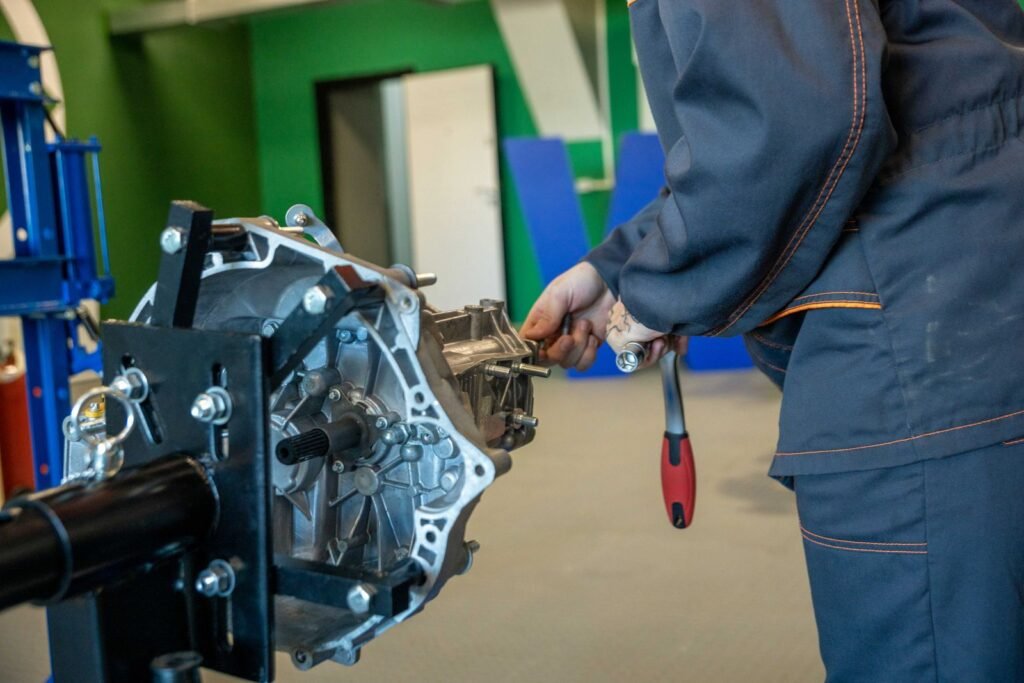
A full transmission replacement typically costs 2,900 to 7,100 dollars installed, according to Kelley Blue Book, while RepairPal puts its September 2026 national estimate at 6,238 to 6,764 dollars. The wide range comes from the transmission type, the vehicle, and whether the shop fits a new, remanufactured, rebuilt or used unit. Before you approve a replacement, get the exact fault diagnosed, because many slipping symptoms come from a cheap fix such as low fluid or a bad solenoid, not from a dead transmission.
This guide compares every option side by side, explains what pushes the price up or down, and shows how to decide between repair, rebuild and replacement. If your car is slipping or shifting roughly, read our guide on transmission slipping first, because it walks through the checks that separate a minor fault from a major one.
Transmission Replacement Cost by Option
| Option | Typical cost installed | Best for |
|---|---|---|
| Fluid service | 150 to 400 dollars | Dirty fluid, mild slipping, scheduled service |
| Targeted repair, solenoid or valve body | 150 to 800 dollars | One failed part, rest of unit healthy |
| Local rebuild | 1,800 to 4,500 dollars | Mainstream automatic with internal wear |
| Remanufactured unit | 3,800 to 6,500 dollars | Full failure, want a strong warranty |
| Used or salvage unit | 1,400 to 4,000 dollars | Older car, tight budget, short term fix |
| New OEM unit at a dealer | 6,000 to 10,000 dollars | Newer car, factory warranty, rare fitment |
RepairPal notes that its replacement estimate carries about 5,110 dollars in parts and 1,127 to 1,654 dollars in labor, which shows why the unit itself drives the bill. Removal and refitting labor alone runs 8 to 11 hours on many cars. A CVT or dual clutch rebuild costs more, typically 2,500 to 6,500 dollars, and luxury or performance cars can reach 4,000 to 10,000 dollars for a rebuild. Ask every shop for an itemized quote that lists parts, labor, fluid, tax and warranty separately, so you can compare like with like.
What Pushes the Price Up or Down
The transmission type matters most. A simple four speed automatic costs far less than a CVT, a dual clutch or an eight speed automatic, because the parts are cheaper and more shops can rebuild them. The vehicle matters too: trucks, luxury cars and European models carry higher parts prices and longer labor times, and some cars need the subframe or even the engine removed to get the transmission out, which adds hours.
Where you go matters as well. An independent transmission specialist typically prices 30 to 40 percent below a dealer on the same failure, because dealers fit new or factory remanufactured units at 180 to 250 dollars per hour and do not offer used or local rebuild options. A local rebuild usually carries a 12 month and 12,000 mile warranty honored only at the shop that built it, while a remanufactured unit often carries a 3 year nationwide warranty, so the cheaper option can cost more if it fails again.
Watch for extras that are not in the headline price. A diagnostic fee runs 100 to 200 dollars, towing runs 75 to 200 dollars locally, a core charge on a remanufactured unit can run 200 to 800 dollars if your old unit is damaged or not returned, and a cooler or cooler lines full of debris can add 150 to 500 dollars. Ask the shop to list these before you sign.
Repair, Rebuild, or Replace: How to Decide
Start with the diagnosis, not the price list. A transmission that slips only when cold, or that shifts hard after a fluid change was missed, may only need fresh fluid and a filter. A single fault code for a shift solenoid points to a targeted repair. A unit with burnt fluid, metal in the pan and slipping in every gear has internal damage, so a rebuild or a replacement is the honest answer. Check the fluid first with our guide on how to check transmission fluid, because dark, burnt smelling fluid tells you the inside of the unit is already worn.
Choose a rebuild when the case and hard parts are sound, the car is worth keeping, and you trust the shop doing the work, because a rebuild keeps your original unit and your exact fitment. Choose a remanufactured unit when you want the strongest warranty and a factory tested build, and the price gap over a rebuild is small. Choose a used unit only on an older car where a rebuild costs more than the car is worth, and only with a written warranty of at least 30 to 90 days. Choose a new OEM unit only on a newer car under warranty, or when no rebuild or remanufactured option exists.
Use the 50 percent rule as your cutoff. If the repair climbs above 50 to 60 percent of your car current market value, pause and price the car as it stands, because selling it and buying a replacement car may leave you better off. If a shop quotes a rebuild above 5,000 dollars on a mainstream non luxury car, get a written second opinion before you sign anything.
Signs You May Need a Replacement
Book a diagnosis at once if the transmission slips out of gear, refuses to engage drive or reverse, makes grinding or whining noises, leaks red or brown fluid onto your driveway, or the check engine light comes on with transmission codes. If the car will not move in reverse at all, read our guide on car wont reverse to see the checks a shop will run before it quotes a replacement.
Do not keep driving a slipping transmission to save a tow fee. Slipping creates heat, and heat turns a worn clutch pack into a burnt one, which raises the repair from a rebuild to a full replacement. If the fluid smells burnt or looks black, park the car and call for a tow, because every extra mile adds damage.
How to Avoid Overpaying
Get two written quotes, one from a dealer and one from an independent transmission specialist, and ask both shops to quote the same option, whether a rebuild or a remanufactured unit, so the prices compare fairly. Never accept a phone quote as final, because a shop can only price the job once it has scanned the car and inspected the fluid.
Ask who does the work and who honors the warranty. A shop that removes the transmission but sends it to another shop for the rebuild can leave you caught between two warranties if the repair fails. Ask for the warranty in writing before you sign, including the term, the mileage limit and whether it covers parts and labor at any shop or only at the shop that fitted it. Ask whether the torque converter is included, because a worn converter can contaminate a fresh unit.
Skip the extras that do not help. A new radiator or cooler flush is worth doing only if the old cooler is full of debris, and a full fluid flush on a worn transmission can stir up debris and make slipping worse. Ask the shop to show you the old parts and the failed component after the job, because a shop that can show you the failure is a shop that diagnosed it.
Frequently asked questions
How much does a transmission replacement cost?
Most replacements cost 2,900 to 7,100 dollars installed, with RepairPal putting the national estimate at 6,238 to 6,764 dollars for September 2026. A rebuild usually runs 1,800 to 4,500 dollars, and a used unit runs 1,400 to 4,000 dollars.
Is it cheaper to rebuild or replace a transmission?
A rebuild is usually cheaper, at 1,800 to 4,500 dollars against 3,800 to 6,500 dollars for a remanufactured unit. A remanufactured unit can still be the better buy when the price gap is small, because it carries a stronger warranty.
How long does a transmission replacement take?
Plan for one to three days, because the shop needs 8 to 11 hours of labor to remove and refit the transmission. A rebuild adds one to two days, and a rare unit can take longer if the shop has to order parts.
Can I drive with a slipping transmission?
Drive only as far as a safe parking spot or a nearby shop, and slowly. Slipping creates heat that burns clutch packs and turns a rebuild into a full replacement. If the fluid smells burnt or the car will not hold a gear, stop and call for a tow.