
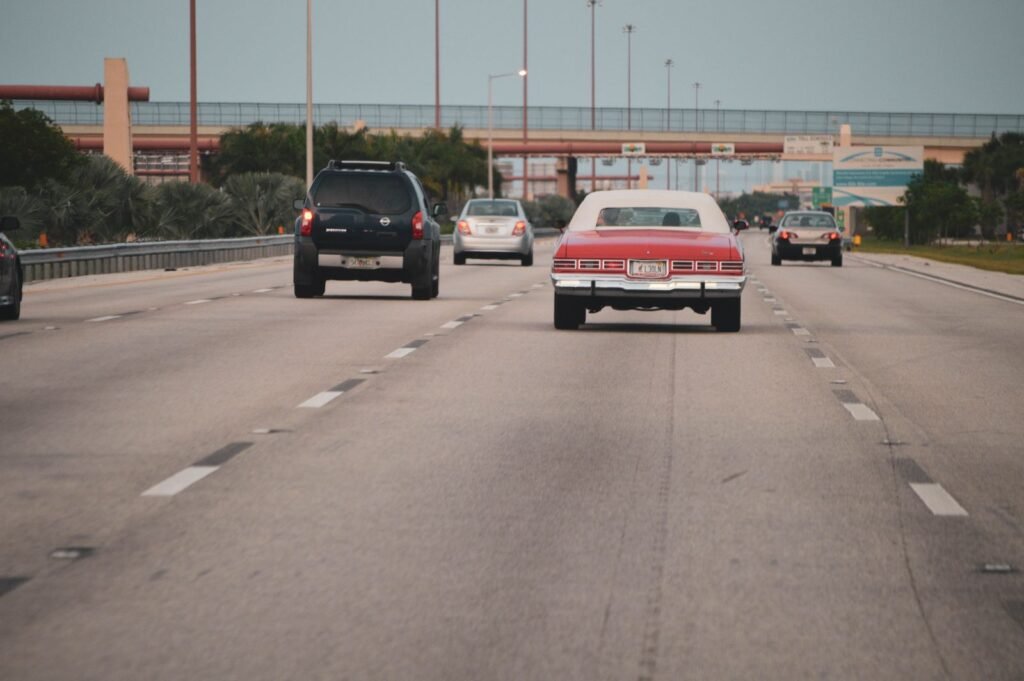
You press the gas pedal and your car barely moves. This guide will help you find the cause fast, stay safe, and decide the right next step. Will a simple check fix it, or is your car protecting itself from serious damage?
A car won’t accelerate when the engine cannot make power, when the power cannot reach the wheels, or when the computer limits power to prevent damage. Common causes are limp mode, a dirty throttle body, a faulty pedal sensor, a clogged converter, low fuel pressure, a dirty airflow sensor, worn spark plugs, and a slipping transmission. That helpless feeling is stressful, so note what the engine does when you press the pedal, then check the warning lights, the air filter, and the fuel level.
First, Work Out Which Situation You Have
Do not guess at a repair before you know the pattern. Three situations look similar from the driver seat, but they point to very different parts. Watch the rev counter, listen to the engine, and notice whether the car has a speed cap.
In the first situation, you press the pedal and almost nothing happens. The engine may idle normally, but it does not rev much. This often points to the pedal sensor, the throttle body, limp mode, or an engine control problem. In the second situation, the engine revs freely but the car barely gains speed. This often points to a slipping transmission or a worn clutch, so do not press the pedal harder, because that can add heat and wear.
In the third situation, the car moves but it will not go past a low speed. Many cars cap speed at about 30 to 40 mph in limp mode, a pattern reported by CarTreatments, and the car may feel sluggish even when you press the pedal fully. Write down whether the engine revs, whether a light is on, and whether the car has a speed cap. Now that you can name your situation, the table below will help you match it to the most likely cause.
Symptom, Likely Cause and First Check
Use this table as a quick map, not as a final diagnosis. A code scan at a shop can confirm the cause, but the first check in each row tells you where to look first.
| Symptom | Likely cause | First check |
|---|---|---|
| Pedal does almost nothing, engine stays near idle | Pedal sensor, throttle body, or limp mode | Warning lights and dash messages, then a code scan |
| Engine revs, car barely gains speed | Slipping transmission or worn clutch | Transmission fluid level and color where checkable |
| Car capped at low speed with a warning light | Limp mode after a sensor or system fault | Dash message, coolant temperature, and oil level |
| Weak power, worse on hills, rotten egg smell | Clogged catalytic converter | Check for rattling and get a code scan |
| Sputtering, stalling, or weak power under load | Low fuel pressure or clogged fuel filter | Fuel level and a fuel pressure test |
| Rough idle, hesitation, and poor power | Dirty mass airflow sensor or clogged air filter | Air filter condition and a sensor check |
If your symptom matches more than one row, start with the cheapest and safest check first. Check the lights, the air filter, and the fuel level before you agree to a costly part. The next sections explain each cause.
Limp Mode and Reduced Engine Power
Limp mode is a safety setting in the engine computer. When the computer sees a fault that could cause damage, it limits engine power and often limits speed, so you can move the car to a safe place instead of stopping in traffic. You may see a check engine light, a reduced engine power message, a wrench light, or a transmission warning. Common triggers include a throttle fault, a sensor fault, low transmission fluid, overheating, and low oil pressure.
Do not clear the code and forget it. A code scan reads the stored fault and points to the system at fault. Drive only at low speed to a nearby shop and watch the temperature gauge. If the car shakes badly or overheats, pull over and call for a tow. Next, we look at airflow control.
Throttle Body and Electronic Throttle Control
Modern cars do not use a cable from the pedal to the engine. The pedal sends an electronic signal, the computer reads it, and a motor in the throttle body opens a flap to let air into the engine. When that flap sticks, when carbon builds up around it, or when the motor or sensor inside it fails, the engine cannot get the air it needs to speed up. Signs include a dead pedal, a rough or high idle, stalling, hesitation, and a check engine light.
Ask a shop to inspect the throttle plate and test the sensor before you approve a replacement. Cleaning typically costs 100 to 200 dollars, while replacement typically costs 450 to 900 dollars, with the final cost varying by car and labor rates. Do not clean it yourself unless you know the correct method. Next, we cover the sensor at your foot.
Accelerator Pedal Position Sensor
The accelerator pedal position sensor tells the computer how far you have pressed the pedal. If the sensor sends a weak signal, a jumpy signal, or no signal at all, the computer may not open the throttle, or it may open it only a little. The pedal may feel normal under your foot, which makes this fault easy to miss. Signs include a dead pedal, power that comes and goes, and a check engine light with a pedal or throttle code.
Ask the shop to test the sensor signal while pressing the pedal slowly from idle to full travel. A smooth signal points away from the pedal, while a jump or a dead spot points straight to it. A pedal assembly typically costs 200 to 350 dollars. Do not keep driving with an intermittent pedal fault. Next, we look at a blocked exhaust part.
Clogged Catalytic Converter
The catalytic converter cleans exhaust gases before they leave the car. When it becomes clogged with carbon, melted material, or debris from a misfire, exhaust cannot flow out freely. The engine then struggles to breathe, power drops, and the car may feel as if it is pulling a heavy load, especially on hills. Signs include weak acceleration, a rotten egg smell, rattling, a hot converter, and a check engine light.
Do not use a fuel additive as a cure for a badly clogged converter. A shop can test exhaust back pressure to confirm a blockage. A catalytic converter typically costs 800 to 2500 dollars. If you want a fuller list of warning signs, read our guide on how to tell if your catalytic converter is bad. After the exhaust, the next section turns to fuel supply.
Failing Fuel Pump and Clogged Fuel Filter
The engine needs fuel at the right pressure and in the right amount. A weak fuel pump, a clogged fuel filter, or a faulty fuel pump relay can starve the engine, especially when you ask for more power. The car may start and idle, but it sputters, hesitates, or loses power when you press the pedal or climb a hill. Signs include long cranking, sputtering under load, stalling, a whining sound from the fuel tank area, and a check engine light.
Check the fuel level first, and think about your last fill. If the problem started right after a fill, tell the shop. A fuel filter part typically costs 15 to 50 dollars, a fuel pump typically costs 300 to 1400 dollars, and a relay costs about 25 dollars. Do not drive far with a failing pump. Next, we cover air supply.
Dirty Mass Airflow Sensor and Clogged Air Filter
The mass airflow sensor measures how much air enters the engine, and the computer uses that reading to add the right amount of fuel. When the sensor gets dirty, it can send a low or unstable reading, so the engine gets too little fuel and feels weak. A clogged air filter has a similar effect, because it blocks the air itself. Signs include hesitation, a rough idle, poor acceleration, and stalling.
Open the air filter box and look at the filter in daylight. If you cannot see light through it, replace it. It is one of the cheapest checks in this guide. A dirty sensor can often be cleaned with the correct cleaner, but a damaged sensor needs replacement. Next, we check the parts that light the fuel and air mix.
Worn Spark Plugs
Spark plugs light the fuel and air mix in each cylinder. When plugs wear out, the spark gets weak, the engine misfires, and power drops. The car may shake at idle, hesitate when you press the pedal, use more fuel, and trigger a check engine light. One bad plug can affect one cylinder, while a full set of worn plugs can make the whole engine feel tired.
Ask the shop to read the misfire codes and inspect the plugs for wear, oil, or carbon buildup. A flashing light is more urgent than a steady light, because a severe misfire can damage the converter. Spark plugs typically cost 100 to 250 dollars for a 4 cylinder car. Do not keep driving with a flashing light. Next, we explain the revving pattern.
Slipping Transmission or Clutch
When the engine revs but the car does not gain speed, the problem is often between the engine and the wheels. In an automatic car, worn clutch packs, low fluid, or low fluid pressure can let the transmission slip. In a manual car, a worn clutch disc can slip in the same way, especially in a high gear. Signs include engine speed rising without road speed rising, a delay, a burning smell, and harsh shifting.
Check the transmission fluid only if your car has a dipstick and the manual allows an owner check. Note the level, color, and smell for the shop. Slipping creates heat, and heat can damage the transmission further, so act early. Read our guide on transmission slipping. Next, we give you a safe order for your own checks.
What to Check Yourself Safely, in Order
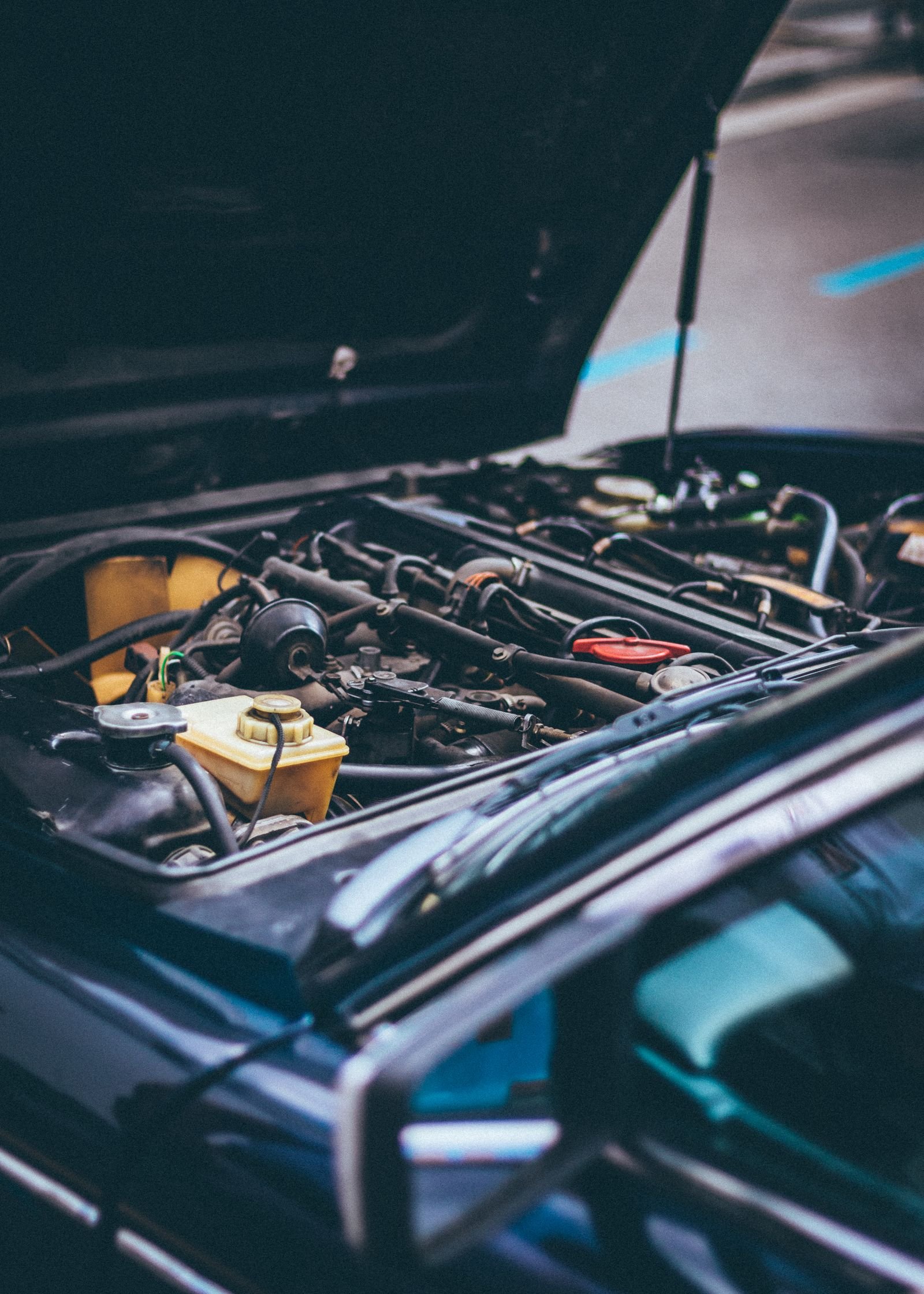
Work through these checks in order, and stop at any step that feels unsafe. First, look at the dash. Note every warning light, any reduced power message, and the coolant temperature. A high temperature or a low oil pressure warning means stop and call for help, not a test drive. Second, check the fuel level.
Third, check the air filter and replace a clogged filter, then check the oil level and the coolant level only when the engine is cold. Fourth, check the transmission fluid only where your manual allows it. Look under the car for leaks, but do not crawl under a car supported only by a jack. Finally, restart once, press the pedal gently in park or neutral, and write down what you found. Next, we help you decide whether to tow or to drive carefully.
When to Pull Over and Tow, and When to Drive Carefully to a Shop
Pull over as soon as it is safe if you have a flashing check engine light, a high coolant temperature, a low oil pressure warning, smoke, a strong fuel smell, a loud knocking sound, or a car that stalls in traffic. Turn on the hazard lights, move to the shoulder or a side street, turn the engine off, and call for a tow. Do not try to force the car home, because the next failure can happen in a worse place.
Drive carefully to a nearby shop only if the car moves steadily at low speed, the temperature is normal, there is no smoke or fuel smell, and no warning light is flashing. Keep your speed low, avoid highways, and keep the revs low. If you are on a highway, use the nearest exit, stay inside the car if traffic is fast, and call for help. Next, we put the typical costs side by side.
Repair Costs, as National Averages That Vary by Car
Repair costs vary by car, engine, part quality, and local labor rates, so use these figures as a planning guide, not as a quote. Ask for a written estimate that lists the part, the labor, and the diagnostic fee. Throttle body cleaning typically costs 100 to 200 dollars, replacement typically costs 450 to 900 dollars, a pedal assembly typically costs 200 to 350 dollars, a converter typically costs 800 to 2500 dollars, a fuel pump typically costs 300 to 1400 dollars, a relay costs about 25 dollars, a fuel filter part typically costs 15 to 50 dollars, and spark plugs typically cost 100 to 250 dollars for a 4 cylinder car.
Ask the shop what the diagnostic fee covers and whether the part is new, rebuilt, or aftermarket. A low quote that leaves out the fee or uses a poor quality part can cost more later. For a wider view, read our guide on fuel system problems in a car. The final section answers the questions drivers ask most often.
Questions and Answers
Why does my car not accelerate when I press the gas pedal?
Your car may be in limp mode, or it may have a fault in the throttle body, pedal sensor, fuel supply, air supply, spark plugs, catalytic converter, or transmission. Note whether the engine revs, whether a warning light is on, and whether the car has a speed cap, then get a code scan to find the system at fault.
Can I drive my car if it will not accelerate properly?
Drive only a short distance at low speed to a nearby shop if the temperature and oil pressure are normal, there is no smoke or fuel smell, and no warning light is flashing. Pull over and call for a tow if the car stalls, shakes badly, overheats, or shows a flashing check engine light.
What does limp mode mean for acceleration?
Limp mode means the computer has limited engine power to prevent damage after it detected a fault. Many cars cap speed at about 30 to 40 mph in limp mode. Drive only to a safe place or a nearby shop, keep the revs low, and get a code scan to find the cause.
How much does it cost to fix a car that will not accelerate?
The cost depends on the cause. Throttle body cleaning typically costs 100 to 200 dollars, a pedal assembly typically costs 200 to 350 dollars, a fuel pump typically costs 300 to 1400 dollars, and a catalytic converter typically costs 800 to 2500 dollars, with final costs varying by car and labor rates. A code scan and a written estimate will give you a firm figure for your car.