
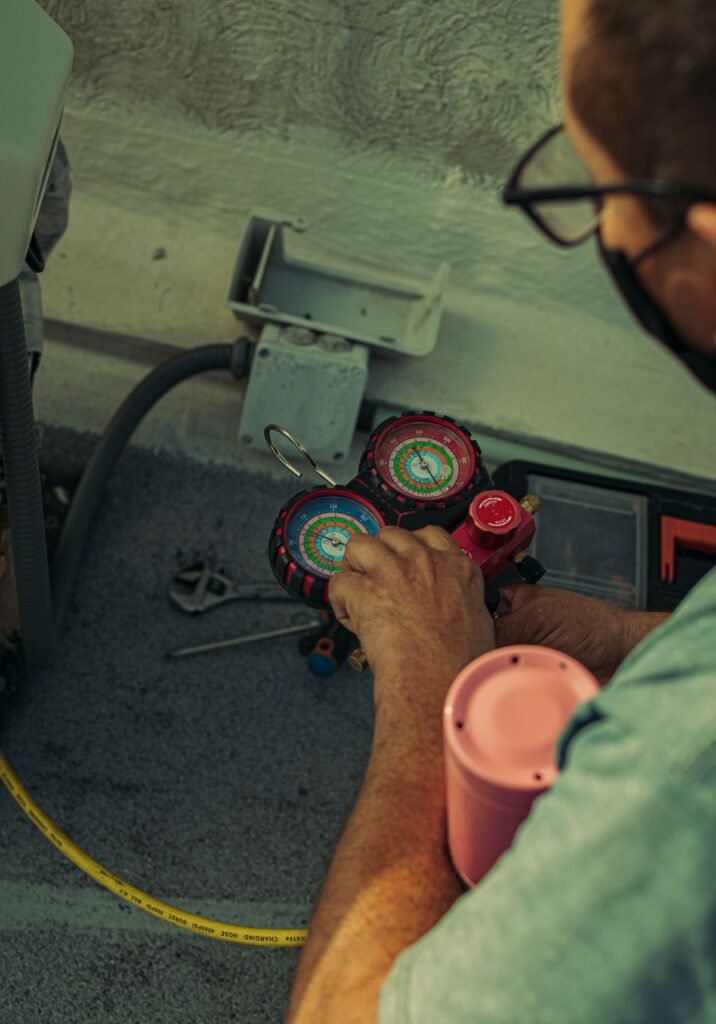
If your car air conditioning blows warm or only slightly cool air, a low refrigerant charge is one of the most common reasons, and many drivers can top it up at home in about 30 minutes. The refrigerant most people call freon for car systems costs about $30 to $60 in a do it yourself kit with a gauge and hose, while a professional recharge service usually runs $150 to $300. The key is knowing which refrigerant your car uses and never overfilling the system.
What refrigerant does your car use
Freon is a brand name that became the everyday word for refrigerant. Cars built before the mid 1990s used R12, which is no longer sold to the public. Most cars from the mid 1990s until roughly 2015 use R134a, the most common do it yourself option. Many newer cars use R1234yf, which is more expensive and needs its own specific fittings and equipment.
The two common types must never be mixed. Check the sticker under the hood, usually on the radiator support or the underside of the hood itself. It names the refrigerant and the exact charge amount in grams or ounces. That sticker, not guesswork, decides what you buy.
| Refrigerant | Typical cars | DIY kit cost |
|---|---|---|
| R134a | Mid 1990s to about 2015 | $30 to $60 |
| R1234yf | Many models from about 2015 onward | $60 to $120, often shop only |
| R12 | Before the mid 1990s | Specialist service only |
Before you recharge: rule out other causes
Refrigerant does not get used up like fuel. If the level is low, there is a leak somewhere, even if it is a slow one. A recharge on a leaking system buys you a few weeks or months of cold air, not a permanent fix. Also check the simple things first: a clogged cabin air filter, a broken cooling fan, or a failing blower can all mimic low refrigerant. If the air coming out is weak rather than warm, read our blower motor symptoms and replacement guide, and if the system blows warm on one side only, our guide on AC not blowing cold air, its causes and fixes covers the full checklist.
What a car AC recharge kit includes
- A can of refrigerant, sometimes with leak sealer or dye added
- A reusable hose with a pressure gauge
- A quick connect fitting that only attaches to the low pressure service port
Kits with a proper gauge matter, because pressure is how you know when to stop. Plain cans without gauges invite overcharging.
How to recharge AC in car systems, step by step
- Park outside, engine running, air conditioning set to maximum cold, fan on high, and recirculation on.
- Let it run for 3 to 5 minutes so pressures settle.
- Find the low pressure service port. It sits on the larger diameter aluminum line, usually near the firewall or fender, and has a cap marked L. The kit fitting only fits this port, which is a built in safety feature.
- Shake the can, attach the hose, and read the gauge with the compressor clutch engaged. The gauge instructions give a target range based on outside temperature.
- Add refrigerant in short bursts of 5 to 10 seconds, rocking the can gently, then wait and recheck the gauge.
- Stop when the needle sits in the target range and the vent air feels properly cold, around 40 to 50 degrees Fahrenheit at the center vent on a warm day.
- Remove the hose, refit the port cap, and enjoy the cold air.
Safety warnings
Refrigerant can cause frostbite on skin and serious eye injury. Wear gloves and eye protection, and never let the can tip fully upside down while charging, because liquid refrigerant can damage the compressor. Never connect anything to the high pressure port, never open the system to the air, and never release refrigerant deliberately. If you are unsure at any point, a professional service is money well spent, because shops recover, vacuum, and weigh the charge exactly, and they can find leaks properly.
DIY versus professional cost
Prices vary by car model and region. A DIY recharge with a gauge kit costs $30 to $60 and suits a system that is simply a little low. A professional service, typically $150 to $300, adds a full vacuum, an exact weighed charge, and a leak check, and it is the right choice for R1234yf cars, systems that went completely empty, or air that keeps going warm within weeks.
How to spot a leak after recharging
If the air stays cold for months, your system was probably just a little low after years of tiny losses through seals and hoses, which is normal with age. If it fades within weeks, the leak is active and topping up again only wastes money. Many recharge kits include ultraviolet dye, and a cheap UV torch will make leak points glow bright green or yellow around hose joints, the compressor shaft seal, and the condenser at the front of the car, which takes stone damage from the road. Oily residue around a fitting is another classic clue, because refrigerant oil escapes with the gas and collects dirt. Finding the leak lets a shop quote the real repair, often a hose, seal, or condenser, instead of endless recharges.
Frequently asked questions
How often should car AC be recharged
There is no set interval. A sealed system in good health can hold its charge for many years. If you need a top up every season, there is a leak that deserves repair rather than another can.
Can I overcharge my car AC
Yes, and it is a common mistake. Too much refrigerant raises pressures, makes cooling worse, and can damage the compressor. Add slowly, trust the gauge, and stop at the bottom of the target range if you are unsure.
Is it normal for the gauge needle to move
Yes. The needle rises and falls as the compressor clutch cycles on and off. Always read the pressure while the clutch is engaged and the engine is running.
A careful recharge is one of the most satisfying small jobs in car care: half an hour, one kit, and cold air again. Respect the pressures, use the right refrigerant, and chase down leaks when top ups become a habit.