
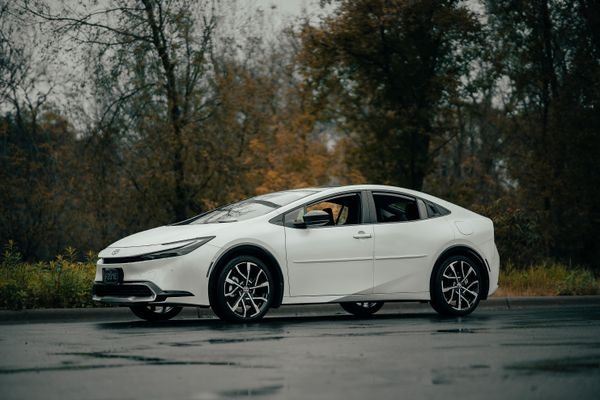
A hybrid battery quote can feel like a second car payment, but most of the shock comes from not knowing the options. The short answer: replacing a hybrid car battery typically costs between $2,000 and $4,000 for a popular full hybrid at an independent shop, while dealer installed new packs run $3,000 to $5,500 or more depending on the model. Refurbished packs start around $1,000 to $2,000, and cell level repairs can dip to $600 to $1,200 for older cars. Your car almost always stays worth fixing, because even the expensive option costs far less than replacing the vehicle.
The hybrid battery is the large traction battery that powers the electric motor, and it is completely different from the small 12 volt battery under the hood. It is a high voltage pack made of dozens of individual cells or modules, with its own cooling fan and control electronics. When cells age unevenly, the pack loses capacity and the car throws a check hybrid system warning. That is the moment the cost question becomes real, and the answer depends on three choices: new or refurbished, dealer or independent shop, and whether your warranty is still alive.
What a hybrid battery replacement actually includes
A proper replacement is more than a part swap. The shop removes the high voltage pack, which on most cars sits under the rear seat or in the trunk, installs the replacement pack, reconnects the high voltage service plug, verifies the cooling fan and ducts are clean and working, and runs a system reset and road test. On some models the pack weighs over 100 pounds and the job needs two technicians, which is part of why labor runs $500 to $800 at independents and more at dealers.
- Replacement battery pack, new, remanufactured, or refurbished
- High voltage safety disconnect and reconnect procedure
- Cooling fan inspection, cleaning, or replacement
- System reset, calibration, and road test
- Labor, typically 2 to 4 hours depending on pack location
Your action: get the diagnostic code read before pricing anything. A check hybrid system light can be triggered by a failed cooling fan, a corroded connection, or a single weak module, and those cost far less than a full pack. If you are new to the technology, our guide on what is a hybrid car explains how the battery, motor, and engine work together, so you can talk to the shop with confidence.
Average costs at a glance
The table below reflects current United States pricing. The same car can produce wildly different quotes, so always compare the battery type being quoted, not just the total.
| Option | Typical installed cost | Best for |
|---|---|---|
| Cell level repair, 1 or 2 modules replaced | $600 to $1,200 | Older high mileage cars you plan to sell soon |
| Refurbished pack, independent shop | $1,000 to $2,000 | Budget fix on a car worth keeping a few more years |
| New aftermarket pack | $1,800 to $3,000 | Strong value with a fresh pack warranty |
| Remanufactured pack, hybrid specialist | $1,500 to $2,500 | The sweet spot for most drivers |
| New OEM pack, dealer installed | $3,000 to $5,500 plus | Newer cars you plan to keep a decade |
| Plug in hybrid, larger pack | $2,900 to $5,500 plus | PHEVs carry 12 to 20 kWh packs, far bigger than standard hybrids |
Check your warranty before you pay a dollar
This is the step most owners skip, and it is the one that can erase the entire bill. Federal rules require hybrid battery coverage for 8 years or 100,000 miles, and several states extend that to 10 years or 150,000 miles. If your car is anywhere near those limits, call the dealer with your VIN and ask for a warranty check before authorizing any paid work. A pack that fails at 95,000 miles is a warranty claim, not a repair bill.
Your action: check the in service date, not just the model year. Warranty runs from the date the car was first sold, which can be a year later than the model year suggests. If you bought the car used, the warranty still follows the car. Get the dealer’s answer in writing, because a verbal no from a service advisor is not the same as a denied claim.
The three price tiers, and which one to pick
Tier one: dealer installed new pack
The dealer installs a factory fresh pack with full manufacturer backing. For a common model like a Toyota Camry Hybrid, expect $3,000 to $4,500 all in. Pick this tier when the car is newer, when you plan to keep it for many more years, or when resale value matters, because a dealer receipt with an OEM pack is the strongest proof of repair a future buyer can see.
Tier two: independent specialist with a remanufactured pack
Hybrid specialty shops tear down old packs, replace the weak cells, rebalance the rest, and install the rebuilt unit for $1,500 to $2,500, usually with a 3 year or 36,000 mile warranty. This is the value choice for most drivers. Your action: ask the shop how many cells they replace versus reuse, what their warranty covers, and whether the price includes the cooling fan service. A reputable specialist answers all three without hesitation.
Tier three: cell level repair
Some shops replace only the one or two failed modules for $600 to $1,200. This is a bandage fix, because the remaining original cells are just as old as the ones that failed, and another cell often fails within 6 to 12 months. Use this tier only when the car itself is worth little and you need a year or less of extra life. If a shop pushes this as a permanent fix on a car you plan to keep, walk away.
Signs your hybrid battery is dying
Catch the decline early and you get to choose your tier and your shop; wait for a dead pack and you pay tow truck prices on top. The classic signs are the check hybrid system warning, a noticeable drop in fuel economy, the battery charge gauge swinging wildly from full to empty, the engine running far more often than it used to, and reduced power on hills. A pack rarely dies overnight, so these symptoms usually build over weeks or months.
Your action: when fuel economy drops more than 15 percent with no change in your driving, get the hybrid system scanned. That scan costs little and tells you whether you are looking at a dying pack, a clogged cooling fan, or a single weak module. For the bigger picture on how long traction batteries really last, read our article on how long EV batteries last and what actually wears them out.
How to make the replacement last
Heat is the enemy of hybrid batteries, and the cooling fan is their lifeline. Keep the battery cooling intake, usually a vent on the rear seat or in the trunk area, clear of blankets, bags, and pet hair. In hot climates, park in shade when you can and do not let the car bake for days with a full heat soaked interior. Drive the car regularly, because packs that sit for months degrade faster than packs in daily use.
Your action: ask for the cooling fan to be cleaned or replaced with the new pack. A surprising number of hybrid battery failures trace back to a dead $100 fan cooking a $3,000 pack. If your shop quotes the pack without mentioning the fan, bring it up yourself.
What to avoid
Avoid the cheapest unbranded packs sold online with no installer warranty, because a hybrid pack is a high voltage component and a bad one is a safety problem, not just a money problem. Avoid paying for a full pack before the shop has ruled out the cooling fan and the 12 volt auxiliary battery, since a weak 12 volt battery causes strange hybrid warnings on many models. And avoid the sunk cost trap in reverse: on a car worth $4,000, a $4,500 dealer pack makes no sense, but a $1,500 remanufactured pack that buys three more years often does.
Frequently asked questions
How long do hybrid batteries last
Most last 8 to 15 years or around 150,000 miles, with Toyota and Honda systems known for reaching the upper end. Extreme heat, long periods parked, and a clogged cooling fan shorten life. If your pack failed unusually early, check the warranty first, because premature failure is exactly what the coverage exists for.
Can I drive with a failing hybrid battery
Usually yes for a while, because the gasoline engine keeps the car moving, but fuel economy tanks and the car may enter a reduced power limp mode. Do not ignore it for months: a struggling pack stresses the engine and the electronics, and a dead pack can leave you needing a tow. Get the diagnostic scan early so you control the timing.
Is it worth replacing the battery on an old hybrid
Compare the repair cost to the car’s value and to the cost of replacing the car. A $1,500 to $2,500 remanufactured pack on a reliable older Prius or Camry Hybrid that buys three more years is usually smart math, since the alternative is car payments, higher insurance, and registration on a replacement vehicle. A $4,500 dealer pack on a car worth $3,000 is not.
The hybrid battery bill rewards the driver who shops the tiers instead of accepting the first quote. Check the warranty first, price the remanufactured option at a hybrid specialist against the dealer quote, insist on cooling fan service with the job, and match the tier to how long you plan to keep the car. Done right, it is a repair you do once and forget about for the better part of a decade.