
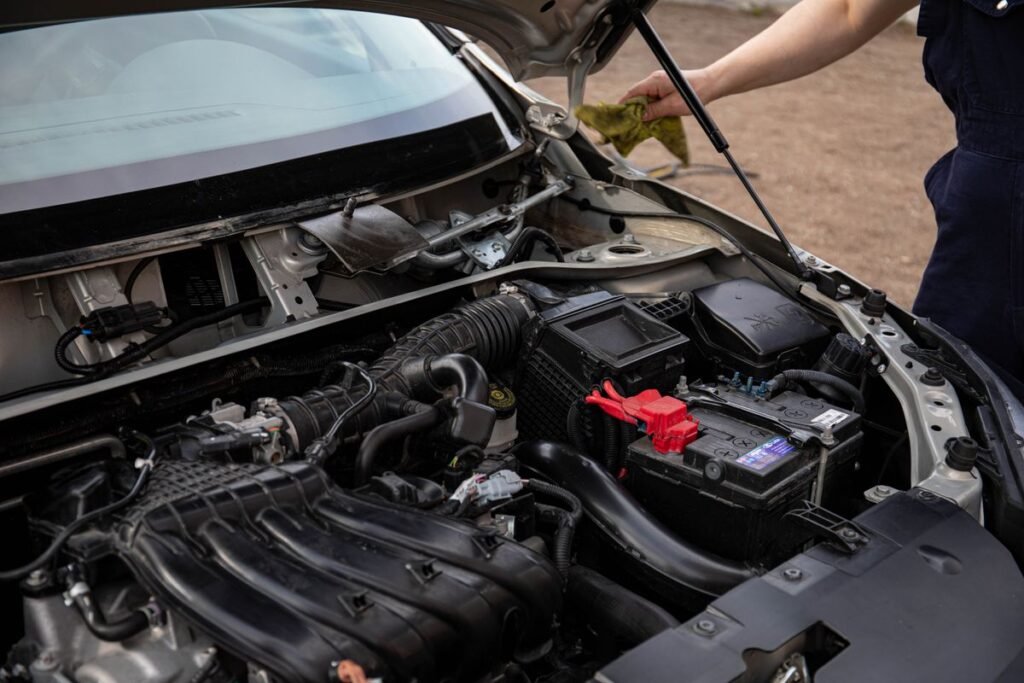
For most cars, a timing belt replacement costs between 500 and 1,100 dollars all in at an independent shop. The belt itself is a cheap part, often under 60 dollars. What you are paying for is labor: the mechanic has to strip the front of the engine to reach it, a job that takes three to six hours on many cars. Because so much of the cost is taking the engine apart and putting it back together, most owners also replace the water pump and the tensioner pulleys at the same time, which pushes a typical bill to around 700 to 1,200 dollars but saves paying that labor twice. Small economy cars sit at the cheap end, V6 engines and premium brands sit well above it, and dealer prices can reach 1,500 dollars or more.
Where the money actually goes
| Item | Typical cost |
|---|---|
| Timing belt alone | 30 to 80 dollars |
| Timing belt kit with tensioner and idler pulleys | 120 to 300 dollars |
| Water pump, added while the engine is open | 80 to 250 dollars |
| Labor, three to six hours | 300 to 800 dollars |
| Fresh coolant and small seals | 40 to 100 dollars |
| Total, belt kit and water pump, most cars | 700 to 1,200 dollars |
Notice how little of that is the belt. This is also why quotes vary so much between cars: on a small four cylinder engine with room to work, the job can be done in an afternoon. On a V6 squeezed sideways into a tight engine bay, half the surrounding parts come off first, and the labor line grows. When you compare quotes, ask each shop the same question: does this price include the full kit and the water pump? A cheap quote that covers only the belt is not cheaper once the rest is added.
Replace these parts at the same time
A timing belt never works alone. It runs around a tensioner and one or more idler pulleys, and on many engines it also drives the water pump. Every one of those parts has bearings that wear, and they have all done exactly the same miles as the belt. Fitting a new belt against a tired tensioner is a false economy: if that tensioner seizes a year later, the new belt can jump or shred, and you pay the full labor bill again to reach it.
The water pump deserves special mention. It sits behind the belt on many designs, so changing it later means repeating the whole strip down. A pump that is already weeping coolant is a warning sign you can see, and small coolant loss also shows up as odd temperature behavior. If your gauge has been wandering, our guide to the engine coolant temperature sensor and its failure signs explains one cheap part that can mislead you. Camshaft and crankshaft oil seals are also cheap while access is open, and a good shop will suggest them.
Belt or chain: which does your car have?
Plenty of modern engines use a timing chain instead of a belt, and chains are designed to last the life of the engine with no scheduled replacement. If your car has a chain, there is no belt bill to budget for, though chains can stretch and rattle on high mileage engines. Check the manual or ask a shop before worrying: the two systems look similar in a parts catalogue but are serviced very differently. Do not confuse the timing belt with the drive belt on the outside of the engine, either. That outer belt runs the alternator and air conditioning, lives in plain sight, and is a far cheaper job, as our guide to serpentine belt replacement cost shows.
When the belt is due
Makers set the interval, and it varies: 60,000 to 100,000 miles covers most belt driven engines, with a time limit of five to seven years alongside it. The time limit matters for low mileage cars, because rubber ages and cracks whether the wheel turns or not. A ten year old car with 45,000 miles on its original belt is overdue on age alone. History matters more than hope: if you bought the car used and there is no sticker under the hood and no invoice in the file, budget for the job. A belt gives no reliable warning before it fails; there is no squeak or light that says it has a thousand miles left.
What happens if it snaps
This is why the bill, annoying as it is, beats the alternative. On an interference engine, which is most modern designs, the pistons and valves share the same space at different moments. When the belt breaks, that timing is lost, pistons strike valves, and the repair becomes bent valves, a rebuilt cylinder head, and a bill of 1,500 to 3,500 dollars, sometimes more than the car is worth. On the less common non interference designs the engine simply stops and a new belt restores it. You rarely get to choose which type you own, so find out, and treat the interval as a hard deadline if yours is an interference engine.
Keeping the bill sensible
Get two or three quotes, from a dealer, an independent shop, and ideally a shop that specializes in your brand. Ask for the kit price and the water pump to be included so you compare like with like. Ask for the old parts back; a shop that hands you a worn tensioner and a cracked belt has shown its work. Finally, write the date and mileage of the change on a sticker under the hood and keep the invoice. The next owner, who may be you in five years, will thank you when the question comes up again.
Frequently asked questions
How long does a timing belt replacement take?
Most jobs take three to six hours of workshop time, so the car is usually away for a full day by the time parts, coolant refill and testing are included.
Can I change a timing belt myself?
Only if you are an experienced home mechanic with the locking tools for your engine. One tooth out on reassembly can bend valves on an interference engine, turning a saving into the most expensive lesson in car ownership.
Does a new timing belt improve how the car runs?
Not noticeably, and that is normal. The belt is preventive maintenance: the reward is the absence of a breakdown, not a faster or smoother car.