
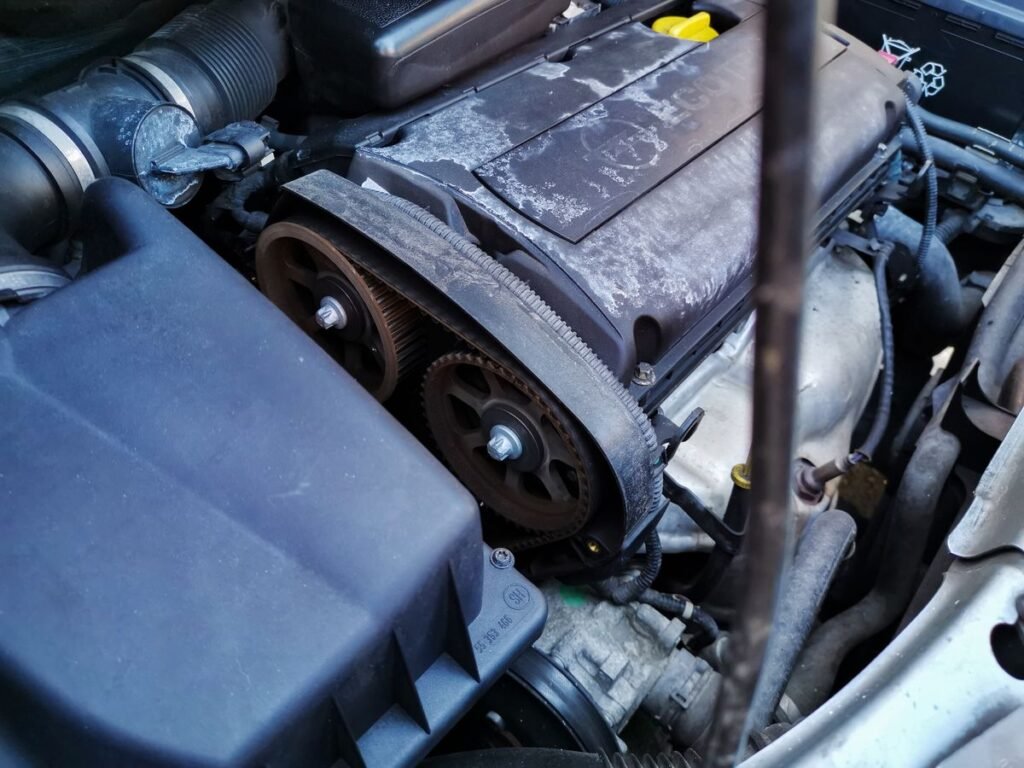
The average serpentine belt replacement cost is between $110 and $260 at a repair shop, including parts and labor. The belt itself is cheap, usually $25 to $75, but labor makes up most of the bill. If the belt tensioner or a pulley also needs replacing, the total can rise to $300 to $500, and prices vary by car model and region.
The serpentine belt is the long rubber belt at the front of your engine. It snakes around several pulleys and drives the alternator, the power steering pump, the air conditioning compressor, and in many cars the water pump. Because so many parts depend on it, a worn belt is not something to ignore. This guide explains what you will pay, what affects the price, and how to spot a belt that is about to fail.
What does the serpentine belt actually do?
Older cars used several separate belts, but most modern engines use one single serpentine belt for everything. As the engine runs, the crankshaft pulley turns the belt, and the belt turns every accessory pulley with it. That one belt keeps your battery charging, your steering light, your cabin cool, and your engine at a safe temperature.
This also means one failure can stop several systems at once. If the belt snaps, the alternator stops charging, the power steering can go heavy within seconds, and if your water pump is belt driven, the engine can overheat quickly. That is why mechanics treat a cracked or squealing belt as an urgent job rather than a small one.
Serpentine belt replacement cost breakdown
Here is a realistic picture of what drivers in the United States pay. Your quote will depend on your car, your area, and whether extra parts are worn.
| Job | Typical cost | What is included |
|---|---|---|
| Belt only, fitted at a shop | $110 to $260 | New belt and 30 to 60 minutes of labor |
| Belt only, do it yourself | $25 to $75 | The belt itself, no labor charge |
| Belt plus tensioner | $250 to $450 | New belt, new tensioner, labor |
| Belt plus tensioner and idler pulleys | $300 to $550 | Full belt drive refresh, parts and labor |
| Dealer price for belt only | $180 to $350 | Genuine brand belt and dealer labor rates |
Labor rates explain most of the difference between quotes. Independent shops often charge $80 to $130 per hour, while dealerships can charge $150 to $220 per hour. On most cars the belt is easy to reach and the job takes under an hour. On compact cars with tight engine bays, or engines where covers and mounts must come off first, labor time can double.
What makes the price go up or down?
- Your car model. Common family cars use cheap, easy to fit belts. European and luxury models often need more labor and pricier parts.
- The tensioner. A weak tensioner lets the new belt slip and wear out fast, so shops often recommend changing it at the same time.
- Extra pulleys. A noisy idler pulley found during the job adds parts cost but saves a second labor bill later.
- Where you live. Labor in large cities usually costs more than in small towns.
- Damage from a snapped belt. If the old belt broke and tangled around pulleys, cleanup and checks add time.
Signs your serpentine belt needs replacing
Belts rarely fail without warning. Watch and listen for these signs:
- Squealing or chirping from the engine bay, especially on cold starts or when you turn the steering wheel
- Cracks, fraying, glazing, or chunks missing on the ribbed side of the belt
- Power steering that feels heavy at low speed
- The air conditioning blowing warm because the compressor is not turning properly
- The battery warning light coming on while driving
- An engine that starts to overheat when the water pump is belt driven
One warning: a battery light or charging problem is not always the belt. A slipping belt and a failing alternator can feel very similar, so read up on the common symptoms of a bad alternator before you pay for parts you may not need. A good shop will check belt tension and alternator output before quoting you.
Safety warning: what happens if the belt snaps
If the belt breaks while you are driving, pull over somewhere safe as soon as you can and switch the engine off. The steering will become very heavy, the battery will stop charging, and on many cars the temperature gauge will climb fast because the water pump has stopped. Driving on, even for a few miles, can overheat the engine and turn a $150 belt job into a repair bill in the thousands. Call for a tow if the temperature rises or the steering feels unsafe.
Can you replace a serpentine belt yourself?
On many cars, yes. The job needs a wrench or ratchet to move the spring loaded tensioner, and there is a routing diagram sticker under the hood or in the manual. Take a photo of the old belt routing before you remove it, because fitting the new belt in the wrong order is the most common beginner mistake. Allow 30 to 60 minutes for a first attempt.
Leave it to a shop if the belt sits deep in a crowded engine bay, if the tensioner needs special tools, or if you cannot confirm which part is making the noise. Paying for an hour of labor is cheaper than damaging a pulley with the wrong tool. While you are comparing maintenance bills, it is also worth knowing the typical brake pad replacement cost, since belts and brakes are often quoted together during a service visit.
How long should a serpentine belt last?
Most modern belts are made from EPDM rubber and last 60,000 to 100,000 miles, or roughly 5 to 7 years. Unlike older belts, they often do not crack visibly as they age. Instead the ribs wear down like tire tread, which is why mechanics check them with a small wear gauge. If your car is past 90,000 miles on the original belt, replacing it on schedule is cheap insurance.
Frequently asked questions
How much does serpentine belt replacement cost on average?
Most drivers pay $110 to $260 for a belt fitted at an independent shop, including the belt and labor. Adding a tensioner brings the total to roughly $250 to $450. Remember that prices vary by car model and region, so get two quotes if the first one sounds high.
Can I drive with a squealing serpentine belt?
A short trip is usually fine, but do not ignore it for weeks. Squealing means the belt is slipping or worn, and a belt that slips today can snap next week. Book the repair soon, and stop driving immediately if the battery light comes on or the temperature gauge climbs.
Should I replace the tensioner with the belt?
If your car has more than 80,000 miles, it is usually smart. The tensioner spring weakens over time, and a weak tensioner will ruin a new belt early. Changing both together costs less than paying labor twice.
A serpentine belt is one of the cheapest parts under your hood, but it holds the whole engine together. Replacing it on time, and checking the tensioner while you are there, is one of the simplest ways to avoid a breakdown and a tow truck bill.