
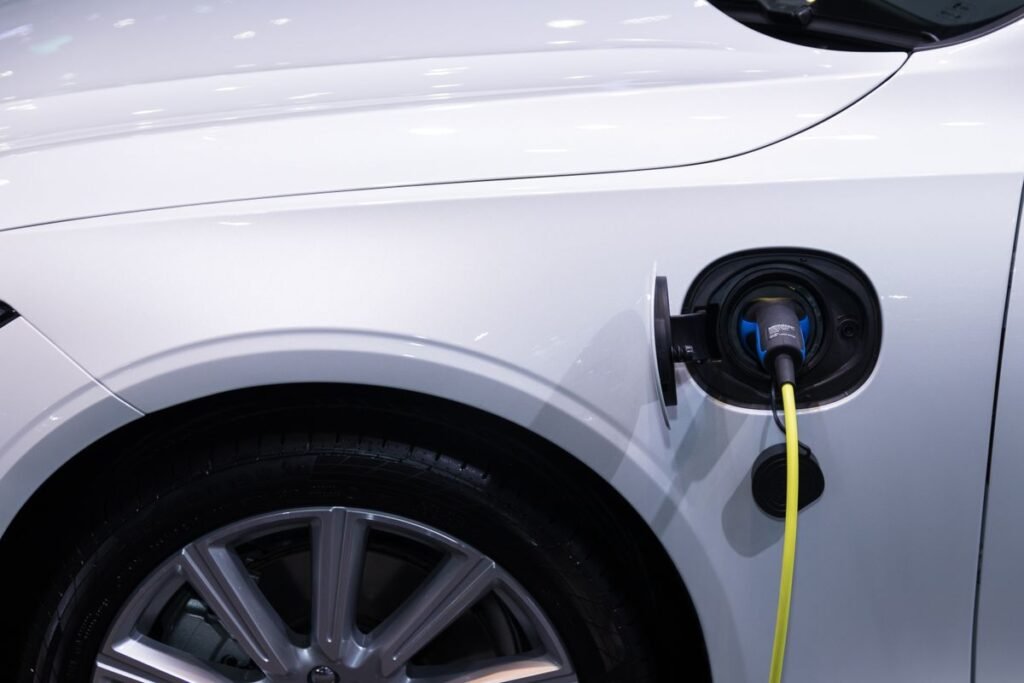
Most electric car batteries last far longer than people fear. A modern EV battery pack is generally expected to serve 10 to 20 years and cover 150,000 to 300,000 miles or more before its shrinking range makes the car hard to live with, and almost every EV sold today carries a battery warranty of at least 8 years or 100,000 miles. The pack does not normally die suddenly like a small 12 volt battery. It slowly loses capacity year by year, so the car simply travels a little less far on each charge as it ages.
What battery lifespan actually means
Two different things get mixed up in this topic. The first is degradation, the slow loss of capacity. A car that started life with 300 miles of range might offer around 270 miles after several years and perhaps 240 miles much later in life. It still drives, charges and behaves normally, just over a shorter distance. The second is outright failure, where a cell or module stops working and the car warns you or refuses to charge properly. Genuine failures happen, but they are the exception, and they are what the warranty is there for.
Think of it like a fuel tank that very slowly gets a little smaller each year. For drivers whose daily use is 30 to 50 miles, even a well used EV with noticeable degradation still covers the day with ease, which is why most owners will sell or trade the car for other reasons long before the battery becomes the problem.
The warranty tells you what the maker expects
Manufacturers do not offer long warranties on parts they expect to fail early. In the United States, EV battery warranties of 8 years or 100,000 miles are the standard minimum, and several brands offer longer cover or higher mileage limits. These warranties usually promise the pack will keep at least about 70 percent of its original capacity during the cover period, and if it falls below that line the maker repairs or replaces it. When you shop for a used EV, the remaining battery warranty is one of the most valuable things to check, along with a battery health report where the car can provide one.
Hybrid batteries offer a useful comparison. A hybrid pack is much smaller and works harder per mile, cycling constantly as the car drives, yet those packs routinely last the life of the car. If you are still comparing the two types of car, our explainer on what a hybrid car is covers how the smaller hybrid system works alongside a petrol engine.
What wears an EV battery out faster
- Heat. High temperatures are the single biggest enemy of battery life. Cars that live in very hot climates and park in full sun degrade faster than cars in mild weather.
- Frequent rapid charging. Using high power chargers every day pushes heat and stress into the pack. Occasional use on long trips is fine, daily use as your only charging method is harder on the battery.
- Sitting at extremes. Leaving the car at 100 percent charge for days, or storing it nearly empty, ages the cells faster than living in the middle range.
- Very high mileage. Cycles add up. A taxi or delivery car that charges twice a day will reach high cycle counts years before a normal commuter car.
- Old technology. Early EVs with small packs and no active cooling age noticeably faster than modern cars with liquid cooled packs and careful software management.
Habits that help a battery last
- Charge in the middle range for daily use. Keeping the battery between about 20 and 80 percent for everyday driving, and charging to full only before a long trip, is the single easiest habit for long life. Follow the guidance in your car manual, since a few pack types actually prefer regular full charges.
- Use home or workplace alternating current charging as your routine method, and save rapid charging for journeys.
- Park in shade or a garage in hot weather, and let the car stay plugged in during heat waves if the maker recommends it, so the cooling system can look after the pack.
- Keep software up to date. Makers regularly improve battery management with updates.
- Drive smoothly. Gentle acceleration and braking are kinder to every part of the car, the battery included.
Rapid charging deserves a balanced word. It will not ruin a modern battery, and on road trips it is exactly what the car is built for. The stress is real but modest, and it mainly matters when it becomes an everyday habit. If you want to understand charging speeds and connector types before planning around them, our DC fast charger guide explains how rapid charging works and when to use it.
Signs an EV battery needs attention
- A sudden drop in range over days or weeks, rather than a slow drift over years.
- The car refusing to charge, stopping charges early, or charging far slower than it used to.
- Warning messages about the battery or propulsion system.
- Range that swings wildly up and down as you drive, which can point to a weak cell confusing the estimate.
- The charge level limited by the car itself, for example refusing to go above a certain percent.
Any of these deserve a dealer or specialist visit while the car is still under warranty. A weak module can often be replaced on its own instead of the whole pack.
What a replacement battery costs
Out of warranty, a complete new pack is the most expensive part on the car, commonly running from about 5,000 to 15,000 dollars or more depending on the model and pack size, with some large or premium packs costing well above that. That headline figure scares people, but few owners ever pay it. Packs usually outlast the warranty by years, module level repairs cost far less than a full pack, refurbished packs exist for popular models, and prices per kilowatt hour have been falling for a decade. When a very old EV finally needs a pack, the honest question is whether the car itself is worth more than the repair, the same judgment you would make with an engine failure on an old petrol car.
Frequently asked questions
Will an EV battery die suddenly like a phone battery
Almost never. EV packs are managed by software that protects the cells and reports problems early. Capacity fades slowly over years, and true failures usually show warning signs and are covered by the long battery warranty.
Does rapid charging ruin the battery
No. It adds some extra wear, mainly through heat, and using it every single day will age the pack a little faster. Using it on trips, even regularly, is normal use that modern cooling systems are designed to handle.
Is a used EV a risky buy because of the battery
It is one of the safer big items to check rather than a reason to walk away. Look for remaining battery warranty, any health report the car can show, sensible range for its age, and a history of home charging rather than constant rapid charging.