
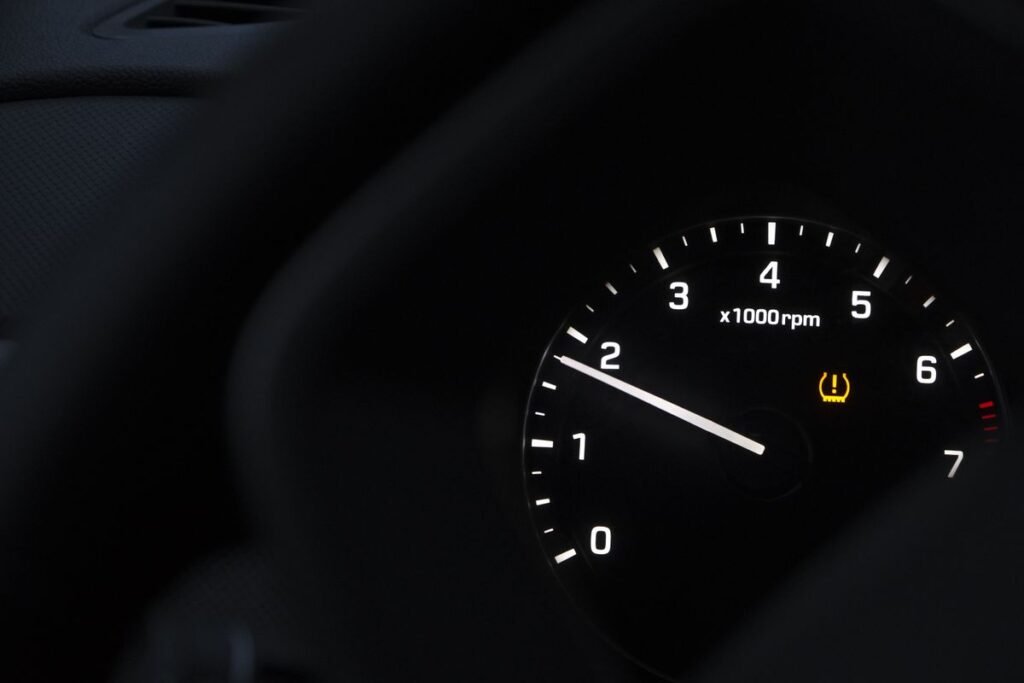
A tire pressure warning light that will not go away, even after you inflate the tires correctly, often points to a dead TPMS sensor. The short answer: replacing one TPMS sensor costs most drivers about 75 to 300 dollars installed, depending on the part and the shop. Current cost guides put a typical aftermarket sensor job at about 75 to 150 dollars per wheel, a dealer job with an original equipment sensor at about 150 to 300 dollars per wheel, and a RepairPal based average at about 245 to 305 dollars, with about 168 to 193 dollars in parts and about 77 to 113 dollars in labor. Replacing all four sensors usually costs about 250 to 600 dollars with aftermarket parts, or about 600 to 1000 dollars or more at a dealer. The first decision is whether you need one sensor or a full set, because sensors on the same car often age together.
TPMS stands for tire pressure monitoring system. On most modern cars each wheel carries a small sensor inside the tire, usually built into the valve stem, which measures pressure and sends it wirelessly to the car. Each sensor has its own battery, sealed inside the unit, which cannot be replaced on its own in normal service. When that battery dies, usually after 5 to 10 years, the whole sensor must be replaced. Your action: if your car is older than seven years and one sensor dies, ask the shop to test the other three, because paying tire labor four separate times costs far more than doing them together.
Signs a TPMS sensor has failed
A steady warning light after correct inflation is the most common sign, but a flashing light at startup usually means a system fault rather than low pressure. A sensor that reports no reading, a reading that never changes, or a reading that is far out of line with a manual gauge also points to a failed sensor. Your action: always check all four tires with a manual gauge first. If pressures are correct and the light stays on, the problem is very likely a sensor, a receiver, or a relearn issue, not the air in the tires. For the full warning light breakdown, read our guide on TPMS light meaning and fixes to confirm whether your symptom matches a sensor failure before you book the job.
Corrosion on the valve stem, a cracked sensor housing, or damage after a tire change can also kill a sensor early. Your action: when a tire shop handles your wheels, ask them to note any corroded or damaged valve stems before they start, so a sensor that was already weak is not blamed on the tire job, and a sensor that is damaged during service is caught on the spot.
Average costs at a glance
| Job | Parts | Labor and relearn | Typical total |
|---|---|---|---|
| One aftermarket sensor, independent shop | 25 to 75 dollars | 50 to 100 dollars | 75 to 150 dollars |
| One sensor, RepairPal based average | 168 to 193 dollars | 77 to 113 dollars | 245 to 305 dollars |
| One original equipment sensor, dealer | 80 to 150 dollars | 70 to 150 dollars | 150 to 300 dollars or more |
| Four aftermarket sensors | 100 to 300 dollars | 150 to 300 dollars | 250 to 600 dollars |
| Four original equipment sensors, dealer | 320 to 600 dollars | 280 to 400 dollars | 600 to 1000 dollars or more |
| Relearn only, no part replaced | 0 dollars | 49 to 71 dollars | 49 to 71 dollars |
Your action: compare quotes by what they include. A cheap sensor quote that leaves out tire dismounting, balancing, programming, and relearn will grow once the work starts, while a higher quote that bundles all four steps may be the cheaper job in total.
Why labor is charged at all
Replacing a sensor is not a roadside job. The tire must be dismounted from the rim, the old sensor removed, the new sensor fitted with a fresh service kit, the tire remounted and balanced, and then the car must learn the new sensor identity through a relearn procedure. Some cars relearn automatically after a short drive, while others need a scan tool or a specific button sequence. Your action: ask whether balancing and relearn are included in the quote. If balancing is left out, the wheel may vibrate after the job, and if relearn is left out, the warning light may stay on even with a brand new sensor.
Aftermarket or original equipment
Aftermarket programmable sensors suit most common cars and keep the bill down, and many are designed to clone the old sensor identity so no relearn is needed. Original equipment sensors match the factory part exactly and suit luxury cars, cars with unusual frequencies, and cars where aftermarket sensors have caused repeat warnings. Your action: on a common car, a quality aftermarket sensor from an established brand is usually the value choice. On a luxury or European car, ask whether the shop has fitted aftermarket sensors to that model successfully before, because a failed relearn will cost you a second visit.
Do not buy the cheapest sensor you can find online without checking frequency and protocol for your exact car. Sensors vary by frequency, by communication protocol, and by valve type, and a wrong sensor will not talk to your car at any price. Your action: give the shop your year, make, model, and trim, or your vehicle identification number, and let them confirm fitment. A sensor bought on a guess is a sensor bought twice.
Replace one or all four
If only one sensor has failed and the others test healthy, replacing one is normal. If the car is high mileage and two or more sensors are already weak, replacing all four in one visit saves repeated tire labor and repeated relearn charges. Tire shops often discount a full set for exactly this reason. Your action: time sensor replacement with a tire change whenever you can. When the tires are already off the rims, the extra labor for sensors drops sharply, and some tire chains charge only a small surcharge per wheel in that situation. For planning a tire change around this job, read our guide on how often to rotate tires to keep tire service and sensor service on the same schedule.
Can you drive with a dead sensor
Yes, in the short term, provided you check pressures manually, because a dead sensor does not affect braking, steering, or engine power. The risk is that you lose the early warning the system gives you, so a real slow leak can go unnoticed until the tire is dangerously low. Your action: if you must delay the repair, check pressures with a gauge every week until it is fixed, and do not rely on the dashboard at all during that period. Some inspections also require a working TPMS, so check local rules before you delay for months.
Frequently asked questions
Can I replace just the TPMS sensor battery
In normal service, no. The battery is sealed inside the sensor, and opening it is not a reliable repair. Your action: replace the whole sensor, and replace the valve service kit at the same time, because old seals and valve cores are a common source of slow leaks after a sensor job.
Does a new TPMS sensor need programming
Usually yes, unless it is a clone of the old sensor or your car relearns automatically on a drive. Your action: ask the shop to confirm the warning light is off and all four readings show correctly before you leave, and drive a short test loop if the car needs a rolling relearn.
How long does a new TPMS sensor last
Typically 5 to 10 years, depending on use and climate. Your action: if you replace one sensor at year eight, budget for the others soon after, and consider a full set if the shop finds weak batteries on more than one wheel.
A TPMS sensor job is a small repair where the quote details matter more than the part price alone. Confirm which sensor failed, compare installed totals that include balancing and relearn, choose an original equipment part only when your car needs it, and time the job with a tire change when you can. That approach keeps a single sensor near the 75 to 150 dollar range at an independent shop and avoids paying tire labor twice for a job that should be done once.