
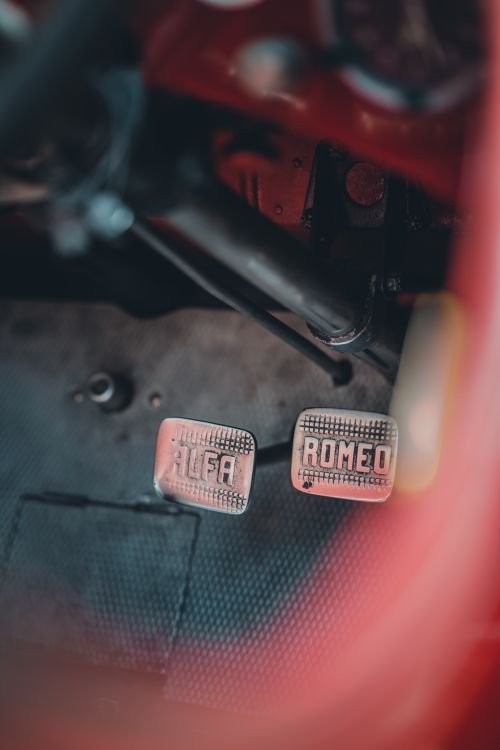
The brake pedal is the pedal you press with your right foot to slow down or stop the car, and it sits immediately to the left of the accelerator. The short answer: in an automatic car there are two pedals, the brake on the left and the accelerator on the right. In a manual car there are three pedals, the clutch on the left, the brake in the middle, and the accelerator on the right. In both cases the brake is operated by your right foot, and the accelerator is always the rightmost pedal. If you remember that order, you will never mix the pedals up.
This order is the same in left hand drive and right hand drive cars, when viewed from the driver seat. The driver may sit on the left or the right side of the car, but the relative order from the driver left to right stays the same: clutch if present, then brake, then accelerator. That consistency is deliberate, because it lets any driver move from one car to another without relearning which foot does what.
Automatic cars: two pedals
An automatic car has no clutch pedal, because the gearbox changes gear for you. That leaves two pedals in the footwell. The brake pedal is the wider pedal on the left, and the accelerator is the narrower pedal on the right. Your action: use only your right foot for both pedals in an automatic. Rest your left foot on the footrest to the far left of the pedals, often called the dead pedal, and do not use it for braking. Using two feet, one for each pedal, is a common beginner mistake, and it can cause you to press both pedals at once in a panic stop.
To find the brake without looking down, slide your right foot left from the accelerator until it meets the wider pedal. The brake pedal is wider on purpose, so your foot finds it easily and so you can press it firmly in an emergency. Your action: before you drive an unfamiliar automatic for the first time, sit in the parked car, press each pedal gently with your right foot, and note the feel and position of each one. That thirty second check in a car park is far safer than learning the layout in moving traffic.
Manual cars: three pedals
A manual car adds a clutch pedal on the far left, operated by your left foot. The clutch disconnects the engine from the gearbox while you change gear. The brake stays in the middle, and the accelerator stays on the right, both operated by your right foot. Your action: keep your left foot for the clutch only, and your right foot for brake and accelerator only. That split is the foundation of smooth manual driving, because it stops you pressing the clutch when you meant to brake, and it keeps your right foot ready to move between brake and accelerator without confusion.
When you start a manual car, the usual sequence is: left foot on the clutch, right foot on the brake, then start the engine. When you pull away, you lift the clutch gently while pressing the accelerator gently, and you keep your right foot ready to return to the brake. Your action: practise that foot split in a quiet car park until it feels automatic, because in an emergency you will use whichever foot pattern you have practised, not the pattern you intended to use.
How to tell the pedals apart by feel and look
Pedals differ in size, shape, and surface, and those differences help you identify them without looking. The accelerator is usually the smallest and narrowest pedal, often with a smooth or lightly ribbed surface, and it may be hinged at the floor or hanging from above. The brake pedal is wider, with a rubber pad that gives grip, and it sits higher than the accelerator at rest, so your foot meets it first when sliding left. The clutch pedal, where present, is similar in size to the brake pedal, but it sits furthest left and feels lighter and longer in travel.
Your action: if you are ever unsure in a parked car, look down once, identify each pedal from left to right, and say the order out loud: clutch, brake, accelerator, or brake, accelerator. That simple spoken check is used in driving lessons for a reason, because it locks the order in before you move. Never try to identify pedals by feel alone while driving at speed, because a moment of confusion at speed is exactly when a pedal mistake becomes dangerous.
Common mistakes new drivers make
The most dangerous mistake is pressing the accelerator when you meant to press the brake. That usually happens when a driver panics, when shoes are bulky, or when the driver uses the left foot for braking in an automatic and presses the wrong pedal by habit. Your action: wear slim flat shoes for driving, keep the footwell clear of loose mats that can slide under the pedals, and always use the right foot only for brake and accelerator. If a floor mat slides forward, stop safely and refit it before driving on, because a mat under the brake pedal can stop the pedal travelling fully.
Another common mistake is resting the left foot on the clutch in a manual car, or resting the right foot on the brake while cruising. Riding the clutch wears it out and can cause slipping, while resting on the brake keeps the brake lights on, confuses drivers behind you, and wears the brakes and overheats them on long descents. Your action: rest your left foot on the footrest when you are not changing gear, and rest your right foot lightly on the accelerator, not on the brake, when cruising. Move to the brake early and smoothly when traffic slows, rather than hovering over it for miles.
If your brake warning light ever comes on while driving, do not confuse that light with pedal position. For what the light means and what to check first, read our guide on brake light on dash and work through the parking brake and fluid checks in order.
Pedal layout in other cars
Some older cars, performance cars, and cars with a foot operated parking brake have extra pedals, and those extras can confuse a new driver. A foot parking brake is usually a small pedal at the far left of the footwell, separate from the main pedals, and it is not used for normal stopping. Some performance cars stagger the brake and accelerator pedals slightly, so the driver can press both at once for a technique called heel and toe downshifting, but the order stays the same: brake to the left of the accelerator.
Your action: when you drive a car with an extra far left pedal, identify it in the parked car before you move, and confirm whether it is a parking brake or a clutch. Do not assume every far left pedal is a clutch, because pressing a parking brake at speed, or pressing a clutch when you meant to brake, can both cause loss of control. If the car is an electric car with one pedal driving, the accelerator also acts as a brake when you lift off, but the physical brake pedal is still in the same place, to the left of the accelerator, and you should still use it for firm stops.
Teaching a new driver the pedals
If you are teaching someone to drive, start in a parked car with the engine off. Your action: have the learner point to each pedal, name it, and press it with the correct foot, several times, before the engine starts. Then practise moving the right foot smoothly between brake and accelerator, without looking down, until the movement feels natural. Only then practise pulling away, stopping, and changing gear in a quiet area. That order, identify, then practise, then drive, builds the muscle memory that prevents pedal confusion later.
For learners, a useful rule is: right foot never leaves the brake and accelerator pair, left foot never touches that pair. Your action: repeat that rule at the start of each early lesson, and correct any two footed braking in an automatic at once, because habits formed in the first lessons are the habits that appear in an emergency. For brake wear, pad replacement, and what a pad job should include, read our guide on brake pad replacement cost once the learner is confident with pedal control, so they also learn what the brake system costs to maintain.
Frequently asked questions
Which pedal is the brake in an automatic car
The left pedal of the two pedals, operated by your right foot. Your action: slide your right foot left from the accelerator to find the wider brake pedal, and rest your left foot on the footrest, not on a pedal.
Which pedal is the brake in a manual car
The middle pedal of the three pedals, between the clutch on the left and the accelerator on the right. Your action: use your left foot for the clutch only, and your right foot for the brake and accelerator only.
Is the brake pedal always on the left of the accelerator
Yes, in standard production cars the brake is always immediately to the left of the accelerator, from the driver point of view, in both automatic and manual cars and in both left hand drive and right hand drive cars. Your action: if a car feels different, check the layout while parked before driving, because an unfamiliar extra pedal is usually a parking brake, not a change in brake position.
The brake pedal rule is simple once you see it: accelerator on the right, brake immediately to its left, clutch further left if the car has one, and your right foot works the brake and accelerator pair. Learn that order while parked, practise it in a quiet area, and keep your left foot out of the brake and accelerator pair. That habit is what keeps a moment of panic from becoming a pedal mistake.