
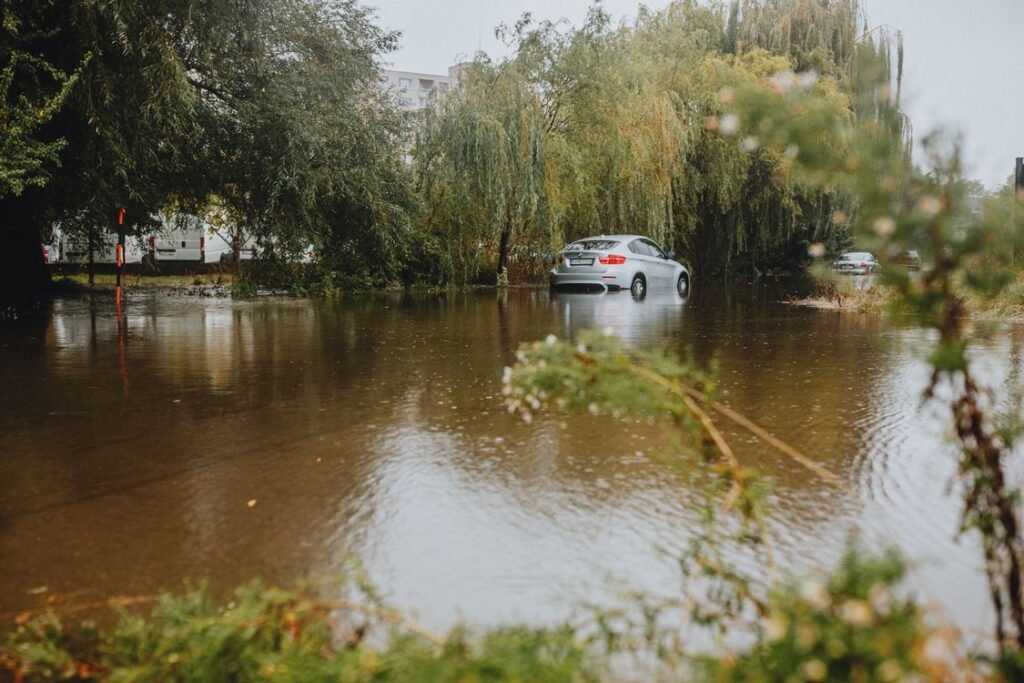
A flooded car inspection service is an independent check that looks for water damage before you buy a used car, or after your own car has been through flood water. The short answer: book an independent mechanic, not one chosen by the seller, ask them to check the interior, the electrics, the fluids, and the underside for silt, rust, and water lines, and run a vehicle history and title check first. If the inspection finds flood evidence, or if the history shows a flood or salvage title, walk away unless the price and the repair risk make sense to you with eyes open. A clean looking car can hide flood damage for months, and that hidden damage is exactly what the inspection is meant to find.
Flood damage is different from ordinary wear, because water reaches places that normal driving never touches. It soaks carpets and seat foam, corrodes wiring connectors, damages computer modules and airbag sensors, and leaves silt in places a detailer rarely cleans. A good detail, new floor mats, and strong air freshener can hide the surface signs, but they cannot hide silt under the carpet, rust on seat rails, fogging inside lights, or corrosion on connectors. That is why a hands on inspection matters more than photos or a short test drive.
Start with paperwork before you inspect in person
Your action: ask the seller for the vehicle identification number, the 17 character code on the dashboard and door frame, before you travel to see the car. Run that number through a vehicle history report and through the free National Insurance Crime Bureau VINCheck service, which checks theft and salvage records from participating insurers. Also check the title brand through an approved National Motor Vehicle Title Information System provider, because a flood or salvage brand on the title is a formal record of serious damage.
Paperwork has limits, and you should know them before you rely on it. A clean report does not guarantee a clean history, because damage that was never reported to an insurer, or a title moved through a state with looser rules, may not appear. That practice, known as title washing, is why paperwork alone is never enough. Your action: treat a clean report as a reason to inspect, not as proof the car is clean, and treat any flood, salvage, or rebuilt brand as a reason to walk away unless you fully understand the repair history and the price reflects it.
What a proper flooded car inspection checks
A proper inspection is a structured check, not a quick look around. Your action: ask the mechanic to work through the car in this order, and ask for photos of anything suspicious, because photos create a record you can use in negotiation and they protect you if the seller later disputes a finding.
Interior and hidden areas come first. The mechanic should lift the floor mats and pull back carpet edges, check the spare tyre well, look under the seats and under the dashboard, and check the glovebox and door pockets for mud, silt, or a water line. Seat rails, screws under the dashboard, and metal brackets are telling spots, because rust there on a relatively new car is hard to explain without water exposure. A musty or mouldy smell, or an overpowering air freshener smell that seems designed to mask one, is also a warning sign.
Electrics and safety systems come next, because these are where flood damage becomes dangerous and expensive. The mechanic should check electrical connectors for corrosion, check lights for fogging or water inside the lenses, run the air conditioning and note any mouldy smell from the vents, and scan for diagnostic trouble codes, including airbag and safety system codes. Your action: ask specifically whether any airbag, antilock braking, or stability control codes are present, and whether any modules show water staining, because flood damage to safety systems can affect how the car protects you in a crash, months after the flood.
Mechanical checks follow. The mechanic should check the engine oil and transmission fluid for a milky look, which can mean water contamination, check the air filter and intake for silt, and inspect the underside on a lift for rust, residue, and wiring damage hidden under panels. For how to check oil condition yourself, read our guide on how to check oil in your car and note what milky oil on a dipstick looks like before you view the car. For transmission fluid condition, read our guide on how to check transmission fluid so you know what healthy fluid should look like when the mechanic shows you the dipstick.
What a flooded car inspection service costs
A prepurchase inspection by an independent mechanic commonly costs around 100 to 200 dollars for a standard car, and up to around 350 dollars for a luxury or diesel vehicle, based on current buying guides checked during this run. That range varies by region, by vehicle complexity, and by whether the inspection includes a lift inspection and a diagnostic scan, so ask what is included before you book. A basic visual check without a lift or a scan is cheaper, but it misses exactly the underside and electronic evidence that matters most for flood damage.
Your action: when you compare inspection services, ask four questions: will the car go on a lift, will you scan all safety and engine codes, will you check specifically for flood signs rather than only general condition, and will I receive a written report with photos. A service that answers yes to all four is worth more than a cheaper check that only looks at tyres and brakes. The inspection cost is small compared with flood wiring repairs, which can easily run into thousands, and compared with the price of buying a car you later cannot sell without disclosing its history.
After your own car has been flooded
If your own car has been through flood water, the inspection question changes from buying to safety and repair. Your action: do not start the engine if water reached the air intake or the interior floor, because starting a hydrolocked engine, an engine with water in the cylinders, can bend internal parts and turn a drying and cleaning job into an engine replacement. Disconnect the battery if it is safe to do so, have the car towed to a workshop, and ask for a full inspection of fluids, electrics, brakes, and safety systems before any decision to repair.
Also contact your insurer promptly and keep photos of the water level, the interior, and the underside before cleaning begins. Your action: do not dry the car and sell it on without disclosure, and do not accept a repair quote that only covers visible cleaning. Flood repairs that ignore wiring and modules often fail months later, with warning lights, starting faults, or safety system faults that were not present at handover. A written inspection report protects both you and any future buyer, and it is the document an insurer will ask for first.
When to walk away
Walk away when any of these appear together: a flood or salvage title brand, silt or a water line in hidden areas, rust on seat rails or under dashboard screws on a young car, corroded connectors, fogged lights, or safety system codes that the seller cannot explain. Any one of those alone deserves a closer look, but two or more together are a strong pattern, not a coincidence. Your action: thank the seller, keep your inspection report and photos, and move on to the next car. There are always more used cars, but there is no cheap fix for a flooded wiring loom or a compromised airbag system.
Also walk away if the seller refuses an independent inspection, refuses to share the vehicle identification number, or insists on their own mechanic. Your action: treat a refusal as information, not as a negotiation point. A seller with nothing to hide gains from an independent inspection, because a clean report supports their price. A seller who blocks inspection is asking you to take on their risk without evidence, and that is never a good deal at any price.
Frequently asked questions
Does a clean history report mean a car was never flooded
No. A clean report only shows what was reported to the sources that report checks. Unreported damage and title washing can both hide flood history. Your action: always pair a history check with a hands on independent inspection that looks for silt, rust, corrosion, and water lines.
How much does a flooded car inspection cost
Usually around 100 to 200 dollars for a standard car, and up to around 350 dollars for a luxury or diesel vehicle, depending on region and on whether a lift inspection and diagnostic scan are included. Your action: confirm that the price includes a lift check, a full code scan, and a written report with photos before you book.
Should I buy a flooded car at a big discount
Only if you fully understand the damage, the repair cost, and the resale effect, and the discount covers all three with room to spare. Your action: get a written repair estimate for wiring, modules, and safety systems, check how a flood title affects insurance and resale in your state, and walk away if any of those answers is unclear.
A flooded car inspection service is cheap insurance against an expensive mistake. Run the paperwork first, book an independent mechanic who checks hidden areas, electrics, fluids, and the underside on a lift, and insist on a written report with photos. If the evidence points to flood damage, walk away. The right used car is the one that passes both the paper check and the hands on check, not the one that only looks clean in photos.