
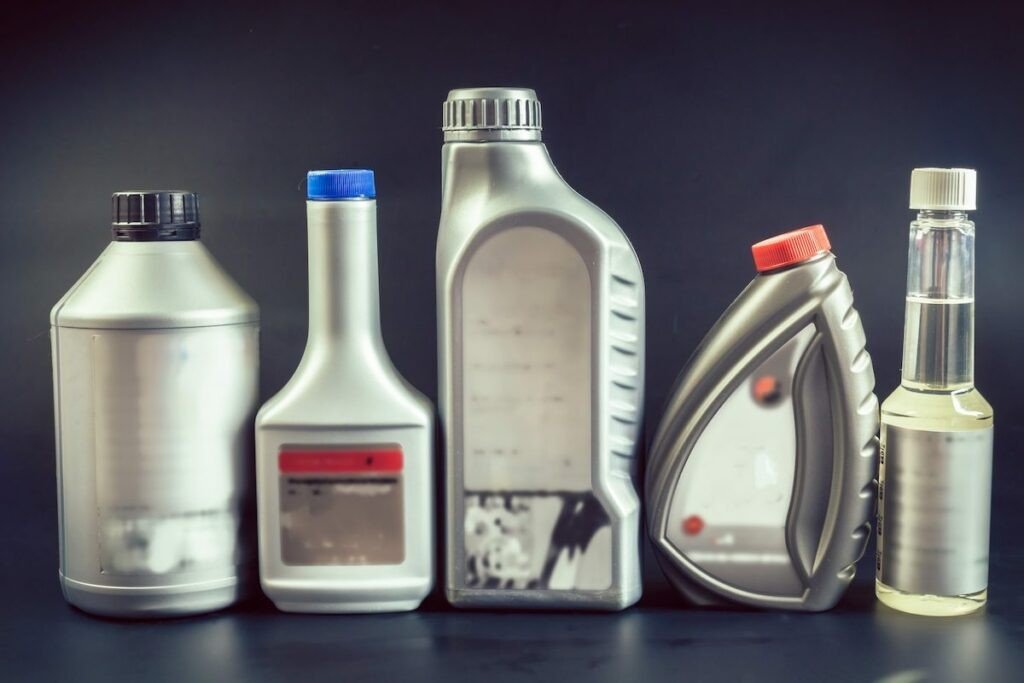
Engine oil is not one product. Viscosity grades, synthetic versus conventional base stocks, and maker approvals all change what the oil does inside your engine. Using the wrong oil can increase wear, sludge, and fuel use, while the right oil protects the engine and keeps it clean. This guide explains the types in plain terms so you can choose confidently.
Understand viscosity grades
Viscosity is the oil’s thickness, and the grade tells you how it flows when cold and when hot. A 5W-30 oil flows like a 5-weight when cold and like a 30-weight when hot. Action: use the viscosity grade in the owner’s manual. A thinner cold grade helps cold starts, while the hot grade must match what the engine was designed for.
Choose between synthetic and conventional
Full synthetic oil uses engineered base stocks that resist breakdown, flow better when cold, and keep the engine cleaner. Conventional oil is refined crude and breaks down faster. Action: if the maker specifies synthetic, use synthetic. For older cars that specify conventional, a synthetic blend can be a good middle ground, but do not switch a worn engine to full synthetic without checking for leaks first.
Look for the maker’s approval
Car makers test and approve specific oils for their engines. An approval on the label means the oil passed that maker’s tests. Action: check the owner’s manual for the required specification, such as VW 504 00 or GM dexos1, and choose an oil that lists it. An oil that only claims to meet or exceed without the formal approval is a weaker guarantee.
Do not mix oil types carelessly
Topping up with a different oil in an emergency is better than running low, but mixing types routinely dilutes the additives and the performance. Action: top up with the same viscosity and type if you can. If you must use a different oil to get home, change the oil and filter soon after.
Check the oil level regularly
Engines use some oil between changes, and running low causes more wear than using a slightly wrong grade. Action: check the dipstick every few fill-ups, with the car on level ground and the engine off for a few minutes. Top up with the correct oil if the level is below the max mark.
Follow the change interval
Oil breaks down with heat, time, and contamination. The maker’s interval balances protection and cost. Action: follow the interval in the owner’s manual for your driving pattern. Short trips and stop-start driving are severe service and need shorter intervals. Do not extend the interval just because the oil looks clean.
Understand high-mileage oils
High-mileage oils contain seal conditioners and extra detergents for engines with wear. They can reduce minor leaks and oil consumption. Action: if your car has over 75,000 miles and uses oil or seeps from seals, a high-mileage oil in the correct viscosity is worth trying. It will not fix a major leak or mechanical wear.
Do not ignore the oil filter
The filter traps the dirt the oil carries. A clogged or cheap filter lets dirt circulate. Action: change the filter with every oil change, and use a quality filter that meets the maker’s specification. A good filter is cheap protection.
Watch for sludge with the wrong oil
Using oil without the right detergents, or stretching the change interval, lets sludge build up in the engine. Sludge blocks oil passages and starves parts of lubrication. Action: if you see dark deposits under the oil filler cap or the oil looks thick and tarry, have the engine checked. An engine flush is sometimes advised, but it can dislodge debris, so get professional advice first.
Know when to ask a specialist
Oil choice gets complicated with performance cars, diesels with particulate filters, and hybrids. The wrong oil can damage emissions equipment. Action: if your car has a diesel particulate filter, a petrol particulate filter, or a hybrid system, use exactly the low-ash or hybrid-specific oil the maker specifies. When in doubt, ask the dealer or a specialist.
Lesson from everyday garage work
A common pattern in everyday garage work is that an engine suffers not from a bad oil brand but from the wrong viscosity, a missed change, or a low level. The lesson is that the basics matter more than the brand. Action: use the grade and specification in the manual, keep the level topped up, and change the oil on time. Do those three things and the brand on the bottle matters far less.
For related maintenance checks, learn how to check the engine oil properly, read how often to change the engine oil, and see why a flashing check engine light needs quick action if the oil warning comes on.