
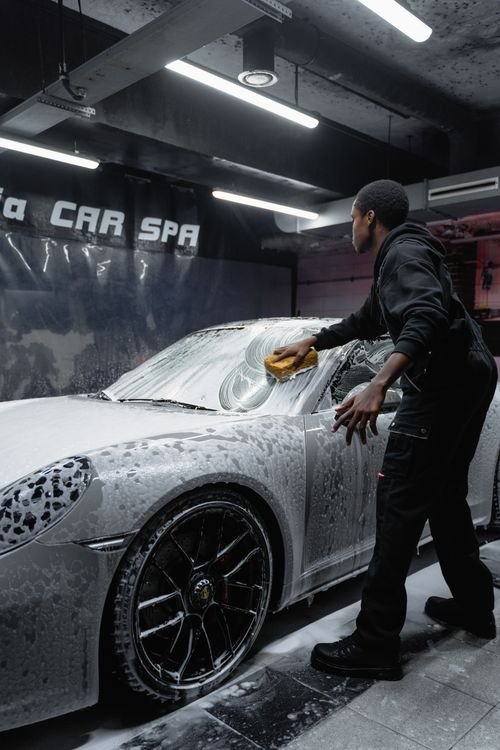
Learning how to detail a car is worth the effort because a proper detail does far more than a quick wash. It removes dirt you can see and dirt you cannot see, it protects paint and trim from sun and road grime, and it makes the cabin feel fresh again. A full professional detail costs 150 to 500 dollars or more in 2026 US guides, and it usually takes 3 to 5 hours, so knowing what the job involves helps you decide whether to do it yourself or pay a professional.
This guide walks through the whole job in order, outside first and then inside, so you can work cleanly and avoid moving dirt from one area to another. You do not need professional tools to get a strong result. You need the right wash method, a vacuum with a crevice tool, clean towels, and enough time to finish each area properly instead of rushing through it.
What a Full Detail Includes
A full detail covers two jobs that are often confused with each other. An exterior detail cleans and protects the paint, glass, wheels, tires, and trim. An interior detail cleans every surface inside the car, from the dashboard and seats to the carpets, vents, and door pockets. A wash alone only removes loose dirt from the outside, while a detail goes further and deals with bonded dirt, stains, smells, and surfaces that a normal wash never touches.
Before you start, decide how far you want to go. A basic detail is a careful wash, a vacuum, glass cleaning, and a wipe down of the main interior surfaces. A full detail adds paint protection, a deep clean car interior treatment for seats and carpets, and attention to small areas such as vents and the area under the seats. Choose the full job when the car has not been cleaned properly for months or when stains and smells have built up inside.
How to Detail the Exterior
Start by rinsing the whole car with clean water to remove loose dust, sand, and grit. This step matters because wiping dry dirt across paint is one of the fastest ways to add fine scratches. Wash from the top down, in straight lines, using a clean wash mitt and a car wash soap made for paint. Our guide to the best car shampoo and soap for your car explains which type to choose, because household soap strips wax and dries out trim, while a proper car shampoo lifts dirt without removing protection.
Use two buckets if you have them, one with soapy water and one with clean rinse water. Rinse the mitt in the clean bucket before you put it back in the soap bucket, so grit stays out of the wash water. Wash one panel at a time and rinse it before the soap dries. Clean the wheels and tires last, with a separate brush and cloth, because brake dust and road tar from the wheels should never touch your paint wash mitt.
Dry the car with clean microfiber drying towels, patting and lifting instead of dragging the towel across the paint. Drying matters as much as washing, because water left to dry on paint leaves mineral spots that are hard to remove later. Open the doors and the trunk and dry the jambs and seals too, because water trapped there drips out later and leaves streaks on clean panels.
Once the paint is clean and dry, finish with wax or a paint sealant to add shine and protection, and clean the glass inside and out with a dedicated glass cleaner. Inspect the paint before you wax, because wax will not hide a scratch. If you find a mark, our guide on car scratch repair cost helps you judge whether it is a simple cosmetic mark or a deeper repair.
How to Do an Interior Detail
An interior detail starts with removing everything that does not belong in the car, including trash, loose papers, and items from door pockets, the glove box, and the center console. Take the floor mats out and shake them outside, then vacuum the whole cabin with a crevice tool. Work from the top down, starting with the headliner edges and the dashboard, then the seats, then the carpets and the area under the seats. Move the seats fully forward and fully back so you can reach the carpet underneath them.
Vacuum slowly and in more than one direction, because dirt settles deep into carpet fibers and a single fast pass only removes the top layer. Use a soft brush attachment on the dashboard, vents, and screens, and a crevice tool along seat seams, seatbelt buckles, and the gaps between the seats and the center console. If you have pets, use a rubber brush or a damp glove to lift pet hair from fabric before you vacuum, because a vacuum alone often leaves pet hair stuck in the fibers.
Clean hard surfaces next with a cleaner made for car interiors, applied to a cloth rather than sprayed directly onto the surface. Wipe the dashboard, door panels, steering wheel, and center console, and use a small brush for vents and buttons. Avoid shiny dressings that leave a greasy film and glare on the dashboard, and never spray cleaner directly onto a screen or onto electrical controls. A matte finish looks cleaner and is safer in sunlight.
For seats, match the cleaner to the material. Use a fabric cleaner on cloth seats and a leather cleaner and conditioner on leather seats, and test any product on a hidden spot first. Deep clean car interior work takes time, so treat one seat at a time and let each area dry before you move on. If a stain does not lift after two careful attempts, stop and consider a professional extraction clean, because scrubbing harder can damage the fabric. Finish by cleaning the glass from the inside and treating any smell at its source, such as a spill or a dirty mat. Our guide on how to freshen your car interior covers how to remove odors properly instead of masking them.
Car Detailing Tips That Save Time and Protect Your Paint
Good car detailing tips all point in the same direction, keep dirt away from clean surfaces and work in small areas you can finish properly. Use separate towels and mitts for paint, glass, wheels, and interior surfaces, and never use a towel that has touched the ground or a wheel on your paint. Wash your towels without fabric softener, because softener reduces how well microfiber lifts dirt and can leave a film on glass.
How Much Does Professional Detailing Cost
| Detail type | Typical cost | What it usually covers |
|---|---|---|
| Interior only | 50 to 350 dollars | Vacuum, seats, carpets, dashboard, glass, and odor treatment |
| Exterior only | 100 to 350 dollars | Wash, paint cleaning, wheels, tires, glass, and wax or sealant |
| Full detail | 150 to 500 dollars or more | Full interior and exterior work, including deep cleaning and protection |
Use the table above to decide what to book. Choose an interior only detail when the cabin needs a deep clean after a spill or before selling the car. Choose an exterior only detail when the inside is already clean but the paint needs protection. Choose a full detail when both areas need work. Ask what is included before you book, including whether paint protection, a deep seat clean, and pet hair removal are covered.
How Long a Detail Takes and When to Book a Professional
A full detail usually takes 3 to 5 hours, depending on the size of the car, how dirty it is, and how much deep cleaning the seats and carpets need. An interior only or exterior only job is faster, but it still takes more time than a normal wash because each surface gets cleaned and checked separately. Plan your day around that time, and do not book a detail for the hour before you need the car, because rushing the drying and protection steps leaves marks and damp seats.
Book a professional for deep stains, strong smells, mold, heavy pet hair, or paint that needs machine polishing. A professional has extraction machines and polishing tools that most home kits do not include. Do the job yourself when the car is only lightly dirty and you have a shaded space and enough time to finish it properly.
Mistakes to Avoid
The most common mistake is washing in direct sun or on hot paint, which dries soap and water into spots before you can rinse or dry them. The second is using one towel or mitt for everything, which moves brake dust and grit from the wheels onto the paint. The third is spraying cleaner directly onto screens, vents, and controls, which can push liquid into electronics and leave marks you cannot wipe away.
Frequently asked questions
How long does it take to detail a car?
A full detail usually takes 3 to 5 hours, depending on the size of the car and how dirty it is. An interior only or exterior only detail is faster, but still takes longer than a normal wash because each surface is cleaned and checked separately. Allow extra time the first time you do it yourself, and do not rush the drying and protection steps.
How much does a full car detail cost?
A full professional detail costs 150 to 500 dollars or more in 2026 US guides. Interior only work usually costs 50 to 350 dollars, and exterior only work usually costs 100 to 350 dollars. The final price depends on the size of the car, its condition, your location, and whether paint protection or deep seat cleaning is included, so ask for the full list of services before you book.
Can I detail my car at home without professional tools?
Yes, you can get a strong result at home with a good wash method, a vacuum with a crevice tool, clean microfiber towels, and cleaners made for car paint and interiors. Work in the shade, wash from the top down, vacuum slowly, and treat one area at a time. A home detail will not match a professional extraction clean or a machine polish, but it will leave the car looking and feeling much cleaner if you follow the order in this guide.
What should I clean first when detailing a car?
Clean the exterior first, then move to the interior. Wash and dry the outside, add paint protection, and then vacuum and wipe the cabin. This order stops you from carrying dirt from the outside back into a clean interior on your shoes and clothes, and it means the interior stays clean while the outside dries and is protected.