
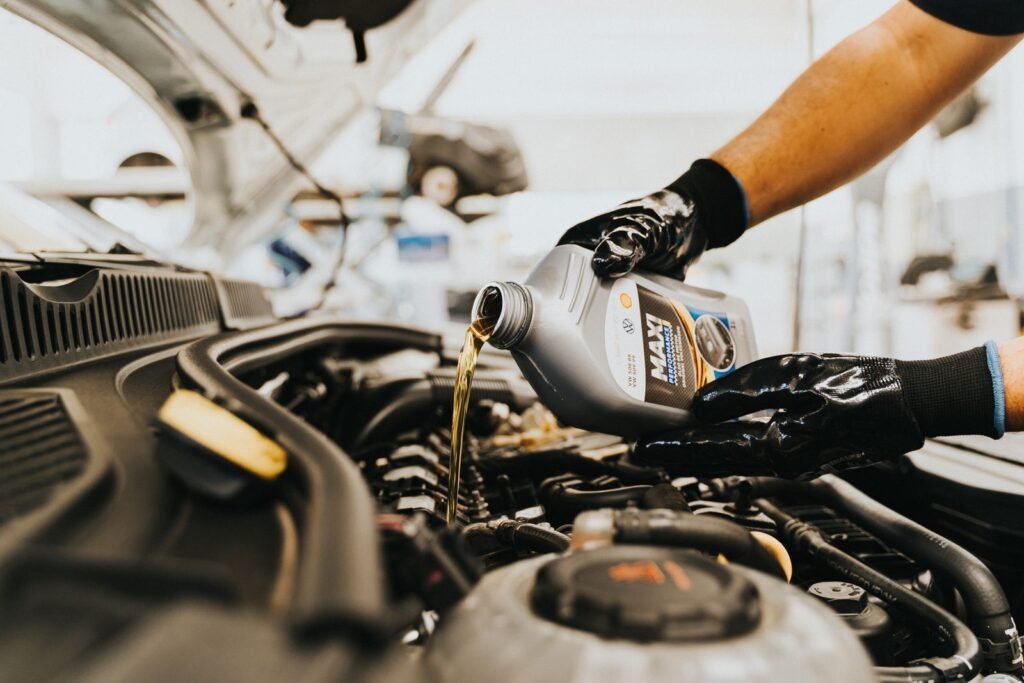
You can learn how to do an oil change at home in about 30 to 60 minutes the first time, and about 30 minutes once you know the routine. Supplies cost about 30 to 80 dollars for oil and a filter, while a shop charges about 60 to 180 dollars for the same job, so doing it yourself saves roughly half the bill. The job needs no special skill, only the right oil, the right filter, a drain pan, and a safe way to lift the car.
This guide walks through each step in order, shows what to buy, and explains when to let a shop do it instead. If you are not sure when your car is due, read our guide on how often to change your oil first, because the interval depends on your oil type and your manual, not on a round number.
What You Need Before You Start
Check your owner manual first for three facts: the oil type and viscosity, such as 5W20 or 0W20, the amount your engine needs, and the filter part number. A typical four cylinder engine needs four to five quarts, while a V8 needs five to eight quarts, so buy one extra quart in case you need a top up. Buy the oil, a new oil filter, and a new drain plug washer if your car uses a crush washer.
Gather the tools before you open the hood: a socket or box end wrench that fits the drain plug, an oil filter wrench, a large drain pan, a funnel, rubber gloves, rags, and ramps or a jack with jack stands. A torque wrench helps you tighten the drain plug to the manual figure without stripping the thread. Never rely on a jack alone: always lower the car onto jack stands before you slide underneath it.
How to Change Your Oil, Step by Step
Warm the engine first, because warm oil flows faster and carries more dirt with it. Drive for five to ten minutes, then park on a flat solid surface, set the parking brake, switch the engine off, and let it sit for a few minutes so the oil settles and the exhaust cools a little. Wear gloves, because the oil and the parts under the car will still be hot.
Lift the car safely. Drive onto ramps, or jack up the front and set it on jack stands on solid ground, then give the car a firm push to confirm it is stable before you go under it. If you cannot lift the car safely, stop and book a shop, because no saving is worth the risk.
Find the drain plug on the bottom of the oil pan and the oil filter on the side of the engine block. Place the drain pan under the plug, loosen the plug with your socket, then unscrew it by hand and let the oil flow out. Keep your hand clear of the stream, because hot oil burns. Let the oil drain for ten to fifteen minutes, until it slows to a drip, then refit the drain plug with a new washer and tighten it to the manual torque figure. Do not overtighten it, because the soft threads in the pan strip easily.
Change the filter while the oil drains. Move the pan under the filter, loosen it with the filter wrench, then unscrew it by hand and tip the old oil into the pan. Smear a little fresh oil on the rubber gasket of the new filter with your finger, then screw it on by hand until the gasket touches, and turn it about three quarters of a turn more. Do not use the wrench to tighten a spin on filter, because overtightening crushes the gasket and causes a leak.
Add the fresh oil through the filler cap at the top of the engine, using the funnel. Pour in about one quart less than the manual figure, then check the dipstick and top up slowly until the level sits between the two marks. Overfilling is as bad as underfilling, so add small amounts and recheck. Refit the filler cap, start the engine, let it run for a minute, and look under the car for drips around the drain plug and the filter. Switch off, wait five minutes, and check the dipstick again, topping up if needed.
Finish the job properly: reset the oil change light using the steps in your manual, write down the mileage and date, and take the used oil and the old filter to an auto parts store or a recycling center. Never pour used oil down a drain or into the trash, because one oil change can pollute a large amount of water. If you spot a leak after the change, read our guide on oil leak repair cost to see what it may cost to fix.
DIY Oil Change vs a Shop
| Option | Typical cost | Time | Best for |
|---|---|---|---|
| Do it yourself | 30 to 80 dollars in supplies | 30 to 60 minutes | Easy access, flat driveway, basic tools |
| Shop, conventional oil | 40 to 80 dollars | About 30 minutes | Quick visit, no tools or space at home |
| Shop, synthetic oil | 60 to 180 dollars | About 30 to 45 minutes | Modern car, full synthetic required |
The saving is real, but only when the job is easy on your car. Some cars hide the filter behind a cover, use a cartridge filter that needs a special cap tool, or place the drain plug where you cannot reach it without lifting the car high. In those cases a shop visit is the smarter choice. Also check the manual before you buy oil: using the wrong viscosity can cause wear, and some cars need a specific oil standard that costs more per quart.
Mistakes to Avoid
The most common mistake is the wrong oil, so double check the viscosity and the standard in the manual before you buy. The second is a loose drain plug or filter, which shows up as a puddle under the car after the first drive, so always check for drips after the engine runs. The third is forgetting the new washer on the drain plug, which causes a slow weep that looks like a bigger leak.
Never start the engine with no oil in it, even for a second, and never drive with the oil level below the lower dipstick mark. If the oil pressure warning light stays on after the change, switch the engine off at once and check the level and the filter seating before you drive anywhere. If you are unsure about any step, stop and let a mechanic do it, because one mistake can damage an engine that costs thousands to replace.
How to Check Your Oil Level After the Change
Park on flat ground, wait five minutes after switching off, pull the dipstick, wipe it clean, push it fully back in, then pull it out again and read the level. The oil should sit between the two marks, and it should look clear amber, not black and gritty. Our guide on how to check oil in your car shows the full routine with photos of what to look for.
Frequently asked questions
How long does an oil change take at home?
About 30 to 60 minutes the first time, and about 30 minutes once you know the routine. Most of that time is waiting for the old oil to drain, so do not rush it.
How much oil does my car need?
Most four cylinder engines need four to five quarts, while a V8 needs five to eight quarts. Your owner manual lists the exact amount for your engine, so check that before you buy.
Do I need to change the oil filter every time?
Yes. The filter holds old oil and trapped dirt, so fitting a new one with every oil change keeps the fresh oil clean and protects the engine.
What do I do with used oil?
Pour it back into the empty oil bottles, seal them, and take them with the old filter to an auto parts store or a recycling center. Most stores take used oil for free. Never pour it down a drain or into the trash.
Pingback: Oil Pan Gasket Replacement Cost and Signs It Is Leaking