
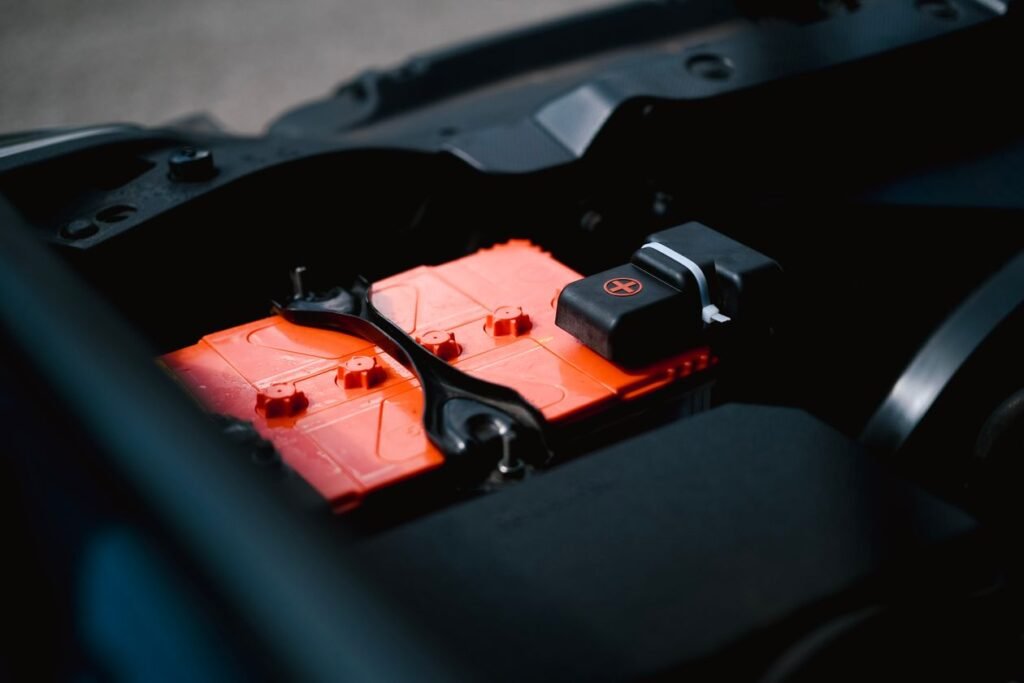
You fitted a new battery, turned the key, and nothing happened. This guide will help you find the fault fast, fix the simple causes yourself, and know when to call a mechanic. Could the new battery be faulty, or did the swap disturb something else?
A car that will not start after a battery replacement usually has a loose or dirty terminal, a blown fuse, a locked anti theft system, or a computer that needs to relearn its settings. The battery itself is only one part of the starting system, and the swap can disturb cables, fuses, and electronics. That sinking feeling after paying for a new battery is real, so work through the checks below in order before you pay for a part you may not need.
First, Work Out What Happens When You Turn the Key
Do not guess at a part before you know the pattern. What the car does when you turn the key points straight to the system at fault, and it takes less than a minute to note. Watch the dash lights, listen for a click or a crank, and look for a flashing security light.
| What you see | Likely cause | First check |
|---|---|---|
| Nothing at all, no lights, no sound | Dead connection, blown main fuse, or flat battery | Terminals tight, main fuse, battery voltage |
| Dash lights work but only a single click | Loose terminal, weak connection, or starter fault | Terminals, then a starter test |
| Engine cranks but will not fire | Anti theft lockout, blown ignition or fuel fuse | Security light, fuses, then a code scan |
| Engine starts then stalls at once | Computer relearn needed, or loose connection | Terminals, then the idle relearn steps |
| Security light flashing on the dash | Anti theft system is active | Lock and unlock with the remote, key in On for 10 minutes |
If your pattern matches more than one row, start with the cheapest and safest check first. Terminals and fuses cost almost nothing to check, while a starter or a computer fault needs a shop test. The next sections explain each cause.
Loose or Corroded Battery Terminals
A loose terminal is the most common cause of a no start right after a battery swap, and it is also the easiest to fix. The cable clamp must sit fully down on the terminal post and grip it firmly. If you can twist the clamp by hand, it is too loose, and power will flow in fits and starts instead of reaching the starter in full.
Corrosion makes the same problem worse. It shows as a white or bluish powdery buildup on the posts and inside the clamps, and it acts like an insulator between the battery and the cable. Clean both posts and both clamps with a wire brush until the metal shines, then refit the clamps and tighten them snug. Do not overtighten, because that can crack the clamp or strip the bolt. If the terminals still look crusty after cleaning, read our guide on car battery problem signs to see the other warning signs of a failing battery and its connections. Once the terminals are clean and tight, try the key again, and if the car still will not start, check the next cause.
Wrong Battery or Reversed Cables
A battery that does not match your car can cause a no start even when it is brand new. Check the group size, the terminal layout, and the cold cranking amps against your owner manual. A battery with the posts on the wrong sides forces the cables to stretch or cross, and a battery with too little cranking power may turn a small engine but fail on a larger one.
Reversed cables are more serious. The positive cable must go to the positive terminal, marked with a plus sign and usually covered by a red cap, and the negative cable must go to the negative terminal, marked with a minus sign. If the cables were connected backwards even for a second, the surge can blow the main fuse and damage sensitive electronics. If you suspect the cables were reversed, do not keep trying the key. Check the main fuse first, as the next section explains, and if the fuse is blown, ask a shop to check the charging system before you fit another fuse.
Blown Fuse or Fusible Link
Fuses protect the car circuits from a power surge, and a battery swap can cause one. The fuses that matter most here are the main fuse, the starter fuse, the ignition fuse, and the ECU fuse. When one of them blows, the starter gets no power, or the fuel pump and ignition get no power, even though the battery is perfect.
Use your owner manual to find the fuse boxes, there is usually one under the hood and one inside the cabin, and pull each suspect fuse to look at it. A blown fuse has a broken metal strip inside or a darkened window. Replace it only with a fuse of the same amperage, because a stronger fuse removes the protection and can let a short damage the wiring. If the new fuse blows at once, stop and get a shop diagnosis, because a short in the circuit needs finding, not a bigger fuse. Next, we look at the lock that many drivers miss entirely.
Anti Theft System Lockout
Many modern cars treat a battery change as a security event. When power is cut for a while, the anti theft system can lock the ignition until it sees the right key again. The clearest sign is a security light flashing on the dash, or a key symbol that stays lit when you turn the key.
Try the simple reset first. Lock and unlock the car with the remote key fob, then insert the key and turn it to the On position without starting, and leave it there for about 10 minutes. On many cars this lets the immobilizer recognize the key again. If your car uses push button start, check the key fob battery, because a weak fob can fail to talk to the car after the main battery was changed. If the light keeps flashing after these steps, check your owner manual for the exact reset for your model, because the steps vary by maker. A dealer or a locksmith with the right tool can also reset the system. Next, we cover the computer itself.
Computer Needs to Relearn Its Settings
Disconnecting the battery wipes the engine computer memory on many cars. The computer forgets the idle speed, the throttle position, and the fuel trim it had learned over months of driving. On the first start after a swap, the engine may idle rough, hunt up and down, or stall as soon as you lift off the pedal.
This is a real and common behavior, not a fault in the new battery. A basic relearn often fixes it. Disconnect the negative terminal for about 15 minutes, reconnect it, turn the ignition to On without starting for about 10 seconds, then start the engine and let it idle for 10 to 15 minutes without touching the pedal. Take a few short drives after that and the idle usually settles. Some newer cars need a scan tool relearn at a shop, so if the rough idle or stalling lasts more than a few drives, book a diagnostic instead of replacing parts. Next, we check the part that turns the engine over.
Starter or Ignition Switch That Failed at the Same Time
Sometimes the starter was already weak, and the battery swap only exposed it. A starter with worn brushes can work one day and fail the next, and the extra cranking during a battery problem can finish it off. The classic sign is a single loud click when you turn the key, with the dash lights staying bright and steady, while the engine does not turn at all.
Ask a shop to test the starter before you approve a replacement. A good test checks battery voltage at the starter, the signal from the ignition switch, and the current the starter draws. A tapping test, where someone taps the starter housing with a wrench while you turn the key, can free a sticking starter for one more start, but it only confirms the starter is dying and it will strand you again soon. If the engine cranks strongly but will not fire, the starter is innocent, and the fault lies in fuel, spark, or the anti theft system instead. If you want the full starting sequence explained, read our guide on how to start a car. Next, we look at the new battery itself.
A New Battery That Is Faulty or Flat
A new battery can be faulty, and it can also arrive flat after sitting on a shelf. Do not assume the part is good just because the box was sealed. A healthy battery reads about 12.6 volts at rest on a multimeter, while a reading below 12 volts means it needs charging before you judge anything else.
Take the battery back to the seller and ask for a load test, which most parts stores do free of charge. A load test puts a real demand on the battery and shows whether it can hold voltage under load, which a simple voltage reading cannot prove. If the test fails, the battery is faulty and the seller should replace it under warranty. Keep your receipt and note the date, because a warranty claim needs both. If the battery tests good, the fault is in the car, not the battery, and the checks below will narrow it down.
What to Check Yourself Safely, in Order
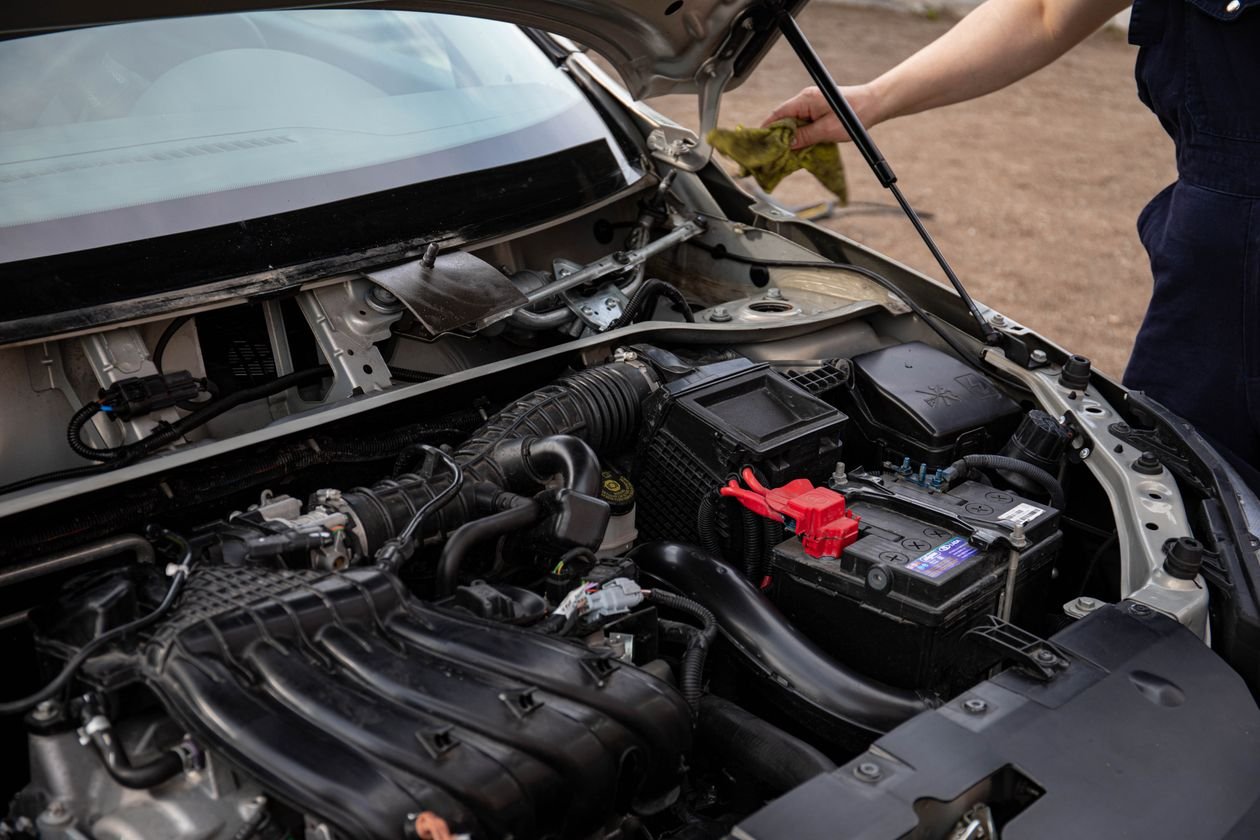
Work through these checks in order, and stop at any step that feels unsafe. First, look at the dash and note every light, especially a flashing security light, then check that both terminals are clean, fully seated, and tight enough that they do not twist by hand. Second, check the main fuse and the starter, ignition, and ECU fuses, and replace a blown one only with the same amperage.
Third, try the anti theft reset: lock and unlock with the remote, then key in On for 10 minutes. Fourth, measure the battery voltage if you have a multimeter, and ask the seller for a load test if the reading is low. Fifth, try the idle relearn steps if the engine starts and then stalls. Finally, if the car still will not start, note exactly what happens when you turn the key, no sound, a click, or cranking without firing, and give those notes to the mechanic. That short list saves diagnostic time and money. Next, we help you decide when to stop and call for help.
When to Call a Mechanic
Call a mechanic at once if you smell burning, see smoke, or find a melted cable or terminal, because a short can damage the wiring and the computer. Call too if the cables were connected backwards, even briefly, because the main fuse and the charging system need checking before the car is safe to start. Do not keep fitting new fuses if one blows again at once.
A tow is the right call when the car will not start after the terminal, fuse, and anti theft checks, and you have no multimeter or scan tool to go further. Tell the shop what you already checked, so they start from the starter test and the code scan instead of repeating your work. If the car starts but stalls, or idles very rough, drive only a short distance at low speed to a nearby shop, and pull over if it stalls in traffic. Next, we put the typical costs side by side.
Repair Costs, as National Averages That Vary by Car
Repair costs vary by car, part quality, and local labor rates, so use these figures as a planning guide, not as a quote. Ask for a written estimate that lists the diagnostic fee, the part, and the labor separately. A no start diagnostic visit typically costs 0 to 150 dollars, and many shops credit that fee toward the repair if you go ahead with it.
A starter replacement typically costs 450 to 700 dollars at an independent shop, while RepairPal lists a national range of 566 to 787 dollars, with the final cost varying by car and by how hard the starter is to reach. A battery replacement typically costs 120 to 320 dollars installed. A starter relay typically costs about 83 to 101 dollars nationally. Fuses cost only a few dollars each. For the full battery swap steps, read our guide on how to change a car battery. The final section answers the questions drivers ask most often.
Questions and Answers
Why will my car not start after I replaced the battery?
The most common causes are a loose or corroded terminal, a blown main or starter fuse, an anti theft system that locked the ignition, a computer that needs to relearn its idle settings, a starter that failed at the same time, or a new battery that is faulty or flat. Check the terminals and fuses first, then the security light, then ask the seller for a battery load test.
How do I reset the anti theft system after a battery change?
Lock and unlock the car with the remote key fob, then insert the key and turn it to the On position without starting, and leave it there for about 10 minutes. On many cars this lets the immobilizer recognize the key again. If your car uses push button start, check the key fob battery too. If the security light keeps flashing, check your owner manual for the exact reset for your model.
Can a new battery be dead?
Yes. A new battery can arrive flat after sitting on a shelf, or it can be faulty from the factory. A healthy battery reads about 12.6 volts at rest. Ask the seller for a load test, which most parts stores do free of charge, and a failed test means the battery should be replaced under warranty.
How much does it cost to fix a car that will not start after a battery replacement?
The cost depends on the cause. Fuses cost only a few dollars, a diagnostic visit typically costs 0 to 150 dollars, a starter relay typically costs about 83 to 101 dollars, and a starter replacement typically costs 450 to 700 dollars at an independent shop, with final costs varying by car and labor rates. A code scan and a written estimate will give you a firm figure for your car.