
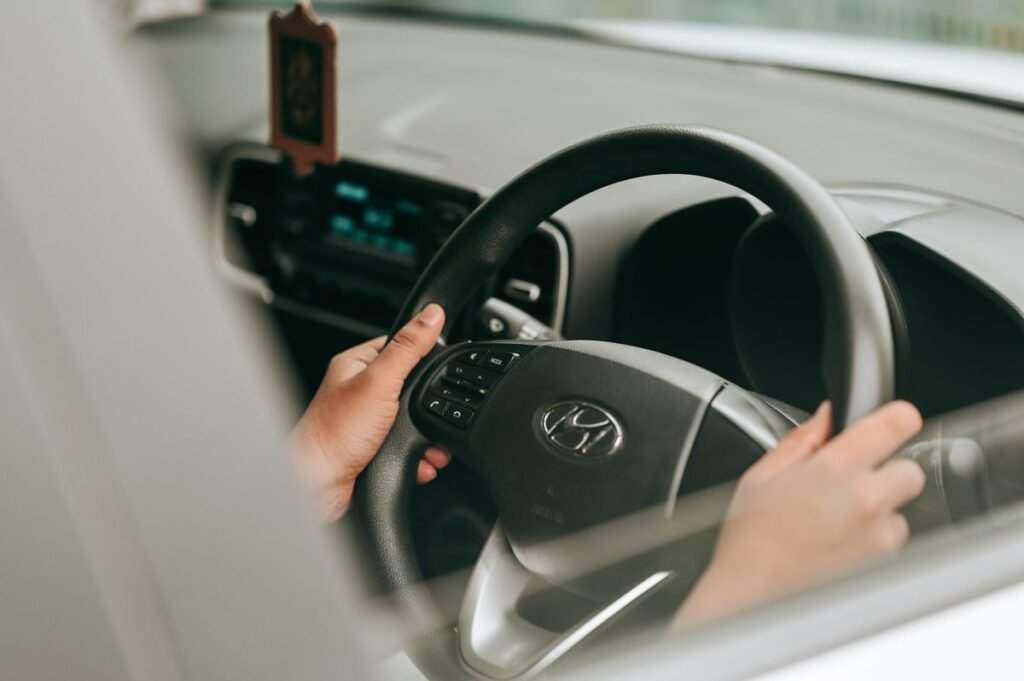
A good steering wheel cover protects your wheel from sun damage and wear, gives you a firmer and more comfortable grip, and can make an older interior look fresh again for very little money. The best steering wheel cover for you depends on your wheel size, your climate, and the feel you like, and most quality options cost between 15 and 50 dollars. This guide explains the materials, sizes, and types so you can pick the right one the first time.
Why use a steering wheel cover at all
The steering wheel is the part of the car you touch most, and it takes a beating. Sunlight cracks and fades leather and plastic wheels, hand oils and sweat wear the surface shiny and slippery, and a worn wheel makes the whole car feel older than it is. A cover solves all of that. It also adds grip in hot weather when palms sweat, and insulation in winter when a bare wheel feels freezing. For drivers with worn or peeling wheels, a cover is far cheaper than a wheel retrim or replacement, which can run into hundreds of dollars. If you enjoy small interior upgrades, a cover pairs well with the cleaning and care gear in our best car detailing kit guide.
Getting the size right
Fit is the single most important part of buying a cover. A loose cover can twist in your hands, which is uncomfortable and unsafe, while one that is too small will not go on at all. Measure the outside diameter of your wheel across the center, and note the grip thickness. Most passenger cars fall into the standard size below.
| Cover size | Wheel diameter | Typical vehicles |
|---|---|---|
| Small | 14 to 14.25 inches | Compact and older small cars |
| Medium (standard) | 14.5 to 15.5 inches | Most sedans, hatchbacks and crossovers |
| Large | 15.5 to 16.5 inches | Trucks, large SUVs and older vehicles |
| Extra large | Over 16.5 inches | Large trucks and classic cars |
If your measurement lands between sizes, choose the smaller one. Covers are designed to stretch on tightly, and a snug fit is what keeps the cover from moving.
The main materials, compared
Genuine and synthetic leather
Leather covers look the most factory fitted and suit drivers who want an original equipment feel. Genuine leather costs more, usually 30 to 60 dollars, and needs occasional conditioning. Synthetic leather, often called microfiber leather, looks similar, resists sweat better, and costs 15 to 35 dollars.
Silicone and rubber
Silicone covers are slim, grippy, easy to wash, and great in hot climates. They add almost no thickness, which suits drivers who dislike a bulky grip. Expect to pay 10 to 25 dollars.
Fabric, mesh and sport styles
Breathable mesh and fabric covers keep hands cooler in summer and often include padded or perforated grip sections. Sport styles add contrast stitching and thicker thumb rests. Prices range from 12 to 30 dollars.
Heated and winter covers
Plush and sheepskin style covers make cold morning starts more pleasant, and plug in heated covers exist for very cold regions. They are bulkier, so they suit relaxed driving rather than sporty use.
Best steering wheel cover picks by need
- Best all round: a microfiber leather cover in the standard size. It looks smart, grips well in all seasons, wipes clean, and usually costs 20 to 35 dollars.
- Best for hot climates: a breathable mesh or silicone cover, which stays comfortable when the cabin heats up in the sun.
- Best for cold climates: a plush lined or heated cover that takes the sting out of a frozen wheel.
- Best for a worn wheel: a slightly padded leather style cover, which hides peeling and cracks and restores a smooth grip.
- Best budget pick: a simple silicone or fabric cover for 10 to 20 dollars, ideal for a second car or a work vehicle.
- Best sporty feel: a perforated cover with thicker grips at the ten and two positions and flat bottom shaping where available.
Prices vary by brand, size and region, but steering wheel covers are one of the cheapest interior upgrades you can buy, and even the premium end is modest compared with trim repairs.
How to install a steering wheel cover
- Warm the cover first. Leaving it in the sun or a warm room for 20 minutes makes it far more flexible.
- Line up the cover so its seams or spoke cutouts match your wheel, with any flat section at the bottom.
- Hook the top of the cover over the top of the wheel.
- Work down each side, stretching and rolling the cover over the rim a little at a time.
- Finish at the bottom, then rotate and press the cover until it sits evenly with no twists.
Installation takes five to fifteen minutes and needs no tools. Safety warning: once fitted, grip the wheel firmly and try to rotate the cover by hand. If it moves or slips at all, remove it and refit it or choose a smaller size. A cover that turns independently of the wheel is dangerous and should never be driven with. While you are working around the wheel, avoid pressing or leaning on the center pad, and if you ever need to remove trim near the column, read our steering column guide first so you understand what sits behind it.
Care and cleaning tips
Wipe leather and silicone covers with a damp cloth every few weeks, and use a leather conditioner on genuine leather twice a year. Fabric covers can usually be hand washed and air dried. If a cover becomes shiny, cracked, or loose with age, replace it. Most covers last two to four years of daily driving.
Frequently asked questions
Will a cover fit over a heated or thick sport wheel
Usually yes, but measure carefully. Thick rimmed sport wheels often need the larger end of the size range. A cover also slightly reduces the effect of a heated wheel, since the heat must pass through the material.
Do steering wheel covers damage the wheel underneath
No. A correctly fitted cover protects the wheel from sun and wear. Problems only arise with poor quality covers that use harsh adhesives, which good covers do not need.
Can I use a cover with a flat bottom wheel
Yes. Several covers are shaped for flat bottom wheels, and standard flexible covers will also follow the shape once stretched on, though a shaped cover looks neater.
Choosing a steering wheel cover comes down to three things: measure your wheel, pick a material that suits your weather, and fit it tightly. Do those and you get a better grip, a protected wheel, and a fresher interior for the price of a tank top up.