
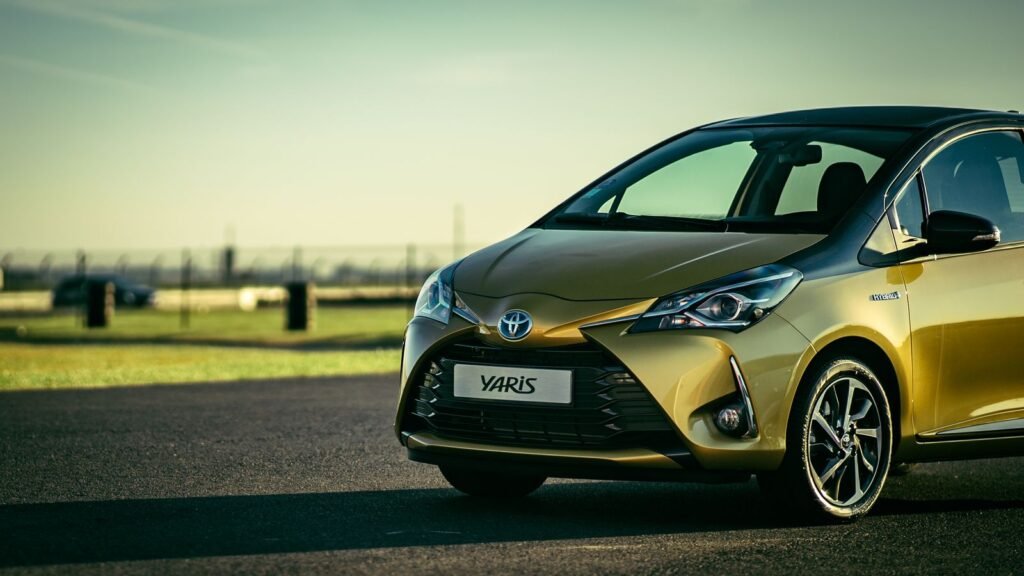
The Toyota Yaris is the small car for people who have read the horror stories about other small cars. On sale since 1999 through four generations, it has built its reputation the slow way: by simply not breaking. Driving schools, city commuters and first time buyers all reach the same conclusion. If you want a small car that starts every morning and costs almost nothing to keep, this is the default answer.
So who does it suit? City drivers who need a car that is easy to park and cheap to fuel. New drivers who want low insurance and a car that forgives mistakes. Commuters who want hybrid economy without paying for a bigger car. And used buyers on a budget, because the Yaris holds its value well but the older generations are genuinely cheap to buy and run.
People search for the Yaris because small car reliability is rare and this one has the track record to prove it. This page covers all four generations, the engines worth having, the problems owners actually report, the years to buy, and what the car costs to run.
Toyota Yaris at a glance
The quick facts first. The Yaris was sold as the Vitz in Japan and the Echo in some markets in its early years, but the car is the same.
| Item | Details |
|---|---|
| Generation count and years sold | 4 generations, on sale since 1999 and still in production today |
| Body styles | 3 and 5 door hatchback. A 4 door sedan was offered in some markets, and there is the 3 door GR Yaris performance model. |
| Main engines | 1.0, 1.33 and 1.5 litre petrols, a 1.4 litre diesel in older cars, and the 1.5 litre hybrid in the current generation |
| Gearboxes | 5 and 6 speed manual, Multidrive S CVT on third generation petrols, eCVT on every hybrid, and an automated manual on early cars to avoid |
| Drive | Front wheel drive. The GR Yaris is all wheel drive. |
| Seats | 5 |
| Boot space range | 286 litres in the third and fourth generations with the seats up, 768 litres folded in the third generation |
Generations explained
Four generations cover the Yaris story. The third and fourth generations are the ones most buyers will meet, and they are also the best ones.
| Generation | Years | What changed |
|---|---|---|
| First generation, XP10 and XP20 | 1999 to 2005 | The original. European Car of the Year 2000, with a tall cabin and simple engines. Now only a very cheap used buy. |
| Second generation, XP90 | 2005 to 2013 | Bigger and more grown up, with the manual petrols earning a bulletproof reputation. Avoid the automated manual gearbox. |
| Third generation, XP130 | 2011 to 2020 | The hybrid arrived in 2012 and became the definitive budget hybrid. The guides rate this generation excellent. |
| Fourth generation, XP210 | 2020 to present | Hybrid only in Europe on the TNGA platform, sharper to drive, and rated outstanding by the buying guides. The GR Yaris performance model sits above it. |
The third generation car, sold from 2011 to 2020, is the used buy most people will meet first and it is a genuinely strong one. The 1.5 litre hybrid that arrived in 2012 turned the Yaris into the definitive budget hybrid: real world fuel use of 4.5 to 5.5 litres per 100 km, Toyota hybrid reliability, and prices that used buyers can reach. The petrols are basic but dependable, and the Multidrive S CVT on the petrols is a conventional smooth automatic. This is the generation where the Yaris stopped being just cheap transport and became a smart buy.
The fourth generation car arrived in 2020 and is still the current Yaris. Built on the TNGA GA B platform, it is sharper to drive than any Yaris before it, and in Europe it is hybrid only: a 1.5 litre three cylinder hybrid with 114 hp in total, joined by a stronger 129 hp version with the early 2024 facelift. The buying guides call it one of the safest used buys in its class with no significant known faults. It costs more than the older cars, but it is the Yaris at its best.
Engines and specs that matter
The small petrols are the heart of the older cars. The 1.0 litre with about 69 hp is basic transport: slow on the highway but honest and extremely cheap to run around town. The 1.33 litre with about 99 to 100 hp is the better all rounder, with enough pull for dual carriageways while staying cheap to fuel and insure. The 1.5 litre petrol with about 111 hp is the strongest of the normal petrols. These engines have no major known faults in the guides, which is exactly why budget buyers love them. Buy the 1.0 for pure town work, the 1.33 for mixed driving.
The hybrid is the engine that changed the Yaris story. The third generation 1.5 Hybrid HSD makes about 100 hp in total and delivers real world economy that embarrasses bigger cars. The current generation hybrid makes 114 hp, or 129 hp in the stronger version, and pairs with an eCVT gearbox that has no belts to wear and no clutch to replace. Hybrids cost more to buy but the fuel savings are real, especially in town where the electric motor does much of the work. If you drive mostly in town, the hybrid pays for itself.
The 1.4 D 4D diesel at 75 to 90 hp suits exactly one buyer: the high mileage driver who lives on the highway. It is economical on long runs, but the exhaust filter clogs on short town trips and the repairs are expensive. There were also documented engine failures on some 2011 1.4 diesels, so this engine demands full history and the right driving pattern. Most buyers should skip the diesel entirely and take a petrol or a hybrid instead.
Then there is the GR Yaris, which is a different animal wearing the same badge. Launched in 2020 as a rally homologation special, its 1.6 litre turbo three cylinder makes about 260 hp, it has permanent all wheel drive, and it is one of the most celebrated performance cars of its era. It is not a sensible buy and it was never meant to be. If you want one, buy on condition and check for hard use, because these cars get driven as intended.
Which engine suits you? Do mostly town driving and the hybrid is the obvious pick in either the third or fourth generation. Want the cheapest possible reliable runabout, a second generation 1.0 or 1.33 manual petrol is hard to beat. Cover big highway miles and the 1.5 petrol or the hybrid both work. Avoid the automated manual gearbox on the early cars completely, choose the manual or the CVT instead. And if a petrol car you test drive idles roughly or hesitates, start with the cheap fix first, because worn plugs cause exactly those symptoms and the signs of bad spark plugs take minutes to check.
Common problems by generation
The Yaris problem list is short, which is the whole point of the car. These are the issues that actually come up in owner reports and buying guides, generation by generation.
First generation, 1999 to 2005
These cars are old now, so buy on condition. Documented issues include oil leaks, complaints about the early automated manual gearbox, and a recall for rear wheels locking under sudden braking, so check the recall work was done. Rust is the main enemy now on cars in salty climates. The petrol engines themselves are tough little units. At this age, a Yaris with a fresh service and solid bodywork is a better buy than a newer car with no history.
Second generation, 2005 to 2013
The automated manual gearbox, called MultiMode or MMT, is the big documented complaint of this generation. Buyers and guides describe poor reliability and an unpleasant driving experience, and the advice is simple: buy the manual and skip the MMT completely. With the manual gearbox, this generation has an excellent reputation. Age related items to check are water pump weeping around mid life, ignition coil misfires, creaking strut top mounts, rear wheel bearing wear, and rust on sills and rear arches in salty climates. None of these is expensive on a car this simple, but they are bargaining points.
Third generation, 2011 to 2020
This generation is clean on the whole, with the faults concentrated on the diesel. Owner reports document engine failures on some 2011 1.4 D 4D cars needing short engine replacements, plus repeated exhaust filter regeneration problems on the diesel. There were recalls for a fuel leak, suspension bearing wear and power steering failure, so run the VIN through the Toyota recall checker for any car you consider. The petrols and hybrids are otherwise clean in the guides, which is why the buying guides rate the third generation hybrid so highly. One ergonomic note: the Touch and Go infotainment screen is hard to read in bright light because of reflections, so check you can live with it.
Fourth generation, 2020 to present
Very few reported faults, which matches the guides calling this one of the safest used buys in its class. The only item the guides flag is the 12 volt auxiliary battery on hybrids, which may need replacement around year three. A flat 12 volt battery causes a surprising number of warning lights on a hybrid, and our guide on how long car batteries last explains when to replace one before it strands you. Otherwise, buy on condition and enjoy one of the most dependable small cars on sale.
Which Toyota Yaris should you buy
On a tight budget, look at a second generation manual petrol from 2009 to 2013. The 1.0 and 1.33 engines are basic but dependable with no major known faults, and these are among the cheapest reliable cars you can buy. Just make sure it is a manual, not the automated manual.
In the middle ground, a third generation 1.5 hybrid from 2015 to 2020 is the sweet spot the guides keep naming. You get the definitive budget hybrid with real world economy of 4.5 to 5.5 litres per 100 km, Toyota hybrid reliability, and a car that still feels modern. Drivers who want the best small car Toyota makes should look at the fourth generation hybrid from 2020 onward.
Years and versions to be careful with are the automated manual gearboxes on the first and second generations, which you should avoid entirely, and 2011 1.4 diesels with their documented engine failures. None of the petrol or hybrid years is a real worry with proper servicing.
Whatever the generation, run through this checklist before you hand over money:
- Confirm the gearbox type: manual, CVT or eCVT are fine; walk away from the automated manual.
- Ask for service records and check oil changes were done on time, every time.
- On a hybrid, ask for a battery health check printout from a Toyota dealer.
- On a diesel, ask about the driving pattern and walk away from a town only car.
- Check every recall is closed by running the VIN through the Toyota recall checker for your country.
- Start the engine from cold and listen for rattles or misfires in the first few seconds.
- Look for rust on sills and rear arches, especially on cars from salty climates.
- Try every electronic feature, including the infotainment screen in bright light.
- Look at all four tyres for uneven wear, which points at alignment or suspension wear.
Running and repair costs
Cheap running costs are the reason the Yaris exists. Parts are inexpensive, every garage knows the car, and there is very little to go wrong. The hybrid adds some complexity, but Toyota’s hybrid system is one of the most proven in the industry and independent specialists can service it affordably. Our full breakdown of brake pad replacement cost shows what one of the most common jobs involves. Typical US prices for the common jobs look like this:
| Job | Typical cost in US dollars |
|---|---|
| Front brake pads, fitted | 120 to 250 |
| 12 volt battery, fitted | 120 to 220 |
| Four tyres, fitted | 300 to 600 |
| Major service at an independent garage | 250 to 500 |
| Ignition coils, set, fitted | 150 to 300 |
Insurance is one of the Yaris’s quiet strengths: it sits in low groups in most markets, which makes it a favourite for young drivers. Fuel is the other win, with the hybrids returning real world economy that rivals cannot match at the price. The GR Yaris is the exception to everything in this section: it costs more to insure, more to fuel and more to maintain, because performance always does.
Questions and answers
Is the Toyota Yaris reliable?
Yes, and it is one of the most reliable small cars you can buy. The petrols and hybrids across the third and fourth generations have remarkably short problem lists, and the second generation manual petrols are famously tough. The exceptions are the automated manual gearboxes on early cars and some 2011 diesels, both of which you can simply avoid.
Which is the best Yaris to buy used?
The third generation 1.5 hybrid from 2015 to 2020 is the consensus value pick: the definitive budget hybrid with excellent real world economy and Toyota reliability. If the budget stretches further, the fourth generation hybrid from 2020 onward is the best Yaris ever made. For the cheapest reliable runabout, a second generation manual petrol is hard to beat.
How economical is the Yaris hybrid in the real world?
Very. Owners of the third generation hybrid report real world fuel use of 4.5 to 5.5 litres per 100 km, with the best figures in town driving where the electric motor does much of the work. The current generation hybrid is similarly frugal. Gentle drivers do even better, and even the petrols are cheap to fuel by class standards.
Should I avoid the Yaris diesel?
For most buyers, yes. The 1.4 diesel only makes sense for high mileage drivers who live on the highway, because short town trips clog the exhaust filter and the repairs are expensive. There were also documented engine failures on some 2011 diesels. A petrol or a hybrid does the same job for almost everyone with far fewer worries.