
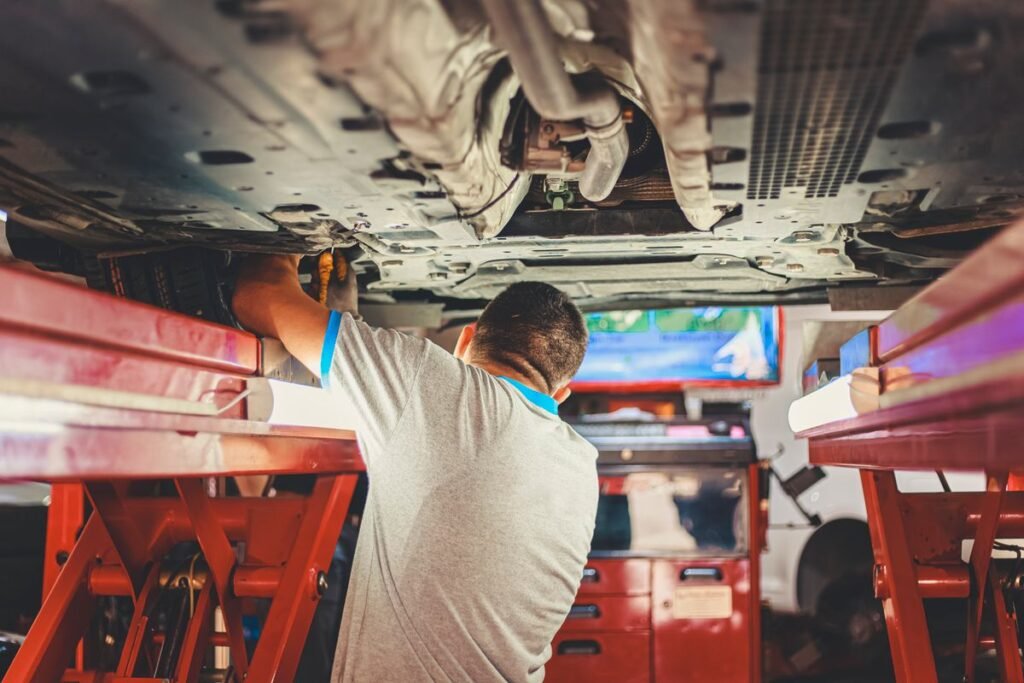
What is an engine splash shield, and when does it need replacing? An engine splash shield, also called an underbody shield or belly pan, is a flat panel fitted beneath the engine bay to block water, mud, road debris, and small stones from hitting the oil pan, belts, wiring, and other parts underneath the car. It also helps guide airflow for cooling and keeps the engine bay cleaner, which slows corrosion. The short answer: replace it if it is cracked, hanging down, scraping on the road, or missing a large section, because driving without it leaves expensive parts exposed. A professional replacement commonly costs 100 to 400 dollars in total for an ordinary car, while a simple do it yourself job commonly costs 35 to 180 dollars in parts, based on current cost guides checked during this run. A loose shield can often be refitted with new clips for far less, so check the fixings first before ordering a full panel.
Most splash shields are moulded plastic, with some cars using a fibre composite panel and some performance or off road models using a heavier metal skid plate. A true skid plate is thicker and built to take impacts, while a standard splash shield is built to deflect spray and debris, not to survive a hard rock strike. That difference matters when you shop for a replacement, because a cheap universal panel that does not match your model can leave gaps, flap at speed, or rub against moving parts. Your action: order by exact year, make, model, and engine where possible, and check the part against the old panel before fitting, because a close fit is not a correct fit.
Signs your splash shield is damaged
The most obvious sign is scraping or dragging, especially over speed bumps, driveways, or uneven roads. You may also hear a flapping or rattling noise at speed, see a panel hanging below the bumper line, or find clips and screws on the ground after parking. After a curb strike, a deep pothole, or driving through deep snow or standing water, check underneath the front of the car with a torch before your next long trip. Your action: if a corner is hanging, do not pull it off by force and do not drive at highway speed with it flapping, because a loose panel can tear free, hit a tire, or damage wiring as it moves.
A missing shield is harder to spot, because the car may drive normally at first. Look underneath the front bumper area for an open gap where a panel should sit, and check for fresh scrape marks on the oil pan or lower engine parts during servicing. Your action: ask the shop to check the underbody panels at the next oil change if you suspect a shield is missing, because that check takes only a minute on a lift and can prevent a costly debris strike later.
Can you drive without a splash shield
You can drive short distances on clean, dry roads without immediate danger, but you should not treat a missing shield as a permanent condition. Without it, water, salt, grit, and stones reach belts, sensors, wiring connectors, and the oil pan directly, which speeds corrosion and raises the risk of damage from road debris. Airflow under the car also changes, which can affect cooling and increase wind noise. For suspension and underbody parts that share this exposure, read our guide on car suspension repair and note how often road damage starts with a small part that was left unrepaired. Your action: keep trips short and slow until the shield is fixed, avoid gravel roads, deep puddles, and snow packed roads, and book the repair within days rather than months.
A temporary fix can help if the panel is intact but loose. New clips and screws commonly cost 5 to 30 dollars, and a shop can often refit a loose panel in under half an hour. Your action: if only a few clips are missing and the panel itself is not cracked, buy the correct clip kit for your model and refit it promptly, rather than paying for a full panel you do not need.
What replacement costs and what affects the price
Parts prices vary widely by model. An aftermarket splash shield commonly costs 30 to 150 dollars, an original equipment shield commonly costs 80 to 300 dollars or more, and a premium or luxury underbody assembly can cost 350 to 700 dollars for the part alone. Professional labour commonly takes 0.5 to 1 hour for a simple panel, with total installed cost commonly 100 to 400 dollars for an ordinary car, and 500 to 900 dollars or more for a complex premium assembly. Fastener kits, side panels, and fender liners add to the total if they are also damaged. Your action: ask for a quote that lists the main panel, each side panel, and the fastener kit separately, so you can see whether a high quote is driven by the part, the labour, or extra panels.
Do not choose a universal panel unless fitment is confirmed for your exact model. A panel that is too short leaves the oil pan exposed, a panel that is too long can rub, and a panel with the wrong mounting points will work loose again. Your action: compare the mounting holes and cutouts of the new panel with the old panel before fitting, and return it at once if the holes do not line up, because forcing a fit creates the next rattle and the next failure.
How to replace a splash shield safely
Replacement is a moderate do it yourself job if you have jack stands, a socket set, and a safe flat surface, and it usually takes 30 to 60 minutes. Raise the front of the car correctly, support it on jack stands, and never work under a car held up by a jack alone. Remove the old clips and screws carefully, because brittle clips often break and old screws can seize. Clean the mounting area, align the new panel hand tight first, then tighten all fixings evenly and check that no edge hangs below the bumper line. Lower the car and take a short slow test drive, listening for flapping or scraping. For safe wheel and underbody work basics, read our guide on how to change a tire and follow its jack stand safety steps before working underneath any car. Your action: if you lack jack stands, proper tools, or confidence working under a car, pay a shop for the job, because the labour cost is small compared with the risk of working under an unsupported vehicle.
After fitting, check the panel again after a week of normal driving. Clips can settle, and a panel that seemed tight on the lift can develop a rattle once it has seen bumps and heat cycles. Your action: recheck all fixings, look for new scrape marks, and return to the shop promptly if any corner starts to hang, because a quick clip replacement now prevents a full panel replacement later.
Frequently asked questions
Is a splash shield the same as a skid plate
No, although the names are often used loosely. A splash shield is a light panel that blocks spray and debris, while a true skid plate is a heavy metal plate built to protect the underbody from impacts off road. Your action: buy the part type your car was built with unless you have a clear off road reason to upgrade, and check that any upgrade still leaves access for oil changes and servicing.
Can a damaged splash shield cause other problems
Yes, indirectly. A loose panel can flap against belts or wiring, trap moisture against metal parts, and expose the oil pan and sensors to debris and salt. Your action: treat a hanging or cracked panel as a repair to schedule within days, not as cosmetic damage to ignore, and ask the shop to check the oil pan and nearby wiring while the car is on the lift.
Should I replace the clips as well as the panel
Yes, in most cases. Old clips become brittle and often break during removal, and reusing them is a common reason a new panel works loose. Your action: order a fresh fastener kit with the panel, replace all clips rather than only the broken ones, and keep any spare clips in the glovebox for a roadside refit if a corner comes loose on a trip.
An engine splash shield is a small part that protects expensive parts underneath your car. Check it after impacts and deep water, refit a loose panel with fresh clips, replace a cracked or missing panel with an exact fit part, and never work underneath a car without proper supports. That simple habit keeps a 100 to 400 dollar repair from becoming a debris damaged oil pan or wiring bill.
Pingback: Why Is My Car Making a Rattling Noise?