
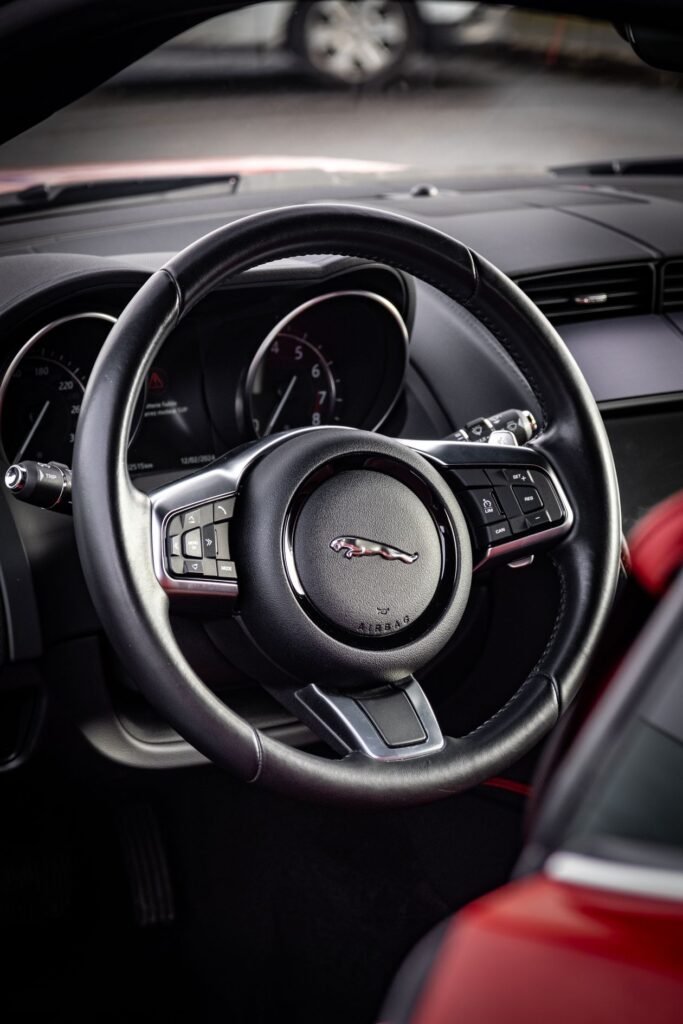
You press the horn and nothing happens. No sound, no warning for the driver drifting into your lane, just silence at the exact moment you need a voice for your car. This guide shows you how to fix car horn problems step by step, starting with the cheap parts that fail most often, and it will show you exactly where to stop and let a mechanic take over. But first, which single cheap part causes more silent horns than any other?
Here is the direct answer. In most cases, to fix a car horn you start with the fuse, then the relay, then the horn itself and its wiring. A blown fuse or a failed relay is the most common cause, and both are cheap and quick to check. If the fuse and relay are sound, the fault is usually a failed horn unit, a loose or corroded connector, or a fault inside the steering wheel, and that last one is a job for a professional because the airbag lives there. It is a small fault that feels strangely helpless, because the one control meant to warn other drivers has gone quiet.
Take a real example before you pick up a tool. RepairPal lists a horn replacement for a 2018 Toyota Camry at 161 to 189 dollars, with about 100 dollars for the part and 61 to 90 dollars for labor. That shows how much of the bill is the job itself rather than the part, and it is also why the cheap checks in this guide matter. A fuse costs a few dollars. A relay costs a little more. Finding the fault yourself, even if a mechanic does the repair, can save you a diagnostic fee and a needless part swap. Read the whole guide first, then work through the checks in order, and do not open the steering wheel at any point.
How a Car Horn Works in Plain Terms
A car horn is a simple circuit with a small number of parts, and that simplicity is good news. When you press the horn pad, a switch in the steering wheel sends a small signal through a coiled cable called a clock spring, then to a relay, and the relay sends full power to the horn itself. The horn is usually a pair of metal discs or a single unit mounted behind the front grille or bumper, close to the radiator, where it can project sound forward. A fuse sits in the circuit to protect the wiring, and the whole system runs on the 12 volt supply from the battery.
Each part can fail in its own way, and the symptom tells you where to look. A blown fuse kills the circuit at once. A failed relay means the signal never reaches the horn. A corroded connector starves the horn of power, so it sounds weak or works only sometimes. A failed horn unit makes no sound at all even when power reaches it. A worn clock spring breaks the connection inside the steering column, so the horn dies along with other steering wheel controls. Knowing this chain matters, because it tells you the order to test in, cheapest and easiest first, and it stops you replacing the horn when the real fault is a five dollar fuse.
One more fact helps you judge the job. Most horns are easy to reach once you know where to look, but some sit behind the bumper or inside a wheel arch, and those need a lift and trim removal. That is not a reason to give up on the checks. It is a reason to do the fuse and relay checks first, because those take minutes and need no lifting at all. Once you understand the chain from the button to the horn, you can test each link in turn, and the next section shows you how to read the symptom before you touch anything.
First, Work Out What Kind of Silence You Have
Do not start pulling fuses until you know exactly what the horn does and does not do, because the symptom narrows the fault fast. Press the horn with the engine off and the key on, then again with the engine running, and note the result. Press it in the centre of the pad, then at the edges, and note whether the spot you press changes anything. Turn the steering wheel a quarter turn and press again, then turn it the other way and press once more. Each of these small tests costs nothing and each one points at a different part of the circuit.
A horn that makes no sound at all, in any position, usually means a blown fuse, a failed relay, a dead horn unit or a broken feed to the horn. A horn that sounds weak, thin or muffled usually means the horn unit itself is failing, one of a pair of horns has died, or the connector is corroded and the horn is getting low power. A horn that works only sometimes, or only when the wheel is straight, usually means a worn clock spring or a loose wire in the steering column, and that is a professional job. A horn that stays on by itself, or sounds without being pressed, is urgent. Pull over safely, switch the engine off, and book a mechanic, because a stuck horn can point to a jammed switch or a short circuit, and it will drain the battery and alarm everyone around you.
Listen for other clues while you test. A faint click from the fuse box area when you press the horn usually means the relay is working and the fault is further along the circuit, at the horn or its wiring. No click at all usually means the signal is not reaching the relay, so the fuse, the relay or the steering wheel switch is the suspect. If the horn sounds fine when you test it directly with power, which a mechanic can do in minutes, then the horn itself is sound and the fault is in the circuit feeding it. If other electrical items act up at the same time, such as dim lights or a slow start, the battery may be weak, and our guide to car battery problem signs can help you tell a battery fault from a horn fault. If your car makes other odd noises, our guide to car sounds can help you tell a horn fault from a different problem. Once you have a clear picture of the symptom, you know which check to start with, and the fuse box is the first stop.

Check the Horn Fuse First
The fuse is the cheapest part in the whole circuit and the most common cause of a silent horn, so check it before anything else. A fuse is a small plastic plug with a metal strip inside, and it is designed to break when too much current flows, which protects the wiring from heat and damage. When the strip breaks, power stops, and the horn goes quiet. Fuses also age, and a fuse can fail after years of heat and vibration even when nothing else is wrong.
Find the fuse box with your owner manual, because the location changes from car to car. Most cars have a fuse box under the hood near the battery and a second one inside the cabin, often under the dashboard on the driver side or behind a small panel. The lid of the fuse box, or the diagram in the owner manual, shows which fuse protects the horn circuit, and it may be marked HORN. Never guess. Pulling the wrong fuse can stop another system, and fitting the wrong rating can damage the wiring, so read the diagram first and match the label exactly.
Switch the engine off before you touch the fuse box. Pull the horn fuse with the fuse puller, which is often clipped inside the fuse box lid, or with small pliers if your car has no puller. Hold the fuse up to the light and look at the metal strip inside the clear plastic body. If the strip is broken, blackened or melted, the fuse has blown. Replace it only with a new fuse of the exact same rating, printed on the top of the fuse and shown in the manual. Push the new fuse firmly into the same slot until it sits flat, then press the horn and listen. If the horn sounds, you have found the fault, and the job is done. If the new fuse blows at once, or blows again within a day, stop and book a mechanic, because a fuse that keeps blowing means there is a short circuit in the wiring, and a bigger fuse will not fix it, it will only let the wiring overheat. If the fuse is sound, with an unbroken strip, put it back and move on, because the fault is further along the circuit, and the relay is next.
Check the Horn Relay Next
The relay is a small plug in box, usually in the same fuse box as the horn fuse, and it acts as a heavy duty switch. The horn button sends it a small signal, and the relay closes and sends full battery power to the horn. Relays wear out with age and heat, their contacts corrode, and a failed relay is the second most common cause of a silent horn. It is also cheap, and on many cars you can test it in a minute without any tools beyond your fingers.
Find the relay with the fuse box diagram, where it is usually marked HORN or shown as a small square block. With the engine off, pull the relay straight out of its socket and look at the pins for corrosion, green crust or bent metal. Clean light corrosion with a dry cloth, and do not force a bent pin back with force, because a cracked pin will fail again. Now listen while a helper presses the horn, or press it yourself and listen near the fuse box. A healthy relay makes a clear click as it closes. No click, with a good fuse, points at the relay or the signal from the steering wheel.
The simplest test is a swap. Many cars use the same type of relay for several circuits, such as the horn and the air conditioning or the lights, and the diagram or the part number on the relay tells you which ones match. Swap the horn relay with an identical relay from a circuit you know works, press the horn, and watch the result. If the horn sounds, buy a new relay of the exact same type and fit it in the horn socket, then put the borrowed relay back where it came from. If the horn still stays silent, the relay is probably sound, and the fault is at the horn or in the wiring between the relay and the horn. Never swap a relay that looks different, has a different part number or has a different number of pins, because the wrong relay can damage the circuit. And never bypass a relay with a wire or a paper clip to test the horn, because that removes the protection the relay and the fuse provide. If the fuse and the relay both check out, the horn itself is the next suspect, and the next section shows you how to find it safely.
Find the Horn and Check Its Connector and Wiring
The horn usually sits behind the front grille, behind the bumper or inside the front wheel arch, close to the radiator. Your owner manual or a model specific repair guide shows the exact spot, and a quick look from above with the hood open often shows it, or shows the wiring running down to it. On some cars you can reach the horn and its connector from above with the hood open. On others you need to remove a small trim panel or the inner arch liner, and if the car needs lifting, leave that part to a mechanic rather than working under a car held up by a jack alone.
With the engine off, find the connector where the wiring meets the horn. It is a plastic plug that pushes onto the horn terminals. Pull it off gently, look inside for corrosion, green or white crust, moisture or a loose fit, and look at the wires for cracked insulation, rubbing against a sharp edge, or a wire that has pulled free. Clean light corrosion with electrical contact cleaner and a soft brush, let it dry fully, then push the connector firmly back on until it clicks or sits tight. A loose connector is a common cause of a horn that works sometimes and fails on a bumpy road, so make sure it cannot wobble. If the wiring is cut, melted or badly corroded, do not tape it up and hope for the best. Book a mechanic, because a wiring repair needs the damaged section cut out and joined properly, and a poor join will fail again or short out.
Also check the ground wire, which is the wire that connects the horn circuit back to the body of the car. A corroded ground point, often a bolt on the body near the horn or the battery, can starve the horn of power even when the fuse, relay and horn are all sound. If you can see the ground bolt, check that it is tight and the metal under it is clean, but do not remove parts you cannot reach safely or cannot refit. If the horn looks swollen, cracked or full of water, it has probably failed inside, and no amount of connector cleaning will bring it back. That is the point where you decide between a do it yourself horn swap, if you can reach it safely from above, and a shop job, and the cost section below will help you weigh that choice. But before you order any part, read the next section, because a fault in the steering wheel changes everything.
Test the Horn Button and Know When to Stop
The horn button is part of the steering wheel, and that is where the safe do it yourself work ends. Inside the wheel sits the airbag, and the clock spring behind it carries the signals for the horn, the airbag and the steering wheel controls. A clock spring wears out as the wheel turns back and forth over years, and when it fails, the horn often dies at the same time as the cruise control buttons, the audio controls or the airbag warning light comes on. That combination is a strong clue that the clock spring is the fault.
You can test for it without opening anything. Press the horn with the wheel straight, then turn the wheel a quarter turn each way and press again. If the horn works in one wheel position and not in another, or if it dies when other steering wheel controls also stop working, the fault is almost certainly inside the column. Note the result and stop there. Do not remove the steering wheel, do not prise off the horn pad, and do not probe around the airbag. An airbag can deploy with enough force to cause serious injury, and it can deploy even with the battery disconnected if the system still holds a charge, so this work belongs to a trained technician with the right tools and the right procedure. The same rule applies if the airbag warning light is on. That light means the airbag system has a fault, and only a mechanic with a scan tool should work on it.
There is one more steering wheel test you can do safely. If the horn works when you press one side of the pad but not the other, the horn switch contact may be worn, and that is still a steering wheel job, because reaching the switch means working around the airbag. Write down what you found, which positions worked and which did not, and give that note to the mechanic, because it saves diagnostic time and it shows the fault is in the column rather than at the horn. Knowing when to stop is not giving up. It is the difference between a cheap relay swap and a dangerous mistake, and the next section puts a price on each possible repair so you can plan the visit.
What a Horn Repair Costs
Cost depends on which part failed, and the range is wide, from a few dollars for a fuse to several hundred dollars for a steering column repair. That is why the checks above matter. You do not want to pay for a new horn when the fault was a fuse, and you do not want to guess at a clock spring when a relay would have fixed it. The figures below are national averages from RepairPal, checked during this run, with part costs from common retail ranges, and they vary by car, by area and by shop. Taxes and diagnostic fees are not included in the shop totals, so treat the figures as a guide for planning, not as a quote.
| Repair | Typical part cost | Typical total at a shop |
|---|---|---|
| Fuse replacement | 1 to 5 dollars | 50 to 100 dollars, often inside a diagnostic fee |
| Relay replacement | 10 to 30 dollars | 73 to 92 dollars |
| Horn unit replacement | 20 to 75 dollars | 195 to 247 dollars |
| Wiring repair | 10 to 30 dollars for materials | 80 to 200 dollars |
| Electrical diagnosis | Not a part | 122 to 179 dollars |
| Clock spring replacement | 50 to 250 dollars or more | 510 to 567 dollars |
Read the table as a decision tool. A fuse is a do it yourself fix for a few dollars, and it is the first thing to try. A relay is a cheap part and a quick swap, and at a shop it usually stays under 100 dollars. A full horn replacement is the middle of the range, at 195 to 247 dollars nationally from RepairPal, and the exact figure moves with your car, because some horns are easy to reach and some sit behind the bumper, which adds labor time. RepairPal lists a 2018 Toyota Camry at 161 to 189 dollars for the same job, which shows how much the car itself changes the bill. A wiring repair depends on how much wire is damaged and how hard it is to reach, so get an itemised quote before the work starts. A clock spring is the expensive case, at 510 to 567 dollars from RepairPal, because the steering wheel must come off, the airbag must be handled safely, and the new part must be fitted and centred correctly.
Ask the shop for a quote that separates parts, labor and diagnosis, and ask whether the diagnostic fee is waived or counted toward the repair if you go ahead with the work. Many shops count it toward the repair, and many do not, so ask before they start. If the quote is close to the top of the range, ask what makes your car different, such as a bumper removal or a dealer only part. If you buy the part yourself, check that the shop will fit a part you supply, because some shops will not, and a wrong part can cost more in labor than it saves on the shelf. If the car is still under warranty, check the warranty first, because a horn fault may be covered and a do it yourself repair could affect the claim. With the costs clear, the next question is simpler, and it is about safety rather than money.
When to Book a Mechanic at Once
Some horn faults can wait a day or two while you check the fuse and relay. Others should go straight to a mechanic, and knowing the difference keeps you safe. Book a mechanic at once if the horn stays on by itself, if a new fuse blows immediately, if you smell burning or see melted plastic or damaged wiring, or if the airbag warning light is on. Each of those points to a short circuit or an airbag fault, and both can get worse quickly if the car keeps running. A stuck horn will also drain the battery if you leave it, so switch the engine off and disconnect nothing under the hood unless you know exactly what you are doing. If you must drive to the shop, drive carefully and use your lights and signals early, because you have no audible warning for other drivers.
Book a mechanic soon, within the week, if the fuse and relay are sound and the horn still does not work, if the horn works only in one steering wheel position, or if other steering wheel controls have stopped working at the same time. Those signs point to the horn unit, the wiring or the clock spring, and each one needs testing with tools you are unlikely to have at home. Book a mechanic soon too if the horn is behind the bumper or inside the wheel arch and you cannot reach it safely from above. A shop has a lift and the trim tools to reach it without breaking clips or scratching paint, and the labor for access is usually a small part of the bill.
You can keep driving while you wait for a booked repair, but drive with the fault in mind. Leave more space, signal earlier, and avoid situations where you would normally rely on a quick horn blast, such as blind junctions and tight parking lots. Do not use the horn as a substitute for looking, and do not lean on it in anger, because a weak or silent horn will not warn anyone. If the car is due a safety inspection, fix the horn first, because in many places a working horn is part of the inspection, and a silent horn can fail the check. Once the repair is booked, there is one more useful step, and that is to keep the horn healthy so you do not face the same silence again.
How to Keep Your Horn Working Longer
A horn is a simple part, and a little care goes a long way toward keeping it working. Use the horn now and then, with a short press, rather than leaving it unused for months. A horn that never sounds can stick or corrode inside, especially in damp weather, and a short press every few weeks keeps the contacts clean and shows you at once if the sound has gone weak. Do not hold the horn down for long blasts, because heat builds up in the horn and the circuit, and long blasts wear the unit out faster than short warnings.
Keep the front of the car clean, and wash road salt and mud away from the grille and bumper area in winter, because salt and water are the main causes of corrosion on the horn and its connector. If you drive through deep water, check the horn afterwards, because water can get into a low mounted horn and leave it muffled or silent. Park under cover when you can, and if the car sits unused for weeks, start it now and then and press the horn once to check it still sounds. Check the battery too, because a weak battery can cause electrical faults across the car, and if you ever need a new one, our guide to car battery replacement cost shows what a replacement usually costs.
Finally, treat any change in the horn sound as an early warning. A horn that turns thin, quiet or rough is telling you the unit is wearing out or the connector is corroding, and fixing it now is cheaper than waiting for silence. Note the date when you change a fuse or a relay, and keep the old part, because a mechanic can learn a lot from a blown fuse or a burnt relay. A little attention now saves a bigger bill later, and it keeps the one control that speaks for your car ready when you need it. If you are still unsure about any step in this guide, the questions below cover the points drivers ask most often.
Frequently asked questions
Why did my car horn stop working suddenly?
A sudden silence usually means a blown fuse, a failed relay or a failed horn unit, and the fuse is the most common cause. Check the fuse first, then the relay, then the horn connector and wiring. If the horn works only in one steering wheel position, or other steering wheel controls have stopped too, the fault is likely the clock spring, and that needs a mechanic because the airbag is involved.
How much does it cost to fix a car horn?
RepairPal puts a full horn replacement at 195 to 247 dollars nationally, a relay replacement at 73 to 92 dollars, and a clock spring replacement at 510 to 567 dollars, with an electrical diagnosis at 122 to 179 dollars. A fuse costs only 1 to 5 dollars as a part. The exact bill varies by car and by area, so ask for a quote that separates parts, labor and diagnosis.
Can I drive with a horn that does not work?
Yes, you can drive, but do it with care, because you have no audible warning for other drivers. Leave more space, signal earlier, and avoid relying on the horn at blind junctions. In many places a working horn is part of a safety inspection, so fix it before an inspection is due, and book a mechanic soon if the fuse and relay are sound.
Is a silent horn a fuse or a relay problem?
It is often one of the two, and the fuse is the first thing to check because it is the cheapest and quickest test. Look for a broken metal strip inside the fuse, and replace it only with a new fuse of the exact same rating. If the fuse is sound, test the relay next, and listen for a click when you press the horn. If both are sound, the fault is usually the horn unit, its wiring or the clock spring.