
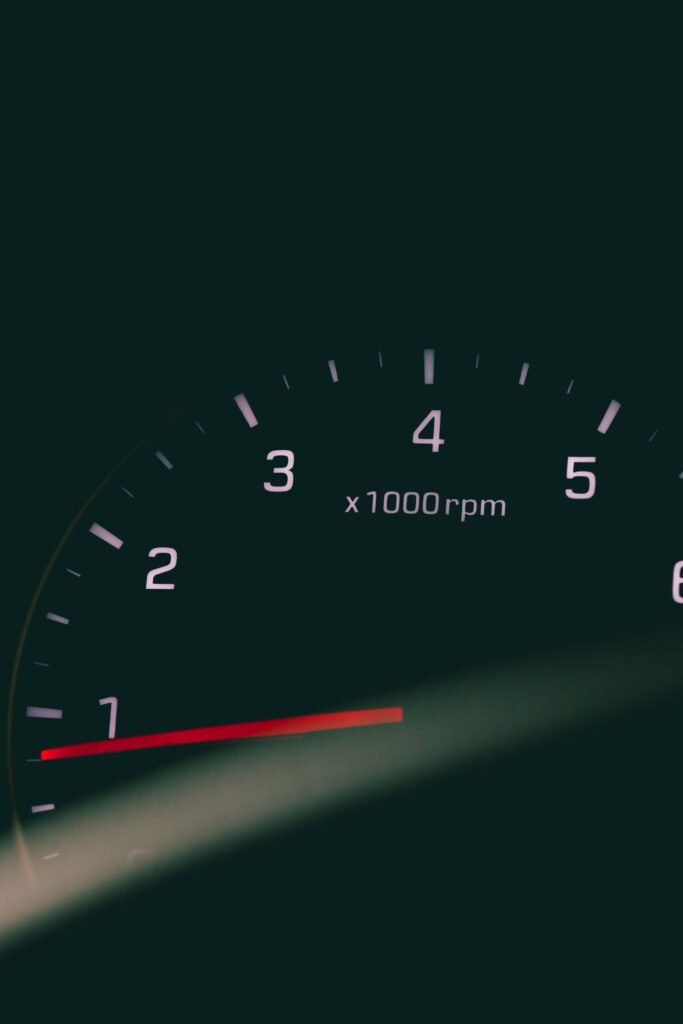
You are cruising at a steady speed, your foot is still on the gas pedal, and the rev counter suddenly climbs on its own, then drops, then climbs again, as if someone else is pressing the pedal. This guide will show you why RPM jumping happens, which causes you can check yourself in a few minutes, and which ones need a mechanic right away, so you can stop guessing and fix the right part the first time. But there is one cause that fools even good drivers, because it feels exactly like a transmission problem while the real fault sits in the engine, and you will find it in the causes section below, so keep reading before you book a transmission repair.
The direct answer is simple. RPM jumping means your engine speed is rising and falling without a matching change in your speed or your foot on the pedal, and the most common causes are a vacuum leak, a dirty throttle body or idle air control valve, worn spark plugs or a failing ignition coil, a faulty sensor, or a slipping transmission. Start with the cheap checks first, read the fault codes, look for a hissing leak and check the spark plugs, because most jumping RPM cases come from air, fuel or spark problems that cost far less than a transmission rebuild.
If your stomach tightens every time the needle jumps, that worry is completely normal, because a car that revs on its own feels out of control, and nobody wants to be the driver whose car stalls in the middle of traffic. The good news is that most of the causes in this guide are common, well understood and fixable, and the checks below will help you narrow the fault down before you spend any money at all.
What RPM Jumping Means and What Normal Looks Like
RPM stands for revolutions per minute, and it is simply how fast your engine crankshaft is spinning. At idle, with the car stopped and the engine warm, most cars hold a steady speed between 600 and 900 RPM. While you drive, the needle should rise smoothly when you press the gas and fall smoothly when you lift off, always in step with your foot and your road speed. RPM jumping breaks that pattern. The needle climbs and falls on its own while your speed and your foot stay the same, or it surges up and down at a red light while the car shakes.
The engine computer, called the ECU, is trying to hold a steady balance of air, fuel and spark at all times. When something disturbs that balance, the computer overcorrects, adding fuel and air, then cutting them back, and each correction shows up as a jump on the rev counter. So the jumping needle is not the fault itself. It is the computer fighting a fault you cannot see, and your job is to find what it is fighting.
Watch when the jumping happens, because the timing points straight at the cause. Jumping only at idle points to air leaks, a dirty throttle body or a sticky idle air control valve. Jumping while you hold a steady speed on the highway points more toward the transmission or the torque converter. Jumping when you accelerate points toward spark plugs, coils or fuel delivery. Write down exactly when it happens before you visit a mechanic, because that one detail can save an hour of diagnostic time, and now that you know what to watch, the next section shows you the checks you can do yourself.
The Quick Checks You Can Do Before You Drive Anywhere
Do these checks in a safe place, with the car parked and the parking brake on. First, look at the dashboard for a check engine light. If it is on, a scan tool will read the fault codes, and a diagnostic scan at a shop usually costs 120 to 200 dollars, while many parts stores will read the codes free of charge. Codes for misfires, air leaks and sensor faults point straight at the sections below, so do not skip this step, because guessing without codes is how drivers replace good parts.
Second, listen with the hood open and the engine idling. A vacuum leak often makes a clear hissing or whistling sound around the rubber hoses and the intake manifold, and you can sometimes feel air being pulled in if you hold your hand near a cracked hose. Never reach near moving belts or the cooling fan while the engine is running. If you hear a hiss, you have likely found the problem, and the fix may be a single hose that costs far less than the parts people usually blame first.
Third, check the simple things. Look at the air filter, because a clogged filter starves the engine of air and can make the idle wander. Check the oil level and the coolant level, because very low oil or coolant can both disturb how the engine runs. Look under the car for fresh drips, and look at the spark plug wires and coil packs for cracks or loose connections if you can see them safely. If all of these look normal, the fault is deeper, and the causes below will take you through each one in order, starting with the cheapest fix of all.
The Most Common Causes, One by One
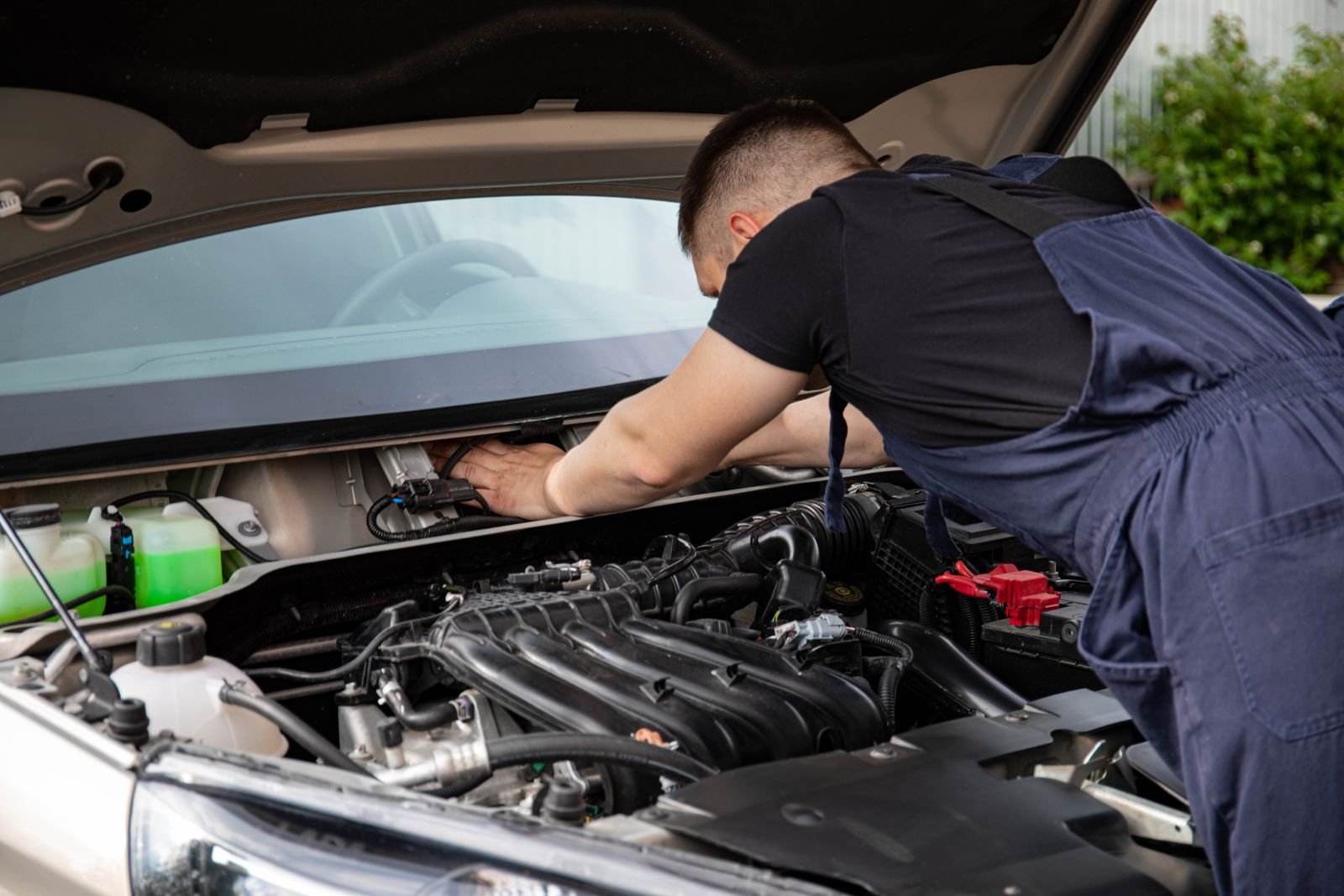
Work through these causes in order, from the cheapest and most common to the most expensive, because that order is how you avoid paying for a big repair when a small one would have done the job. Each cause below tells you the symptoms to look for, the check that confirms it and the typical repair cost, so you can decide what to do next instead of just reading about the problem.
1. Vacuum Leak
A vacuum leak lets extra air into the engine after the airflow sensor, so the computer does not know the air is there and the fuel mixture goes lean. The engine then hunts up and down as the computer tries to correct a mixture it cannot measure properly. The classic signs are a hissing sound, a rough or surging idle, stalling when you come to a stop, and RPM that drifts while you coast or hold a light throttle.
What to do: ask a shop for a smoke test, where harmless smoke is pumped into the intake system and escapes through the leak so it can be seen. A cracked hose or a loose clamp usually costs 100 to 250 dollars to replace, while an intake manifold gasket job usually costs 250 to 600 dollars depending on how buried the manifold is. Fix a vacuum leak first when you find one, because it can make every other test give a wrong answer, and once the air is sealed, the next cause on the list is the one to check if the needle still jumps.
2. Worn Spark Plugs or a Bad Ignition Coil
A worn spark plug or a failing ignition coil makes one cylinder misfire now and then. Each missed spark creates a tiny stumble in the engine, and the computer reads the stumble as a dip in RPM, then surges to catch up, which is exactly the jumping you see on the gauge. You will often feel a shake or a hesitation as well, and the check engine light may flash during a misfire, which means you should ease off the gas and get the car checked soon, because a flashing light means raw fuel is reaching the exhaust.
What to do: have the plugs inspected and replaced on schedule, and test the coils if one cylinder keeps misfiring. A full set of spark plugs usually costs 150 to 450 dollars depending on how many cylinders your car has and how hard the plugs are to reach. A single ignition coil replacement usually costs 200 to 500 dollars fitted. Plugs and coils are wear items, so if your car is past its service interval, this is a sensible place to spend money, and if the misfire is gone but the needle still moves, the throttle body is the next suspect.
3. Dirty Throttle Body or a Sticky Idle Air Control Valve
The throttle body is the valve that controls how much air enters the engine, and the idle air control valve is a small valve that lets just enough air past the closed throttle plate to keep the engine idling steadily. Over time both get coated in carbon, the valves stick, and the idle starts to surge up and down as the computer fights the sticking valve. This is one of the most common causes of jumping RPM at a standstill, and it is also one of the cheapest to fix.
What to do: a throttle body cleaning usually costs 100 to 250 dollars at a shop, and it is often done together with a service. A real example shows how small this fix can be. One driver fixed a jumping idle with a 15 dollar can of throttle body cleaner and about 30 minutes of work cleaning the idle air control valve, after a weekend of checking everything else. If cleaning does not steady the idle, the throttle position sensor or the accelerator pedal sensor may be at fault, and a sensor replacement usually costs 150 to 400 dollars, while a full electronic throttle body assembly can cost 400 to 800 dollars fitted. When the air path is clean and the idle still hunts, the sensors that measure that air are the next place to look.
4. Dirty or Failing Mass Airflow and Manifold Pressure Sensors
The mass airflow sensor, called the MAF sensor, sits just after the air filter and measures how much air is entering the engine, while the manifold pressure sensor, called the MAP sensor, measures pressure inside the intake manifold. The computer uses both readings to decide how much fuel to inject. When the MAF sensor gets coated with road grime, especially on cars with oiled air filters, it reads the airflow wrong, the fuel mixture goes rich or lean, and the RPM starts to wander.
What to do: a MAF sensor can often be cleaned with a dedicated sensor cleaner spray, which costs less than 20 dollars, and that simple clean fixes many cases. If cleaning does not help, a MAP sensor replacement usually costs 100 to 250 dollars, while a MAF sensor replacement usually costs 250 to 450 dollars because the part itself is more expensive. Never use brake cleaner on a MAF sensor, because it can damage the sensing wire, and once the air readings are trusted again, the fuel system is the next place the fault can hide.
5. Transmission or Torque Converter Slipping
Here is the cause that fools people, because it feels like an engine problem while the fault sits in the transmission. In an automatic car, the torque converter lockup clutch is supposed to hold solid once you reach cruising speed, but a worn or slipping clutch cycles in and out instead, so the RPM rises and falls slightly without any matching change in road speed. You will notice it most on a level highway or just as the transmission shifts, and the engine itself may be perfectly healthy.
What to do: check the transmission fluid level and condition first, because low or burnt fluid is the simplest cause of slipping, and a fluid service usually costs 150 to 400 dollars depending on whether it is a drain and fill or a full flush. If the fluid is fine and the slipping continues, a torque converter replacement is a much bigger job, usually 1200 to 3200 dollars. Before you agree to transmission work, make sure the engine causes above have been ruled out, because a vacuum leak or a bad sensor is far cheaper, and if the transmission is healthy, the fuel system deserves a look next.
6. Low Fuel Pressure or a Clogged Injector
A weak fuel pump, a clogged fuel filter or a failing fuel pressure regulator can starve the engine just when it needs a steady supply, and the RPM dips as the mixture goes lean, then recovers as pressure builds again. A dirty injector can do the same thing to a single cylinder. The signs are hesitation when you accelerate, a loss of power under load, and RPM that dips when you press the gas from a stop.
What to do: a fuel pressure test will show whether the pump and regulator are holding pressure. Injector cleaning usually costs 100 to 250 dollars, a single injector replacement usually costs 150 to 400 dollars per cylinder on port injected engines, and more on direct injection engines. A fuel pump replacement usually costs 400 to 1200 dollars, and a pressure regulator usually costs 200 to 500 dollars. Fuel problems are less common than air and spark problems, so check them after the earlier causes, and if the fuel system tests fine, the last two causes are sensors that report engine speed itself.
7. Failing Crankshaft or Camshaft Position Sensor
The crankshaft position sensor tells the computer how fast the engine is spinning and exactly where each piston is, and the camshaft sensor reports the position of the valves. If either sensor sends a wrong or intermittent signal, the computer can misread the engine speed, mistime the spark and the fuel, and the RPM gauge can jump even though the engine is turning steadily. A failing crankshaft sensor can also cause stalling and hard starting, and it often gets worse as the engine warms up.
What to do: a scan tool will usually show a fault code for a position sensor, and a resistance test can confirm it. A crankshaft position sensor replacement usually costs 175 to 275 dollars. This is a cheap part with a big effect, so do not overlook it when the codes point that way, and if the sensors are fine, one last cause remains, a small solenoid that controls valve timing.
8. Faulty Variable Valve Timing Solenoid
Variable valve timing, called VVT, adjusts when the valves open and close to match engine speed and load, and it is controlled by a small oil fed solenoid. When that solenoid sticks or fails, the valve timing can drift, the engine can surge or stumble at idle and under light throttle, and the RPM can jump as the computer tries to compensate. The fault often appears with a check engine light and a VVT related code, and it can be worse on a cold start or after the oil is overdue for a change, because dirty oil is a common reason these solenoids stick.
What to do: a single VVT solenoid replacement usually costs 200 to 600 dollars, and a fresh oil change with the correct grade is often done at the same time, because clean oil keeps the new solenoid working properly. If the oil is very dirty or the wrong grade, change it first and see whether the surging settles, because that simple step has fixed more than one VVT fault, and with the causes covered, the next section puts all the costs side by side so you can plan the repair.
What the Repair Usually Costs
The cost of fixing jumping RPM depends entirely on the cause, and the range is wide, from a can of cleaner to a torque converter. Use this table to set your expectations before you approve any work, and remember that these are national averages that vary by car, by region and by shop, so always ask for a written estimate first.
| Cause | Typical repair cost |
|---|---|
| Throttle body or sensor cleaning | Less than 20 dollars for cleaner, or 100 to 250 dollars at a shop |
| Vacuum hose or clamp | 100 to 250 dollars |
| Intake manifold gasket | 250 to 600 dollars |
| Spark plugs, full set | 150 to 450 dollars |
| Ignition coil, one | 200 to 500 dollars |
| Throttle position or pedal sensor | 150 to 400 dollars |
| Throttle body assembly | 400 to 800 dollars |
| MAF sensor | 250 to 450 dollars |
| MAP sensor | 100 to 250 dollars |
| Crankshaft position sensor | 175 to 275 dollars |
| VVT solenoid, one | 200 to 600 dollars |
| Fuel injector cleaning | 100 to 250 dollars |
| Fuel injector, one | 150 to 400 dollars |
| Fuel pump | 400 to 1200 dollars |
| Transmission fluid service | 150 to 400 dollars |
| Torque converter | 1200 to 3200 dollars |
Notice how many fixes sit below 500 dollars. That is why the order of diagnosis matters so much. A shop that starts with the expensive parts can easily quote you a transmission job for a fault that a 15 dollar can of cleaner would have fixed, so ask the shop to show you the fault code and the test result that points at the part they want to replace, and now that you know what the fix should cost, the next question is whether the car is safe to drive while you decide.
Is It Safe to Keep Driving With Jumping RPM?
It depends on how bad the jumping is. If the needle only wobbles slightly at idle and the car drives normally, you can usually drive carefully to a shop, but book the visit soon rather than putting it off for weeks. If the car stalls, loses power, shakes hard, or the check engine light is flashing, do not keep driving it. A flashing check engine light means a misfire is sending raw fuel into the exhaust, which can damage the catalytic converter, and a stall in traffic is a safety risk to you and to other drivers.
If the RPM jumps on the highway and the car feels as if it is slipping between gears, ease off the gas, avoid hard acceleration and high speeds, and get the transmission fluid checked as soon as you can. Driving with a slipping transmission can turn a fluid service into a full rebuild, so every mile you drive with slipping makes the repair more expensive. When in doubt, pull over in a safe place and call for a tow, because a tow costs far less than an engine or a transmission, and the next section shows you how to make the shop visit quick and cheap.
What to Tell Your Mechanic So the Fix Is Faster
Walk into the shop with facts, not just a feeling, and the diagnosis will be faster and cheaper. Tell the mechanic exactly when the jumping happens, whether it is at idle, at a steady highway speed, or when you accelerate, and whether the car stalls, shakes or loses power at the same time. Tell them whether the check engine light is on, flashing or off, and bring the fault codes if a parts store already read them for you.
Ask the shop to start with a scan, a smoke test for vacuum leaks and a check of the spark plugs and the throttle body, because those are the cheap tests that find the most common causes. Ask for the test result before you approve a part, and ask whether a cleaning or a simple service could fix it before a replacement. A good shop will welcome a driver who arrives with clear symptoms, and if the shop jumps straight to the most expensive repair without testing the cheap causes first, get a second opinion, because you now know the right order, and that knowledge is worth more than any single part in this guide.
If your car has a related symptom too, read our guide to transmission slipping to tell engine surging apart from a slipping gearbox, our guide to rough idle for the idle checks in more detail, and our guide to car jerks when accelerating if the jumping comes with a jolt when you press the gas.
Frequently asked questions
Why does my RPM jump up and down at idle?
The most common reasons are a vacuum leak, a dirty throttle body, a sticky idle air control valve, worn spark plugs or a faulty airflow sensor. Any of these disturbs the balance of air, fuel and spark at idle, and the engine computer overcorrects, which shows up as the needle moving up and down. Start with a scan for fault codes, listen for a hissing leak and check the throttle body, because those are the cheapest causes to rule out first.
Can a bad battery cause RPM jumping?
A weak battery can make the idle unsteady, because a failing battery forces the alternator to work much harder to keep the electronics running, and the extra load can disturb the idle. Have the battery and the charging system tested if the RPM jumps together with dim lights, slow cranking or a battery warning light. A battery test is quick and often free at a parts store, so rule it out before you pay for engine parts.
Is RPM jumping the same as transmission slipping?
Not always, and telling them apart matters, because the repairs are very different. If the needle jumps while the car is stopped or at idle, the cause is almost always in the engine, in the air, fuel or spark systems. If the needle jumps while you hold a steady speed on the highway and the road speed does not change with it, the torque converter or the transmission is more likely to be slipping. Note when it happens and share that with your mechanic.
How much does it cost to fix jumping RPM?
Most fixes cost between 100 and 600 dollars, including a throttle body cleaning, a vacuum hose, spark plugs, a sensor or a VVT solenoid. Fuel pump and throttle body assembly jobs can reach 400 to 1200 dollars, and a torque converter replacement usually costs 1200 to 3200 dollars. Always ask for the fault code and the test result behind the quote, and fix the cheap causes first.