
Steering Wheel Warning Lights Explained: What to Do First and When to Stop Driving
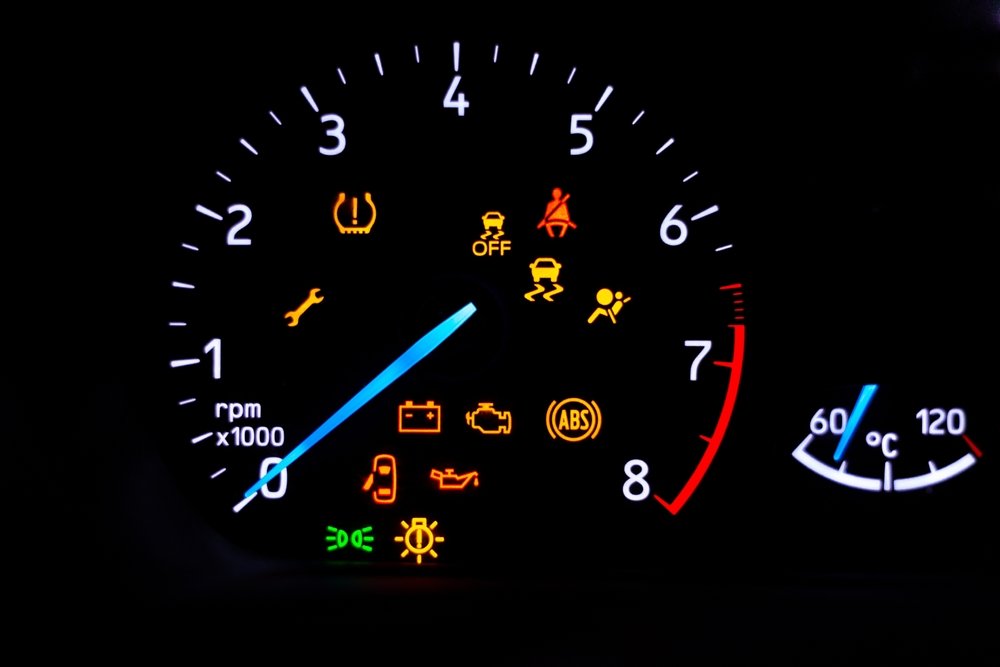
If a steering related warning light comes on, your first decision takes less than a minute. If the light is red, or the steering suddenly feels heavy, loose, or unresponsive, pull over safely as soon as you can and stop. If the light is amber, the steering still feels normal, and no other warning is flashing, you can usually drive slowly and carefully to a safe place or a nearby garage, then arrange a check without delay. Colour, feel, and change together decide the action, not the symbol alone.
Start with colour and feel
Dashboard lights use colour for a reason. Red usually means stop and check now. Amber usually means check soon and drive with care. Green and blue usually mean a system is switched on. That rule is useful, but feel matters just as much. A red light with normal steering still means stop, because the system is warning you before feel changes. An amber light with heavy steering means treat it like a red light, because control has already changed. Action to take in the first minute: ease off the accelerator, avoid sharp turns and hard braking, look for a safe place to stop, and note whether the light stays on, flashes, or goes out when you restart the car. Do not restart repeatedly in traffic to test it.
The triangle warning light
A triangle with an exclamation mark inside is a general warning, not a single fault. It often appears with another message or another light that names the real issue, such as traction control, stability control, or a general system fault. The decision is to read the full message, not to guess from the triangle alone. If your car shows a message on the screen or in the driver display, read it before you drive on and note the exact words. If the triangle appears with a steering symbol, a brake warning, or a loss of assistance, treat it as a stop case. If it appears alone, the steering feels normal, and it clears after a restart, still book a diagnostic check, because a fault that clears can return at a worse moment. For a detailed breakdown of this symbol, read our triangle warning light guide.
The steering wheel symbol
A steering wheel symbol, sometimes shown with an exclamation mark beside it, usually points to the power steering system. In cars with electric assistance, it can mean the assistance has reduced or stopped. In cars with hydraulic assistance, it can point to low fluid, a pump issue, or an electrical fault in the assistance system. The practical test is simple and safe only if you are already parked. Turn the wheel slowly and feel whether assistance is present. If the wheel is very heavy, do not force it through a long drive. Arrange help or a short careful move to a safe nearby location if the car can be moved safely at very low speed. If assistance feels normal but the light stays on, drive with extra care to a garage and avoid motorway speed, because assistance could drop without warning.
When to stop driving at once
Stop at once if any of these are true: the steering feels heavy, loose, or jerky; the car pulls strongly to one side; the wheel does not return after a turn; a red warning stays on; or a warning light is paired with smoke, a burning smell, a fluid leak, or an unusual noise. Pull over in a safe place, switch off the engine, and switch on hazard lights if it is safe to do so. Do not open the bonnet on a busy road and do not try to top up fluid in traffic. The action after stopping is to call for assistance or arrange recovery, and to tell the recovery service exactly what light appeared and how the steering felt. That detail helps them decide whether the car can be driven to a garage or needs to be recovered.
When a slow drive to a garage is reasonable
A slow drive is reasonable only when the light is amber, the steering feels normal, the brakes feel normal, and no other red warning is on. Keep speed low, avoid motorways and busy junctions if you can, keep both hands on the wheel, and go to the nearest suitable garage rather than your preferred garage miles away. If anything changes on the way, such as heavier steering, a new light, or a strange noise, stop and reassess. The goal is to reach help without turning a warning into a breakdown. If you are unsure at any point, stopping is always the safer choice, and a recovery call costs far less than a loss of control.
Checks you can do safely
Once you are parked safely, you can do a few calm checks. Look at the dashboard message in full, check whether the light returns after a careful restart, and look under the car for a fresh fluid puddle without touching hot parts. Check tyre pressures only if you have a safe place and a gauge, because a very low tyre can change steering feel and can trigger a related warning. Do not disconnect the battery to clear a light, do not ignore a light because it went out once, and do not use a code reader to clear a fault before a mechanic has seen it, because clearing the code can erase the clue that explains the fault. The best record is a short note: light colour, symbol, message words, steering feel, speed, and whether a restart cleared it.
What to ask at the garage
Ask the garage to read the stored fault codes before clearing anything, to test steering assistance at parking speed and at town speed, and to check fluid level and condition where your car uses hydraulic assistance. Ask what caused the light, not only what part will be replaced. If the garage says no fault was found, ask them to note the codes that were stored and to advise whether a further check is needed if the light returns. Keep that note with your service records. A warning light that returns after a clear is a pattern, and a pattern is easier to diagnose when every visit is recorded. For a broader look at steering feel and common wheel problems, read our steering wheel guide.
Questions and answers
What should I do first when a steering warning light comes on?
Ease off the accelerator, avoid sharp turns, and look for a safe place to stop or slow down. Note the light colour, the symbol, any message words, and how the steering feels. Red or changed steering means stop. Amber with normal steering means drive slowly to help and book a check without delay.
Can I keep driving if the triangle warning light is on but steering feels normal?
You can drive slowly and carefully to a safe place or a nearby garage, but do not treat normal feel as proof that nothing is wrong. Read any accompanying message, book a diagnostic check, and stop at once if steering feel changes or another warning appears.
Should I clear a steering warning light myself?
No, do not clear it before a mechanic has read the stored fault codes. Clearing the light can erase the clue that explains the fault. Let the garage read the codes first, explain the cause, and then clear the light after the check or repair.