
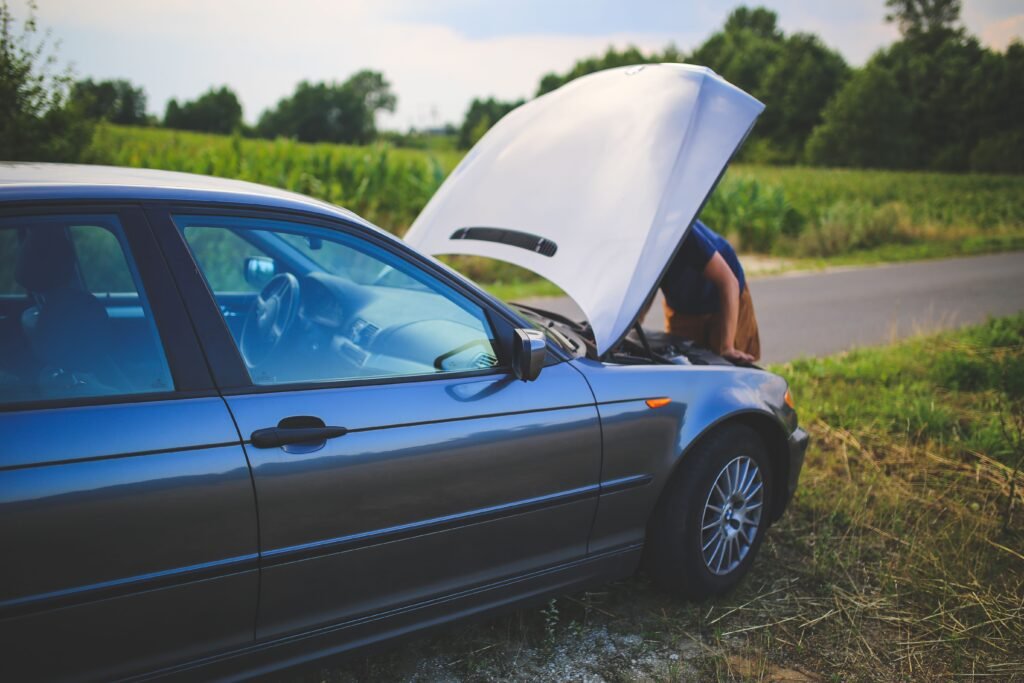
Whats wrong with my car is a question that feels urgent, vague, and stressful all at once, especially when the car will not start, a warning light appears, or a new noise starts on a busy road. Your direct answer is this: do not start with a part name or a repair video. Start with two decisions, will it start or not, and is it safe to drive or not, then run a ten minute safe check, then decide drive, book, or tow, and take a clear note to the mechanic. This guide is a decision tree, not another symptom list. Follow it branch by branch, and you will reach a safe next step for any problem with the car, whether it is a no start fault or a running fault.
Decision tree, step 1: will it start or not?
This first branch splits the whole problem in two, because no start faults and running faults need different checks and different urgency. Your action is to answer honestly, then follow only the branch that matches your car right now.
Branch A: It will not start, or it starts and dies at once. Go to the no start branch below. Do not jump to the running fault branch, because a car that will not start needs starting, battery, fuel, and security checks first, not a road test.
Branch B: It starts and runs, but something is wrong while running, such as a warning light, noise, leak, smell, vibration, power loss, or handling change. Go to the running fault branch below. Do not try to diagnose a running fault by repeatedly starting and stopping the car, because that can hide the pattern and drain the battery.
Branch A: no start faults, in order
Work through these steps in order, and stop at the first step that gives you a safe answer or a clear booking decision. Do not keep cranking the engine for long periods, because that can drain the battery and flood some engines.
- Safety and basics. Action: check the car is in park or neutral, with the handbrake on, and that you have fuel. It sounds too simple, but a car in gear, a flat key battery on a push button car, or an empty tank are common, honest causes of a no start, and they cost nothing to check.
- Lights and electrics. Action: note whether dashboard lights come on, whether headlights are bright or dim, and whether you hear a click, a slow crank, or nothing at all. Bright lights with a click often point in a different direction from dim lights with a slow crank, and that note helps a mechanic enormously.
- Key and security. Action: try a spare key if you have one, check the key battery if your manual shows a simple method, and note any security or immobiliser light. If a security light stays on, do not keep trying random key tricks. Book a diagnosis, because immobiliser faults need proper tools.
- Battery and connections, visual only. Action: look for a swollen, leaking, or strong smelling battery, and do not touch it if any of those are present. If the battery looks normal but the car will not start, book a battery and charging check, and consider a jump start only if your manual allows it, you have proper leads, and you are confident in the safe method. If you are not confident, get help rather than risking damage.
- Fuel and recent changes. Action: note your last fuel fill, any recent service or repair, and whether the car ran normally before it stopped. A car that stopped after a fuel fill, a service, or a long sit tells a different story from a car that has been hard to start for weeks, and that history matters.
- Decide help or garage. Action: if the car will not start, or if it starts and dies repeatedly, arrange help or a garage visit rather than pushing the car into traffic or trying repeated starts. Tell the helper or garage your Branch A notes, so they bring the right tools and do not waste a visit.
Branch B: running faults, in order
If the car starts and runs, work through these steps in order. Each step is a safety gate. If you fail a gate, stop and follow its action, rather than moving on to the next step.
- Safety gate: brakes, steering, and control. Action: ask, can I brake normally, steer normally, and control the car safely? If the answer is no, or if braking or steering feels different, stop now and arrange help. Do not test it at speed.
- Safety gate: red warnings, overheating, smoke, fuel smell, or major leak. Action: if any of these are present, stop now, switch off where safe, let a hot car cool, and get help. Do not drive on to see if it clears.
- Safety gate: amber warnings and performance. Action: if a steady amber light is on and the car runs normally, drive carefully to a garage today for diagnosis, avoiding hard driving and long trips. If the light is flashing, or power loss is sudden or severe, treat it as more urgent, and arrange help if the car is not safely controllable.
- Symptom pattern gate. Action: note when the fault happens, cold or warm, at idle, at speed, when braking, when steering, or over bumps, and whether it is getting worse. A pattern that is getting worse is a reason to book sooner, not later.
- Ten minute safe check gate, described below. Action: run the ten minute check, record the results, and use them to decide drive, book, or tow.
- Decide drive, book, or tow. Action: if all safety gates pass and the fault is minor, book this week for a short trip car, with a note. If any safety gate fails, or the fault is growing, drive to a garage today or arrange a tow, as the gate says.
That six gate sequence is the heart of this decision tree. It keeps you safe, it stops a small fault from becoming a large one, and it gives a mechanic a structured history rather than a vague complaint.
What to check in 10 minutes: safe checks only
This ten minute check is for any car problem, and it uses only safe checks. Do it parked, on a flat surface, with the engine off and cool for level checks, unless your manual says otherwise for a specific check. Your action is to record each result, even if it looks normal, because a normal result is useful information for a mechanic.
- Walk around the car. Action: look for a flat tyre, damage, a fresh leak, a light that is out, or a part hanging low. Note anything new, with its position, front, rear, left, or right.
- Check warning lights at start up. Action: note which lights stay on after start up, their colour, and whether they are steady or flashing. Photograph the dashboard if it is safe to do so.
- Check tyre pressures and tread, if you have a gauge. Action: inflate to the correct pressure from the door or fuel flap sticker, and book a tyre check if a tyre is damaged, worn, or losing pressure.
- Check oil and coolant levels, when cool and if you know the correct locations. Action: top up only with the correct specification, and note any level that keeps dropping, because that points to a leak or consumption fault.
- Listen and feel on a short, safe drive, only if all safety gates pass. Action: note noises, vibration, pulling, braking feel, and power, and stop the drive at once if anything feels unsafe.
- Write the note. Action: fill in the mechanic note template below, with date, mileage, and results, before you call the garage. A note written now is more accurate than a memory recalled later.
If any check reveals a safety fault, stop the ten minute check and follow the safety gate action. A completed check is less important than a safe decision.
When to tow: the tow decision, made simple
Your action is to arrange a tow or recovery, rather than driving, if any of these are true: a red oil pressure warning stays on, the car is overheating or steaming, there is smoke or a strong fuel smell, brakes or steering feel unsafe, a tyre has failed or a wheel is damaged, the car stalls repeatedly or will not stay running, power loss is severe, or a major fluid leak is present. If you are unsure whether to tow, call the garage or recovery service, describe the safety gates you failed, and ask their advice. That call is part of good troubleshooting, not a sign of overreaction. A tow costs money, but driving on through a stop now fault can cost far more, in repair, safety, and risk.
| Situation | Drive, book, or tow? | Your action |
|---|---|---|
| Car will not start, no safety hazard, help is close | Help or garage visit | Book a no start diagnosis, with Branch A notes |
| Car runs, all safety gates pass, minor fault | Book this week | Book with a note, drive short trips only, and watch for worsening |
| Car runs, amber light on, runs normally | Drive to a garage today | Drive carefully, avoid hard driving and long trips, get a diagnosis today |
| Car runs, but brakes, steering, overheating, smoke, fuel smell, or major leak | Tow | Stop safely, switch off where needed, and arrange recovery, do not drive on |
| Car starts and dies, stalls in traffic, or power loss is severe | Tow, or drive very carefully only if close and safe | If in doubt, tow. Call the garage for advice before driving |
The exact note to take to a mechanic
This note is the final step of the decision tree, and it is what turns your troubleshooting into a fast diagnosis. Fill it in, take it to the garage, or send it when you book.
- Car: make, model, year, mileage, and powertrain, gas, hybrid, or electric.
- Branch: will it start or not, and if running, which safety gates passed or failed.
- Symptom: what you see, hear, feel, or smell, in plain words, with when it happens.
- Warning lights: which light, what colour, steady or flashing, and whether performance changed.
- Ten minute check results: walk around findings, tyre pressures, oil and coolant levels, and any leak, with positions and levels.
- Pattern: first time or recurring, getting worse or stable, cold or warm, at speed, braking, steering, or bumps.
- Recent changes: last service, recent repair, tyre change, fuel fill, long trip, or weather change, if relevant.
- Decision you chose: drive, book, or tow, and why, plus what you need from the garage, diagnosis, safety check, or repair quote.
Your action is to use that note for every problem, even a small one. A mechanic who receives that note can start with evidence, not with guesswork, and you can compare the diagnosis with your own tree, which makes a second opinion easier if the quote is large or unclear.
Frequently asked questions
What is wrong with my car if it will not start?
Follow Branch A in this guide: check gear position, fuel, lights and cranking sound, key and security, and battery visual condition, then book a no start diagnosis if no simple cause is found. Do not keep cranking for long periods.
How do I know if it is safe to drive with a fault?
Use the safety gates in Branch B: brakes, steering, and control, then red warnings, overheating, smoke, fuel smell, and major leaks. If any gate fails, stop now or arrange a tow. If all gates pass and the fault is minor, book this week.
What should I check in 10 minutes?
Walk around the car, note warning lights, check tyre pressures and tread, check oil and coolant levels when cool, listen and feel on a short safe drive only if safety gates pass, and write the mechanic note. Those are safe checks only.
When should I tow instead of driving to a garage?
Tow if you have a red oil pressure warning, overheating, smoke, fuel smell, unsafe brakes or steering, a failed tyre, repeated stalling, severe power loss, or a major leak. If in doubt, call the garage or recovery service for advice.
More guides in this series: common car problems and symptoms, car engine problems, the car preventative maintenance checklist and how to service your car at home.
Pingback: Car Engine Problems: Symptoms, Causes, and What to Do Before You Drive On - MotorVento
Pingback: Common Car Problems and Symptoms: How to Spot Trouble Early - MotorVento