
Car preventative maintenance is not a long list to feel guilty about. It is a short routine that stops small wear from becoming a large repair. Your direct answer is this: check tyres, fluids, and brakes regularly, service on time, and act on a new noise, leak, or warning light at once, and you will prevent most of the failures that strand drivers and empty wallets. This checklist is deliberately short. It prioritises the three checks that prevent most failures, then gives you a simple monthly routine a busy owner will actually keep, plus a seasonal and service time routine that fits around real life.
Decision first: prevention means deciding early, not checking everything
Many vehicle preventative maintenance lists fail because they are too long to use. A list with fifty items is not a routine. It is a document you will ignore. A useful routine has three qualities: it is short, it is scheduled, and it ends in a decision. Your action is to adopt the routine in this article, set a monthly reminder on your phone, and treat a failed check as a booking decision, not as a note to think about later. If a check fails, your next step is either book a garage, fix a safe basic item yourself if you are confident and it is safe to do so, or monitor it with a date for rechecking. A check with no next step is not prevention. It is just looking.
The three checks that prevent most failures
If you do only three things between services, do these three. They cover the failures that most often cause breakdowns, accidents, or large repair bills.
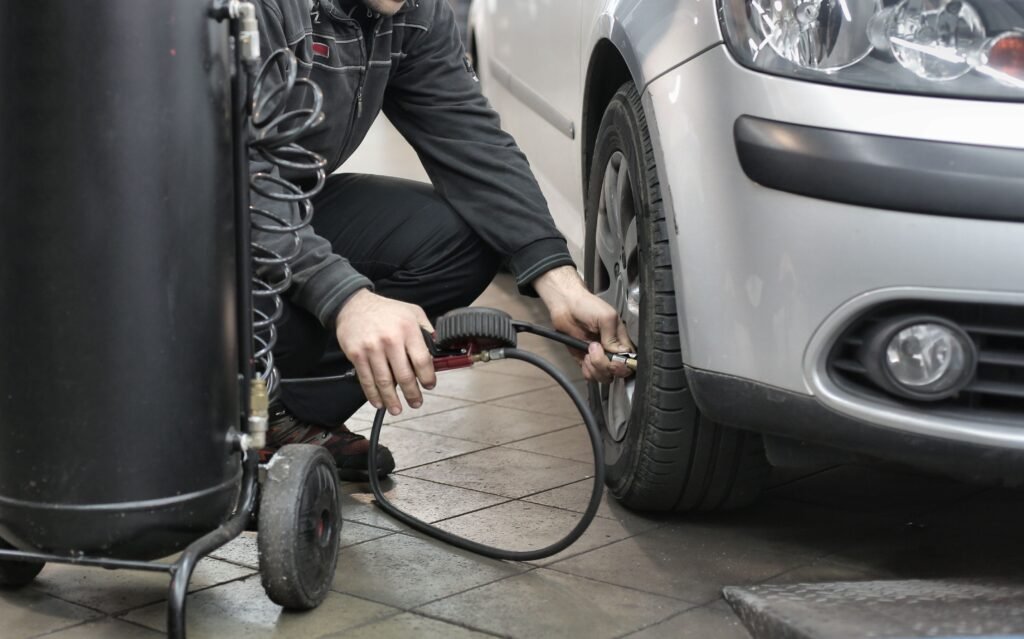
- Tyres, pressure, tread, and condition. Why it matters: tyres are the only contact with the road, and low pressure increases wear, fuel use, and stopping distance, while a damaged tyre can fail suddenly. Your action: check pressures monthly, against the sticker on the driver door or fuel flap, not against the number on the tyre sidewall, and check tread and sidewalls for cuts, bulges, or uneven wear. If pressure keeps dropping, a tread is low, or a sidewall is damaged, book a tyre check before your next long drive.
- Fluids, especially engine oil and coolant, plus brake fluid level. Why it matters: low oil can damage an engine quickly, low coolant can cause overheating, and low brake fluid can point to brake wear or a leak. Your action: check oil and coolant levels monthly, on a level surface and with a cool engine where your manual says so, and note any fluid that keeps dropping. A fluid that needs topping up again and again is not a topping up problem. It is a leak or wear problem to book for diagnosis.
- Brakes, by feel, sound, and inspection. Why it matters: brakes wear gradually, so drivers get used to a longer stopping distance or a soft pedal until a failure or an emergency reveals it. Your action: notice any squeal, grinding, vibration, pedal change, or warning light at once, and book a brake inspection before your next long drive. Do not wait for a brake noise to become a grinding noise, because grinding often means metal on metal and a larger repair.
Those three checks are your prevention core. Everything else in this article supports them, but nothing replaces them.
| Check | How often | Decision if it fails |
|---|---|---|
| Tyre pressure and condition | Monthly, and before a long trip | Inflate to the correct pressure, or book a tyre check if damaged, worn, or losing pressure |
| Oil and coolant levels | Monthly | Top up only with the correct specification, and book a diagnosis if a level keeps dropping |
| Brake feel and sound | Every drive, by attention, plus inspection at service | Book a brake inspection at once if feel, sound, or pedal changes |
Your monthly routine: ten minutes a busy owner will actually keep
This is the whole monthly routine. It takes about ten minutes, and it is designed to be kept, not admired. Do it on the same date each month, for example the first Saturday, and set a phone reminder.
- Walk around the car. Action: look for new damage, a flat looking tyre, a leak under the car, or a light that is out. Note anything new, and book it if it affects safety.
- Check tyre pressures and tread. Action: inflate to the correct pressure, and book a tyre check if tread is low or wear is uneven.
- Check oil and coolant levels, and washer fluid. Action: top up washer fluid, top up oil or coolant only with the correct specification, and book a diagnosis if a level keeps falling.
- Check lights, wipers, and horn. Action: replace a wiper or bulb only if it is safe and simple for you, or book it if you are unsure. Do not drive with a failed brake light or a wiper that cannot clear the screen.
- Start the car and listen. Action: note any new noise, warning light, or change in starting, idling, or braking, and book a diagnosis if anything is new or worrying.
- Write one line in your car note. Action: record date, mileage, pressures, fluid levels, and anything booked. That one line makes the next check faster, and it helps a garage diagnose a pattern.
If you miss a month, do not try to catch up with a long list. Just do the ten minute routine the next time you can, and reset the monthly reminder. A routine you restart is better than a perfect routine you abandon.
At service time: what prevention adds to a service
A service is not a replacement for your monthly routine, and your monthly routine is not a replacement for a service. They work together. At service time, prevention means asking for a condition report, not just a change of oil. Your action is to ask the garage to report, in writing, the condition of brakes, tyres, belts, hoses, suspension, steering, cooling, and any leak, with measurements where possible. Then sort the report into three groups: fix now for safety, plan soon for wear with a price and a date, and monitor at the next service. That three group decision turns a service report into a budget, and it stops a wear item from becoming an emergency because no one planned for it.
Seasonal prevention: four moments that matter most
You do not need a seasonal list of twenty items. You need four moments, one per season change, with one decision each.
- Before winter: battery, coolant, tyres, lights, and wipers. Action: book a winter check if the battery is weak, coolant is low or old, tyres are worn, or wipers cannot clear the screen.
- Before summer: cooling system, air conditioning, tyres, and fluid levels. Action: book a cooling check if the car has ever run hot, or if coolant keeps dropping, before a long hot trip.
- Before a long trip: tyres, brakes, fluids, lights, and spare or repair kit where fitted. Action: do the monthly routine plus a pressure and fluid check the day before, and book anything safety related before you leave, not on the road.
- After a long trip or harsh conditions: tyres, underbody, fluid levels, and new noises. Action: check for damage, leaks, or new sounds, and book a check if anything changed during the trip.
Those four moments are enough. They catch season related failures without turning prevention into a second job.
How to keep a car running longer: habits that cost nothing
Beyond checks, a few driving and ownership habits help a car last longer, and they cost nothing except attention. Warm the car gently, rather than revving hard from cold, and avoid short trips where a longer route or a combined trip is practical. Do not ignore a warning light, a new noise, or a fluid smell, because early attention is almost always cheaper than late repair. Keep the service record complete, because a car with a clear record is easier to diagnose, easier to sell, and easier to keep under warranty. Your action is to pick one habit from this paragraph to improve this month, rather than trying to change everything at once. A single habit kept for a month is real prevention. A list of habits admired for a day is not.
What prevention cannot do, honestly
Prevention reduces risk. It does not remove risk, and it does not make a car last forever. Parts wear, electronics fail, and accidents happen, even with perfect care. Your action is to keep the routine, service on time, and keep a small repair fund where possible, so a wear item found early is a planned cost, not a crisis. If a garage finds a large fault despite good care, ask for the evidence, the options, and the price for each option, and decide on safety first, then on cost and on how long you plan to keep the car. That honest decision is better than blaming a missed check or ignoring a real fault.
Frequently asked questions
What is car preventative maintenance?
It is a short routine of regular checks, timely servicing, and early action on new symptoms, designed to stop small wear from becoming a large or unsafe failure.
What are the most important preventative checks?
Tyres, fluids, and brakes. Those three cover most breakdowns, safety failures, and large repair bills, and they are the core of the monthly routine in this article.
How often should I check my car between services?
Do the ten minute monthly routine in this article, plus a check before a long trip, and a service at the manual interval. That rhythm is enough for most drivers.
Can preventative maintenance make a car run forever?
No. It helps a car last longer and avoids many costly repairs, but parts still wear and fail with age and use. The goal is a longer, safer, and more predictable life, not an endless one.
What should I do if a fluid keeps dropping?
Top up only with the correct specification, note the level and date, and book a diagnosis. A fluid that keeps dropping usually points to a leak or wear, not to a need for more topping up.
Should I do preventative checks myself or use a garage?
Do the safe monthly checks yourself if you are confident, such as pressures, levels, lights, and visual checks, and use a garage for brakes, suspension, steering, cooling faults, and anything you are unsure about. Safety comes before saving money.
More guides in this series: how often you should service your car, what a car service is, how to service your car at home and common car problems and symptoms.
Pingback: What Is Wrong With My Car: A Simple Troubleshooting Guide for Any Problem - MotorVento
Pingback: How Often Should You Service Your Car: A Clear Answer by Mileage, Age, and Driving Style - MotorVento
Pingback: What Is a Car Service: What a Basic Service Includes, What It Costs, and What New Owners Should Ask - MotorVento
Pingback: How to Service Your Car at Home: Safe DIY Basics Every Beginner Can Do - MotorVento
Pingback: Car Engine Problems: Symptoms, Causes, and What to Do Before You Drive On - MotorVento