
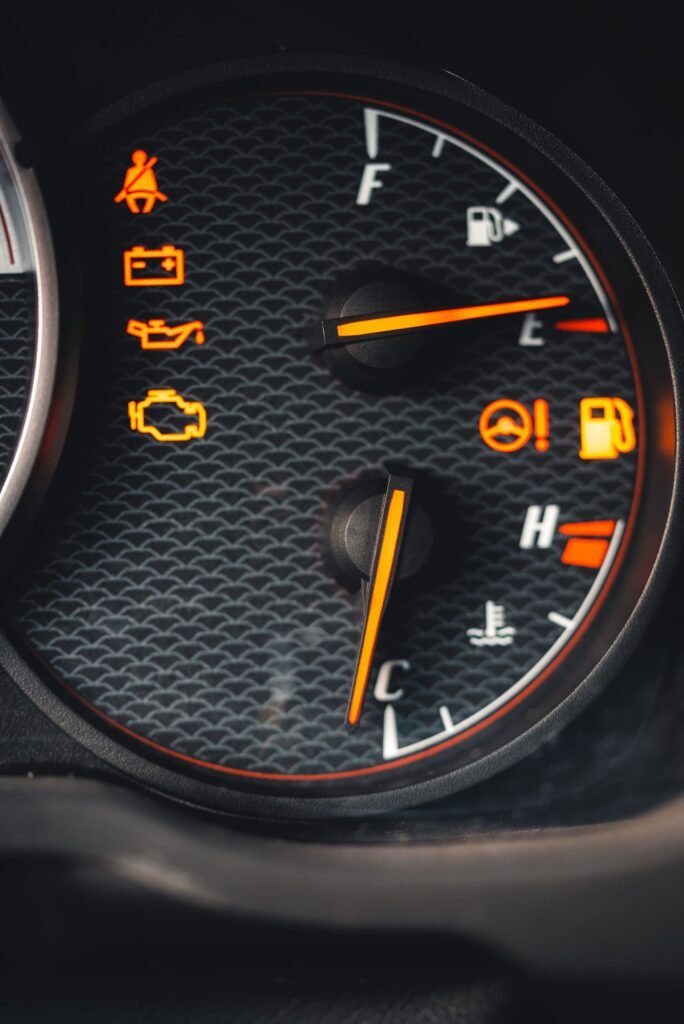
You turn the key on a cold morning and a small coil shaped light glows on your dashboard. You wait, you crank, and the engine coughs, stumbles, or refuses to start. This guide explains what that light is telling you and what to check first. But what does it mean when the same light starts flashing while you are already driving?
The direct answer is simple. The glow plug light is a diesel only warning light. It shows that the glow plugs are heating the combustion chamber so the engine can start, especially in cold weather. A solid light at startup is normal. Wait for it to go out, then crank. A flashing light, or a light that stays on after the engine is running, means a fault in the glow plug system or the engine management system that needs attention soon. That sinking feeling when a warning light appears on a car you depend on is completely normal, and this guide walks you through each step.
What Is a Glow Plug and Why Do Only Diesels Have Them
A glow plug is a small heating element inside each cylinder of a diesel engine. When you switch the ignition on, the plugs heat the air inside the combustion chamber. Diesel fuel needs hot, compressed air to ignite, because a diesel engine has no spark plugs. Petrol engines use spark plugs, so they never need glow plugs, and that is why you will only ever see this light on a diesel car, van, or truck.
In warm weather the plugs need only a very short heating time. In cold weather they need longer, because cold air makes ignition harder. That is why the light stays on longer on a frosty morning. Watch the light the next time you start the car and learn how long it normally stays on. That baseline helps you spot a real problem early. The next section explains how long to wait before cranking.
What the Solid Glow Plug Light Means at Startup
When you turn the ignition to the on position without cranking, the glow plug light should come on. This is the preheat cycle. The plugs are warming the combustion chamber, and the light normally goes out after a few seconds. Once it goes out, crank the engine.
Waiting for the light is the most important habit for a diesel driver. Cranking while the light is still on means the chamber is not hot enough, so the engine may crank slowly, start roughly, or fail to start at all. Repeated cold cranking drains the battery and wears the starter.
On a very cold morning the light may stay on longer than usual. That is normal. If the engine still does not start, switch the ignition off and run one more preheat cycle before you crank again. If the light never comes on at all, book a diagnostic check, because a blown bulb, a failed relay, or a fault in the glow plug control circuit may be the cause. The next question is what it means when the light starts flashing instead.
What a Flashing Glow Plug Light Means
A flashing glow plug light is a warning, not a routine startup signal. On many diesels it means the engine management system has detected a fault in the glow plug system or in a related system. The car is telling you that something needs checking, even if the engine still runs.
Some drivers notice other symptoms. The engine may start roughly, idle unevenly, lose power, or smoke more than usual. Others notice no change at all. Both cases deserve attention, because a fault with no symptoms today can still cause a hard start on the next cold morning.
On some diesels a flashing glow plug light can also point to a fault outside the glow plug system, such as a problem with the diesel particulate filter. The light is a general alert from the engine computer, not a precise diagnosis. Only a code scan can say which part is at fault, so do not buy parts based on the flashing light alone. If the light flashes while you are driving and power is normal, drive gently and book a diagnostic check soon. If the car has lost power, get it checked the same day. The table below gives you a quick reference.
Glow Plug Light Behaviour at a Glance
Match what you see with what it means and what to do next.
| Light behaviour | What it means | What to do |
|---|---|---|
| Solid light at startup, then goes out after a few seconds | Normal preheat cycle | Wait for the light to go out, then crank |
| Solid light that stays on longer in cold weather | Normal in cold weather | Wait, try a second preheat cycle |
| Light flashing while driving | Fault in the glow plug system | Drive gently, book a diagnostic scan soon |
| Light stays on after the engine is running | Fault in the glow plug system | Book a diagnostic check soon, avoid long trips |
Keep this table in mind the next time the light catches your eye. The next section looks at the parts that most often cause the light to flash or stay on.
Common Causes of a Glow Plug Light Problem
A flashing or staying on glow plug light has several common causes. Knowing them helps you understand what a mechanic is checking and what the repair might cost.
A failed glow plug is the most common cause. Glow plugs wear out with age and heat cycles. When one plug fails, that cylinder does not get the heat it needs, so the engine starts roughly or struggles in cold weather. On an older diesel, ask about replacing the full set, because several plugs may be near the end of their life at once.
A faulty relay or control module is the next most likely cause. It controls the power sent to the plugs and how long they stay heated. When it fails, the plugs may get no power at all, or power at the wrong time. A code scan often confirms it, because the symptoms look very similar to failed plugs.
Damaged wiring or corroded connectors can also trigger the light. Heat, vibration, and road salt wear wiring over time, and a loose connector or broken wire stops power reaching a plug. Wiring faults are cheap to fix when found early.
A weak battery is an often missed cause. Glow plugs draw a large amount of current, and a tired battery may not deliver enough power for a proper preheat cycle. If your diesel cranks slowly as well as showing the glow plug light, have the battery tested before you spend money on plugs. Our guide to car battery problem signs lists the warning signs.
A faulty temperature sensor can confuse the glow plug system, because the engine computer uses temperature readings to decide how long to heat the plugs. On some diesels a diesel particulate filter fault can also make the light flash. Ask your mechanic for the fault codes before you approve a repair, because a clear diagnosis protects you from paying for parts you do not need. The next section shows you the safe checks you can do yourself first.
How to Check It Yourself Safely
You can run a few simple checks at home without tools. First, try a proper preheat cycle. Switch the ignition on, wait for the glow plug light to go out, then crank. If the engine starts normally, the system is probably fine. If it still struggles, run one more preheat cycle before cranking again.
Second, watch the battery. Slow cranking, dim headlights, or a clicking sound point to a weak battery rather than a glow plug fault. If the battery is more than four or five years old, have it tested at an auto parts store. Many stores test batteries for free.
Third, note any pattern and get a code scan if the light keeps flashing. Does the light flash only on cold mornings? Does the engine smoke more at startup? Note the pattern before you visit a mechanic. An OBD scanner reads the fault codes stored by the engine computer, and many auto parts stores offer a free basic scan. Do not clear the codes before the mechanic sees them. Our guide on a check engine light on but car running fine explains why fault codes matter even when the car still drives.
Do not try to remove glow plugs yourself unless you have the right tools and experience. A glow plug can snap off inside the cylinder head if it is seized, and removing a broken plug is a costly specialist job. Your safe checks end at observation, a second preheat cycle, a battery test, and a code scan. The next question is what the repair might cost.
Glow Plug Light Repair Costs
Repair costs vary widely by vehicle, by how many plugs need replacing, and by labour rates in your area. The figures below are national averages from RepairPal and repair guides, and they are a starting point, not a quote. Always get a written estimate for your exact vehicle before you approve the work.
Replacing a single glow plug typically costs about 290 to 380 dollars for parts and labour, according to RepairPal figures reported by MechanicBase. Labour is often the larger share, because reaching the plugs takes time. A full set typically costs 300 to 600 dollars in total. Replacing the full set at once often works out cheaper, because the labour is paid once instead of twice. A single plug part usually costs 30 to 50 dollars before labour.
A glow plug control module replacement costs about 350 to 385 dollars on some trucks, according to RepairPal. On other vehicles it can cost more or less, so check the estimate for your exact model. A relay is usually cheaper than a full module, and wiring repairs are often the cheapest fix of all.
A diagnostic scan usually costs far less than a repair, and many garages apply the diagnostic fee to the repair if you go ahead with the work, so ask about this before you book. Ignoring a flashing light can turn a small repair into a large one, because a diesel that starts badly puts extra strain on the battery and starter. Fixing the fault early is almost always cheaper than fixing the battery and starter later. The last decision is whether the car is safe to drive while the light is on.
When to Drive and When to Stop or Tow
A solid glow plug light at startup that goes out normally is not a reason to stop driving. Wait for it, start the engine, and drive as usual. A flashing light with normal power and no other warnings is a book a check soon situation, not an emergency. Drive gently, avoid long trips until the car is checked, and book a diagnostic scan within a few days.
Stop driving and get help the same day if the engine has lost power, is running very roughly, is smoking heavily, or the check engine light has also come on. Slow down, pull over somewhere safe, and call for roadside help.
Do not keep cranking an engine that will not start. Repeated cranking drains the battery, floods the cylinders with unburned fuel, and can damage the starter. If the engine does not start after two proper preheat cycles, stop cranking and call for help. A tow is cheaper than a new starter motor. Our guide on how to start a car covers the correct starting steps. The decision is now simple, drive gently when the car feels normal, stop when it does not. The final section shows you how to keep the glow plug system healthy.
How to Prevent Glow Plug Problems
Prevention costs far less than repair, and most of it is habit. Start the car the right way every time. Wait for the glow plug light to go out before you crank, every time, even in summer. That one habit protects the battery, the starter, and the plugs.
Keep the battery healthy. A strong battery delivers the current the plugs need for a full preheat cycle. Have the battery tested before winter, clean any corrosion from the terminals, and replace an ageing battery before it fails on a cold morning. Use good quality diesel fuel and keep up with routine servicing, because clean fuel and regular filter changes keep the fuel system healthy, and a healthy fuel system starts more easily in cold weather.
Do not ignore the first sign of trouble. A diesel that starts a little roughly on cold mornings is an early warning. A diagnostic check now is cheap, while a tow and a starter motor later are not. Book a pre winter check if you live somewhere cold, and ask the garage to test the battery, check the glow plug system, and scan for stored fault codes. These small habits add up to years of reliable cold starts. The questions below cover the points drivers ask most often.
Frequently Asked Questions
Can I drive with the glow plug light flashing?
Yes, you can usually drive a short distance if the engine has normal power and no other warning lights are on. Drive gently and book a diagnostic scan soon. Stop and get help the same day if the engine has lost power, runs very roughly, or smokes heavily.
How long should I wait for the glow plug light to go out?
Wait until the light goes out completely before you crank the engine. It normally goes out after a few seconds, and stays on longer in cold weather. If the engine does not start, run one more preheat cycle before you crank again.
Why does my diesel struggle to start in cold weather?
Cold air makes it harder for diesel fuel to ignite, so the glow plugs need more time to heat the combustion chamber. A weak battery, worn glow plugs, or a faulty relay make cold starting worse. Wait for the full preheat cycle, and if the problem continues, have the battery tested and the system scanned.
How much does it cost to fix a glow plug problem?
A single glow plug replacement typically costs about 290 to 380 dollars for parts and labour, according to RepairPal figures reported by MechanicBase. A full set usually costs 300 to 600 dollars, and a control module costs about 350 to 385 dollars on some trucks. Prices vary by vehicle, so get a written estimate first.
The glow plug light is one of the most useful warnings on a diesel dashboard. A solid light at startup is normal. A flashing light is an early warning that saves you money when you act on it quickly. Wait for the light, get a code scan when it flashes, and fix small faults before cold weather turns them into a car that will not start.