
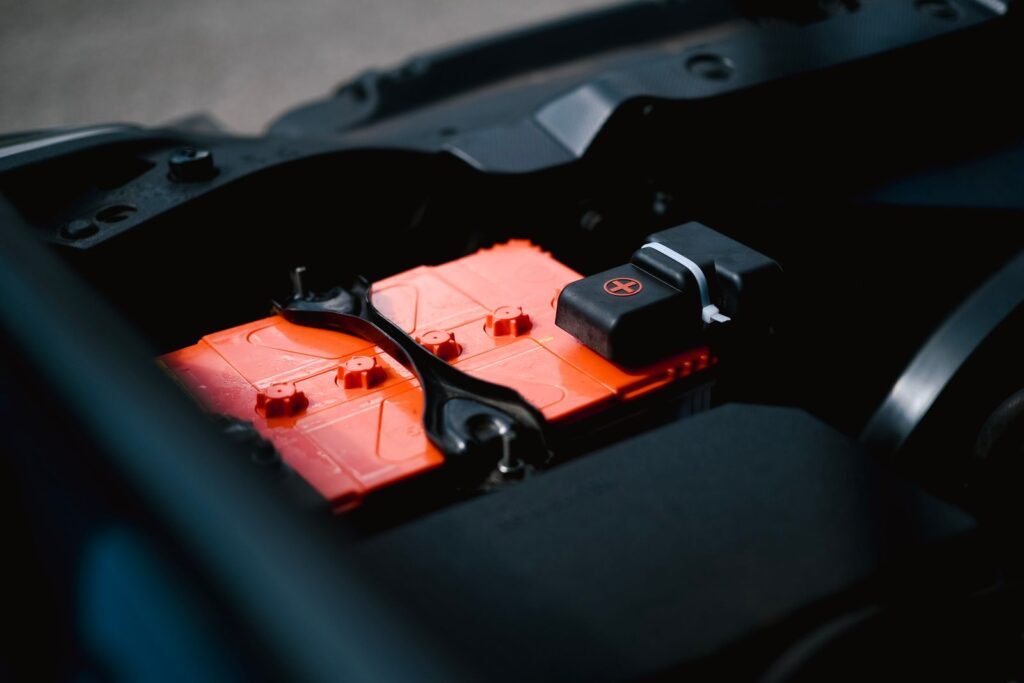
Good maintenance of car battery health comes down to three simple habits: keep the terminals clean, keep the charge topped up, and test the battery before it fails. Do those three things and most batteries reach the full 3 to 5 year lifespan that AAA reports for a typical car battery, instead of dying early on a cold morning.
Car battery care needs no special tools to start. A visual check takes five minutes, a terminal clean takes about twenty minutes, and a battery test is free at most large auto parts stores. A clean, charged battery starts the car first time and saves you an early replacement, usually 150 dollars to 350 dollars installed.
What Regular Battery Care Actually Does
A car battery loses a little charge every day, even when the car sits parked. Short trips, cold weather, hot weather, and accessories left running all drain it faster than the alternator can refill it. Dirt and corrosion on the terminals add resistance, so less power reaches the starter. Clean terminals, regular driving, and testing keep the battery near full and catch weakness early.
Check the date code sticker on the top or side of the battery. Under 3 years old, a simple care routine is usually enough. Past 3 years old, test it at least once a year, because AAA suggests annual testing from the third year onward. Past 5 years old, plan for a replacement soon, even if it still starts the car.
Check the Terminals Every Few Months
Battery terminal maintenance is the most useful job in this guide, and the easiest to skip. Pop the hood and look at the two terminals, the metal posts where the cables connect. A healthy terminal is clean metal with a tight clamp. A neglected one shows white, green, or blue crust, and the clamp may feel loose.
Check the terminals every three months, and check them right away if the car cranks slowly, the lights dim when you start the engine, or crust is building up. A loose or corroded terminal can mimic a dead battery, and many drivers pay for a new battery when a short clean would have fixed the problem. If you see cracks, swelling, or a bulging case, skip the cleaning and book a replacement, because a damaged case is a safety problem, not a cleaning job.
How to Clean Corroded Terminals Safely
You can clean battery terminals at home with a wire brush, a cup of warm water mixed with a spoonful of baking soda, and a pair of gloves. The job takes about twenty minutes, and the only cost is the brush if you do not already own one. Work outside, wear eye protection, and keep the solution away from the vent caps.
Remove the negative cable first, marked with a minus sign and usually black, then remove the positive cable, marked with a plus sign and usually red. Always remove the negative cable first and reconnect it last, because that order avoids a short circuit if your wrench touches the bodywork. Scrub the posts and clamps with the wire brush until the metal shines, then scrub again with the brush dipped in the baking soda solution. Dry everything, reconnect the positive cable first and the negative cable last, tighten each clamp until it cannot move by hand, and finish with a thin smear of petroleum jelly or terminal protector spray on the posts to slow new corrosion.
If you would rather not do this yourself, a battery cable and terminal end service at a shop averages 37 dollars to 54 dollars according to RepairPal estimates. If corrosion returns within a few weeks, or the cable ends are green and crumbling, ask a mechanic to inspect the cables, because cleaning cannot save a rotted cable.
Keep the Battery Charged With the Way You Drive
Short trips are the quiet enemy of battery life. A cold start uses a large burst of charge, and a five minute drive does not give the alternator enough time to put that charge back. If most of your trips are under fifteen minutes, the battery slowly runs down week by week until one morning it cannot turn the engine. Take the car for a steady thirty minute drive at least once a week.
Turn off the lights, the heater, the air conditioning, and the stereo before you switch off the engine, so the next start draws less power. If the car will sit unused for more than two weeks, connect a smart battery maintainer, which keeps the battery at full charge without overcharging it.
If the battery goes flat overnight or after a weekend parked, something is drawing power while the car sleeps, and cleaning the terminals will not fix it. Read our guide on car battery draining overnight to find the common causes and the tests that track the drain down before you pay for a new battery you may not need.
Test the Battery Before It Fails
A battery can look fine and still be too weak to start the car on a cold morning, which is why testing matters more than looking. A rested battery that reads about 12.6 volts with the engine off is fully charged, a reading near 12.4 volts means it is about three quarters charged, and a reading near 12.0 volts means it is about half charged and needs attention. A cheap multimeter gives you this reading in a minute.
Voltage alone does not tell the whole story, because a worn battery can still read 12.6 volts and fail under load. That is why a load test matters. AutoZone, O’Reilly Auto Parts, and Advance Auto Parts all offer free battery testing, and the test usually includes a check of the starter and the alternator as well, with no purchase required. Ask for a free test and keep the printed result, which shows the cold cranking amps your battery can still deliver.
Test the battery once a year after its third birthday, and test it right away if the engine cranks slowly, the headlights dim at idle, or the battery warning light appears. A shop charging system test costs about 20 dollars to 50 dollars, and an advanced diagnostic about 50 dollars to 100 dollars, according to published price guides. Start with the free parts store test first. If you are unsure how much life is left, read our guide on how long car batteries last.
Protect the Battery From Heat and Cold
Park in the shade or a garage during hot weather when you can. In winter, keep the battery fully charged, because a fully charged battery resists freezing far better than a half charged one. Check the fluid level in batteries with removable caps, and top up with distilled water only, never tap water, if the plates are exposed. Sealed and AGM batteries have no caps to open, so do not try to pry them open.
Know When to Replace Instead of Maintain
Replace the battery when it fails a load test, needs a jump start more than once in a few weeks, has a swollen or cracked case, or is past 5 years old and cranks slowly. A battery that keeps dying even after a full charge and clean terminals has lost its ability to hold charge, and no amount of cleaning brings that back.
Budget for the replacement before it becomes an emergency. A new 12 volt battery alone usually costs about 45 dollars to 250 dollars according to Kelley Blue Book, depending on size, power, and quality. A typical installed replacement at an independent shop usually runs about 150 dollars to 350 dollars. AGM batteries for cars with start stop systems cost more, often 200 dollars to 350 dollars for the battery alone, and some cars need the new battery registered to the computer, which adds labor. Get a quote for your exact year, make, and model before you buy.
| Option | Typical cost | Best for |
|---|---|---|
| Free test at a parts store | 0 dollars | Yearly check or slow cranking |
| Terminal cleaning service | 37 dollars to 54 dollars | Heavy corrosion or no tools at home |
| New battery, part only | 45 dollars to 250 dollars | Drivers who fit it themselves |
| New battery, installed | 150 dollars to 350 dollars | Most drivers, shop fitted |
If the car will not start at all, do not keep cranking it, because that drains the battery further and can overheat the starter. A jump start gets you moving, but it is not a repair. Read our guide on how to jump a car for the safe connection order, then get a free test at a parts store.
Frequently asked questions
How often should I maintain my car battery?
Check the terminals visually every three months, clean them properly once a year, and test the battery once a year after its third birthday. Add a free test right away if the engine cranks slowly or the battery warning light appears.
What is the best way to clean battery terminals?
Remove the negative cable first, then the positive cable, scrub the posts and clamps with a wire brush and a baking soda and warm water solution, dry everything, reconnect the positive cable first and the negative cable last, then coat the posts with petroleum jelly or terminal protector spray. If the cable ends are crumbling or green through the wire, book a mechanic.
How do I know if my battery needs replacing or just charging?
Charge it fully and get a free load test at a parts store. If the battery reads about 12.6 volts at rest and passes the load test, it needed charging, so fix the cause, such as short trips or a light left on. If it fails the load test, needs jump starts repeatedly, or is past 5 years old with slow cranking, replace it.
Can I make my car battery last longer in hot weather?
Yes. Park in shade or a garage when you can, keep the terminals clean, and keep the battery fully charged with a weekly drive of thirty minutes or more. Heat damage is permanent, so prevention is the best action.
Pingback: Car Battery Problem Signs: How to Spot a Failing Battery Early