
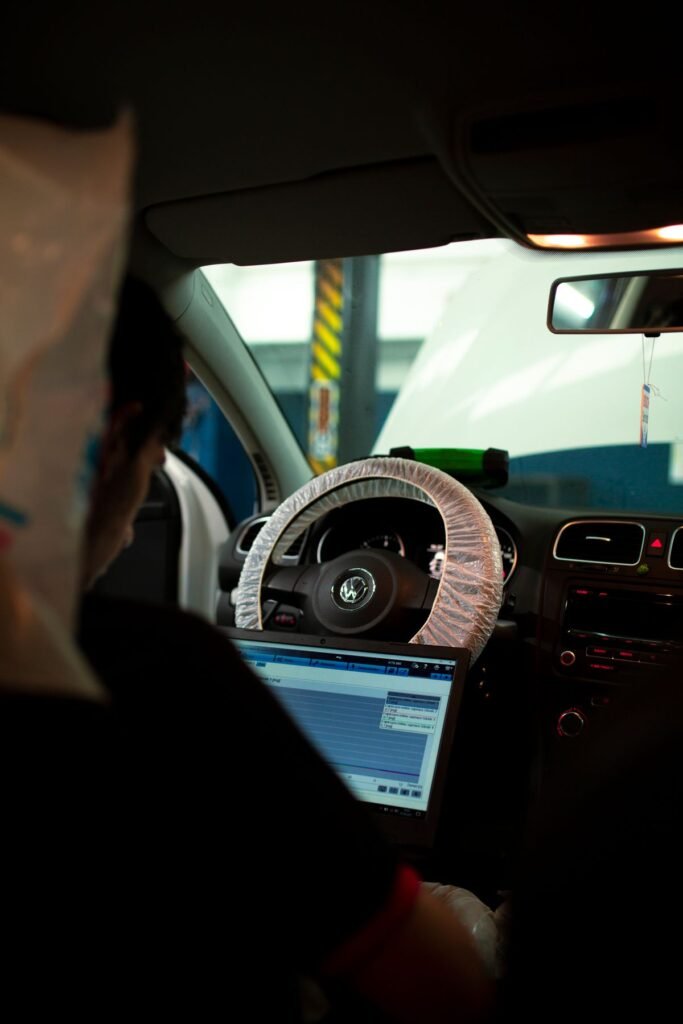
When a mechanic or a scanner tells you there is an unknown fault code stored in your car, it simply means the vehicle computer has recorded a problem in a manufacturer specific format that a basic tool cannot fully describe. Fault codes, properly called DTCs, are the car way of leaving a note about what went wrong and where. Understanding how these codes are built turns a scary row of letters and numbers into a clear starting point for any repair.
What DTC means and why your car stores codes
DTC stands for Diagnostic Trouble Code, and the dtc meaning is simple: it is a standardized label the car computer assigns when a sensor reading or system test falls outside its expected range. Modern cars run constant self checks on the engine, transmission, brakes, airbags, and dozens of other systems. When a check fails, the computer stores the code, often lights a warning on the dash, and saves a snapshot of speed, temperature, and other data from the moment it happened. That snapshot, called freeze frame data, is gold for diagnosis because it shows the conditions that triggered the fault.
How to read a fault code
Most codes follow a five character pattern, and each part tells you something:
- First character, the system: P is powertrain (engine and transmission), B is body, C is chassis (brakes and steering), and U is network communication between computers.
- Second character, the type: 0 means a generic code defined by the industry standard; 1 means a manufacturer specific code defined by your car brand.
- Third character, the area: on powertrain codes, 1 and 2 cover fuel and air metering, 3 is ignition, 4 is emissions systems, 5 is idle and speed control, 6 is the computer itself, and 7 and 8 cover the transmission.
- Last two characters, the exact fault: these pinpoint the specific test or component that failed.
So a code like P0302 reads as: powertrain, generic, ignition area, misfire on cylinder 2. A code like P0171 means the engine is running lean, with too much air or too little fuel. Codes are directions, not verdicts. P0302 does not automatically mean a bad coil; it means cylinder 2 is misfiring, and the coil, plug, injector, or compression could each be the reason.
Why a code shows up as unknown
An unknown fault code almost always comes down to the tool, not the car. Cheap basic scanners only carry the library of generic codes. When they meet a manufacturer specific code, a newer code their database predates, or a code from a module other than the engine, they display unknown or no description. Body, chassis, and airbag codes trip up basic tools for the same reason. The code itself is real and stored correctly; the scanner simply does not have the translation. This is also why different tools can give different answers on the same car. If the check engine light is involved, our guide on why your check engine light is on explains the most common codes behind it.
| Code | What it means | Common causes |
|---|---|---|
| P0171 | System too lean, bank 1 | Vacuum leak, weak fuel pump, dirty airflow sensor |
| P0300 | Random misfire detected | Worn plugs, failing coils, low fuel pressure |
| P0420 | Catalyst efficiency below threshold | Aging catalytic converter, exhaust leak, faulty oxygen sensor |
| P0442 | Small evaporative emissions leak | Loose or worn fuel cap, cracked vapor hose |
| P0455 | Large evaporative emissions leak | Missing fuel cap, damaged filler neck, stuck purge valve |
| C0035 | Front left wheel speed sensor fault | Damaged sensor, corroded wiring, worn wheel bearing |
| U0100 | Lost communication with engine computer | Wiring fault, low battery voltage, failed module |
How to look up and diagnose a code properly
Write the code down exactly, including the letter at the front, then look it up for your specific make, model, and year, because the same code can have different test steps on different cars. Read the code, but then test the part: check wiring and connectors first, since corrosion and rodent damage cause a surprising share of faults. Many parts stores will scan your car for free and print the codes, which is a good start. A professional diagnostic, where a technician confirms the cause with tests rather than guessing, typically costs 100 to 180 dollars. Prices vary by car model and region. That fee often saves money, because replacing parts based on a code alone can mean buying three parts to fix one fault.
Pending, stored, and history codes
Not every code means a fault is happening right now. A pending code is a fault the computer has seen once and is watching; it usually does not light the dash yet. A stored or confirmed code has happened enough times to turn the warning light on. A history code is an old fault that is not currently present but remains in memory. This is why context matters: a pending code after a battery change may never return, while a confirmed code with symptoms needs real attention. Once the cause is fixed, codes can be cleared, and our guide on how to reset the check engine light explains how that works and when the light should stay off.
Frequently asked questions
Does a fault code tell me exactly which part to replace
No. A code tells you which system or test failed, not which part caused it. A misfire code, for example, can come from a plug, a coil, an injector, or low compression. Proper diagnosis tests the suspects before any parts are bought.
Can I clear an unknown fault code and ignore it
You can clear it, but if the fault is real the code will return as soon as the car runs the same self test again. Clearing codes also erases the freeze frame data a technician needs, and it resets emissions readiness, which can fail an inspection. Find the cause first.
Why does my scanner show codes my mechanic tool does not, or the other way round
Different scanners read different modules and carry different code libraries. A basic tool reads engine codes only, while a professional tool reads the transmission, brakes, airbags, and body systems too, and can name manufacturer specific codes that a basic tool reports as unknown.
Fault codes are your car describing its own problems in a language anyone can learn. Read the code, look it up for your exact car, and test before you spend. That simple order turns an unknown fault code from a worry into a plan.