
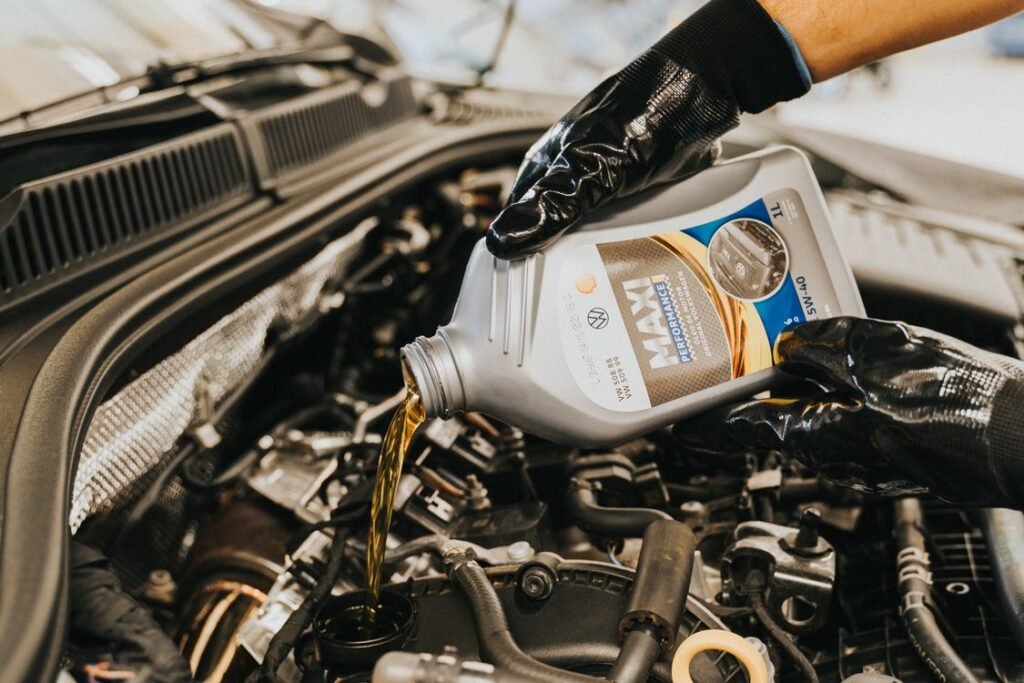
The old rule of changing oil every 3,000 miles is outdated for most modern cars, but that does not mean you can ignore oil changes altogether. The short answer: most manufacturers now recommend an oil change every 5,000 to 10,000 miles, or every 6 to 12 months, whichever comes first. Conventional oil usually needs changing every 3,000 to 5,000 miles, while full synthetic oil usually lasts 7,500 to 10,000 miles, and some cars with synthetic oil go up to 15,000 miles under normal driving. Your owner manual is the final authority for your car, because it was written for your engine, not for cars in general.
Engine oil does three jobs at once. It lubricates moving parts so they do not wear against each other, it carries heat away from hot parts, and it suspends dirt, metal particles, and combustion byproducts so they do not settle in the engine. As oil ages, its additives wear out, it thickens with contaminants, and it protects less well. That is why both miles and time matter, even if you drive very little.
Find your interval in three steps
First, open your owner manual and find the maintenance schedule for your engine and oil type. Second, check whether your driving counts as normal or severe. Third, set a reminder for whichever comes first, miles or months. Your action: do not rely on a sticker from a quick lube shop alone. That sticker often uses a shorter interval than your manual, because frequent visits suit the shop, not your engine. Use the manual interval, and use the shop sticker only as a reminder to check the level.
Severe driving shortens oil life. Short trips under 10 miles, stop and go traffic, extreme heat or cold, dusty roads, and towing or hauling all count as severe for many manufacturers. Your action: if most of your driving is short trips or city traffic, use the severe schedule in your manual, which is often 5,000 miles or 6 months, even if the normal schedule allows 10,000 miles.
Oil type changes the answer
| Oil type | Typical interval | Best for |
|---|---|---|
| Conventional | 3,000 to 5,000 miles | Older cars, simpler engines |
| Synthetic blend | 5,000 to 7,500 miles | A step up from conventional at moderate cost |
| Full synthetic | 7,500 to 10,000 miles, some to 15,000 | Most modern cars, high heat, long intervals |
| High mileage | Same as above for its base type | Cars over 75,000 miles, with seal conditioners |
Your action: use the oil type and viscosity your manual specifies, not just any oil on sale. Using a thinner or thicker oil than specified can affect protection, fuel economy, and warranty coverage. If you switch to full synthetic, you can usually extend the interval, but only to the manual interval for synthetic, not beyond it without an oil analysis.
Time matters even if you drive little
Oil degrades with time even when a car sits still, because oxygen and moisture affect its additives and because short trips that never fully warm the engine leave moisture in the crankcase. Most manufacturers recommend at least one oil change a year regardless of miles. Your action: if you drive fewer miles than your interval in a year, change the oil once a year anyway, and check the level monthly. A car that sits for months still needs fresh oil before a long trip.
Signs you need an oil change sooner
Dark oil alone is not a reliable sign, because oil darkens as it does its job of suspending dirt. More useful signs are a low level on the dipstick, a gritty feel between your fingers, a burnt smell, a milky look that can mean coolant contamination, and metal particles in the oil. An oil light or oil change reminder is a later warning, not an early one. Your action: check the level every month with the engine warm and parked on level ground. If the level keeps dropping, the engine is burning or leaking oil, and that needs attention on its own. For what the oil warning means, read our guide on oil change light meaning and reset before you ignore a light.
Other signs include louder engine noise, rough idling, and worse fuel economy, but these signs have many causes, so do not use them alone to judge oil life. Your action: if you see milky oil or metal particles, do not just change the oil and drive on. Get the engine inspected, because those signs can mean a coolant leak or internal wear.
Oil change versus oil top up
Topping up oil when the level is low is not a substitute for an oil change. A top up restores the level, but it does not replace the old oil, its worn additives, or the old filter. Your action: top up with the same type and viscosity your manual specifies, and keep the oil change on schedule. Always change the filter with the oil, because an old clogged filter can bypass and let unfiltered oil circulate.
How to save money without harming the engine
The cheapest safe way to save money is to follow the manual interval instead of changing oil too often. Changing oil every 3,000 miles when your manual allows 7,500 miles doubles your oil change cost for no benefit. Your action: track miles and months in a simple log, buy oil and filters in advance when they are on sale, and do not pay for extra flushes or additives unless your manual calls for them. For oil leaks that make you top up often, read our guide on car oil leak causes and fixes to find whether a leak, not the interval, is your real cost.
Frequently asked questions
Is 3,000 miles still the right interval
No, not for most modern cars with modern oil. That interval came from older engines and conventional oil. Your action: use your manual interval, which for most modern cars is 5,000 to 10,000 miles, and only use 3,000 miles if your manual or your oil type actually calls for it.
Can I go longer than my manual interval
Only with a good reason, such as an oil analysis that shows the oil is still healthy, or a manufacturer extended interval for your exact car and oil. Your action: do not stretch the interval just to save a visit. The saving is small compared with engine wear, and a stretched interval can affect warranty coverage.
Does synthetic oil really last longer
Yes, because synthetic oil resists breakdown at high heat and keeps its protective properties longer than conventional oil. Your action: if your manual allows synthetic, use it for longer intervals and for high heat, towing, or severe driving. If your manual specifies conventional, synthetic will not harm the engine, but it will not automatically double your interval unless the manual allows it.
Oil change timing is simple when you follow the manual. Find your interval, adjust for severe driving, change the filter every time, and change the oil at least once a year. That routine protects the engine, saves money compared with changing oil too often, and avoids the damage that comes from waiting too long.
Pingback: How to Check Oil in Your Car
Pingback: Engine Knocking: Causes, Risks and What to Do Next