
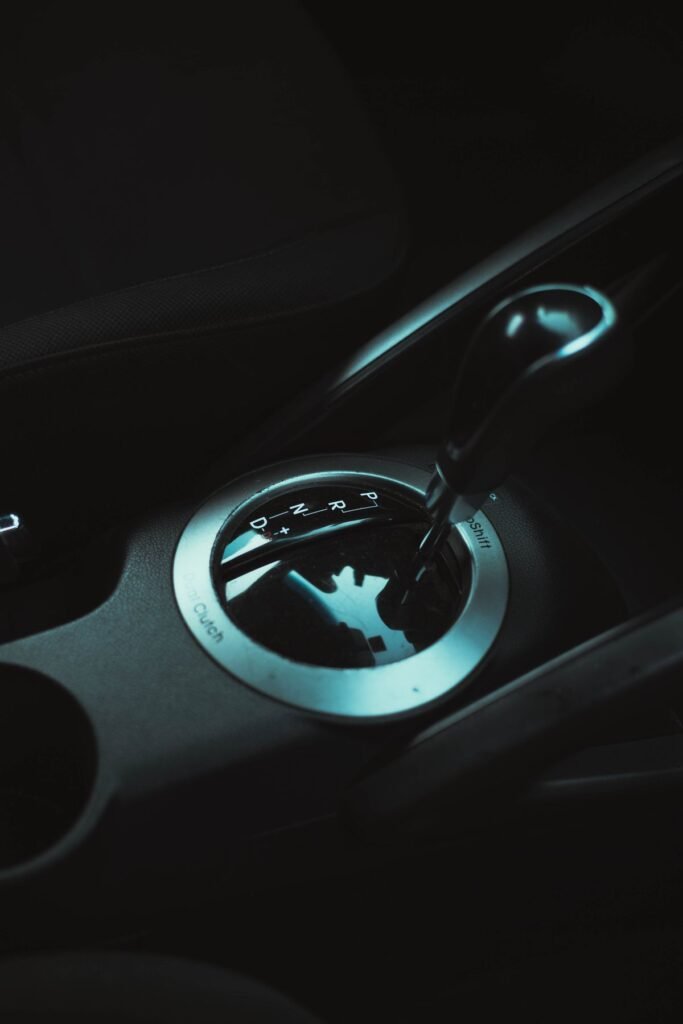
A transmission flush in the United States typically costs between $150 and $350 at a shop, and knowing the transmission flush cost before you book helps you judge whether a quote is fair. The price depends on your vehicle, the type of fluid it needs, and whether you choose a full flush or a simpler drain and fill service. This guide breaks down the real numbers, explains the difference between the two services, and shows how to avoid paying for work your transmission does not need.
What you actually pay for in a transmission flush
A flush uses a machine connected to the transmission cooler lines. As old fluid is pumped out, new fluid is pushed in, so almost all of the fluid is exchanged, including the fluid inside the torque converter. A typical automatic transmission holds 8 to 12 quarts of fluid in total, and fluid is the biggest part of the bill. The rest is labor, which is usually under an hour.
Fluid type matters a lot. Older transmissions use affordable conventional fluid, while many modern automatics, CVTs and dual clutch gearboxes need specific synthetic fluids that can cost two or three times more per quart. Using the wrong fluid is not a saving, it is a future repair, so any quote should name the exact fluid specification for your car.
Typical transmission flush cost by vehicle
Prices vary by car model and region, but these United States ranges reflect what most drivers actually pay.
| Service | Typical cost range |
|---|---|
| Drain and fill, regular car | $90 to $180 |
| Full flush, regular car | $150 to $280 |
| Full flush, truck or SUV | $200 to $350 |
| CVT flush with manufacturer fluid | $250 to $450 |
| Flush plus new filter and pan gasket | $250 to $500 |
| Dealer service, most vehicles | $250 to $500 |
Independent shops usually sit at the lower end of these ranges and dealer service departments at the higher end. A very cheap quote deserves a question or two: it may cover only a drain and fill, or use a generic fluid that does not meet your manufacturer specification.
Flush versus drain and fill
These two services are often confused, and the difference explains the price gap:
- A drain and fill removes only the fluid in the pan, roughly a third to a half of the total, and replaces it with fresh fluid
- A flush exchanges nearly all of the fluid, including what sits in the torque converter and cooler lines
- A drain and fill is gentler and is often preferred on older, high mileage transmissions
- A flush gives a complete fluid change in one visit, which suits a well maintained transmission on schedule
Some drivers repeat a drain and fill two or three times over a few weeks to refresh most of the fluid gradually. Total cost can end up similar to one flush, but each visit is gentler on an aging gearbox.
How often the service is due, and how to check your fluid
Many manufacturers suggest fresh fluid every 30,000 to 60,000 miles, though some modern cars stretch that interval much further. Heavy towing, mountain driving and city traffic all argue for the shorter end. Our guide on how often to change transmission fluid walks through the intervals by transmission type.
Between services, keep an eye on the fluid itself. Healthy fluid is red or pink and smells slightly sweet. Dark brown fluid with a burnt smell is overdue for attention. If your car has a dipstick, our step by step guide on how to check transmission fluid shows the two minute check. Many newer cars have sealed transmissions with no dipstick, and on those the fluid can only be checked from underneath by a shop.
Should a high mileage transmission be flushed?
This is the most debated question in transmission care. If a gearbox has covered 150,000 miles on its original fluid and already slips or shudders, a flush will not repair worn clutches, and some mechanics believe the disturbance of a full exchange can make a dying transmission fail sooner. The honest position is this: fresh fluid never fixes mechanical wear, but clean fluid also does not damage a healthy transmission. If the fluid has been changed on schedule, keep flushing on schedule. If the history is unknown and the mileage is high, ask a trusted transmission specialist to inspect the fluid and pan first, then decide together.
Signs your transmission needs attention soon
- Delayed or harsh gear changes
- Slipping, where revs rise but speed does not
- Shuddering at low speed
- Dark, burnt smelling fluid on the dipstick
- Fluid spots under the middle of the car
Ways to keep the bill down
- Get two or three quotes and ask each shop which fluid specification they will use
- Combine the service with a filter change only when your schedule calls for it, not by default
- Follow the manufacturer interval instead of upsold early services
- Keep your service records, since documented fluid changes protect resale value
Also ask whether the quote includes a new filter where your transmission uses a serviceable one, and whether the shop will reset any service reminders afterwards. A clear written quote that names the fluid, the method and the parts removes every surprise, and any good shop will happily provide one before the car goes on the lift.
Frequently asked questions
How long does a transmission flush take?
Usually 30 to 60 minutes. The machine exchange itself is quick, and most of the visit is connecting the lines, checking the level afterwards and road testing the car.
Is a transmission flush worth it?
On a transmission that has been maintained on schedule, yes. Fresh fluid protects the clutches, valves and seals inside the gearbox, and it costs a small fraction of the $3,000 to $6,000 a rebuilt transmission can run.
Can I flush my transmission myself?
A true flush needs a machine, so home mechanics usually do a drain and fill instead. That is a reasonable option if you can access the drain plug and refill with exactly the fluid your manufacturer specifies.
A transmission flush is routine maintenance with a wide but predictable price band. Know your fluid type, compare like for like quotes, and the service becomes a simple, fairly priced way to protect one of the most expensive parts of your car.