
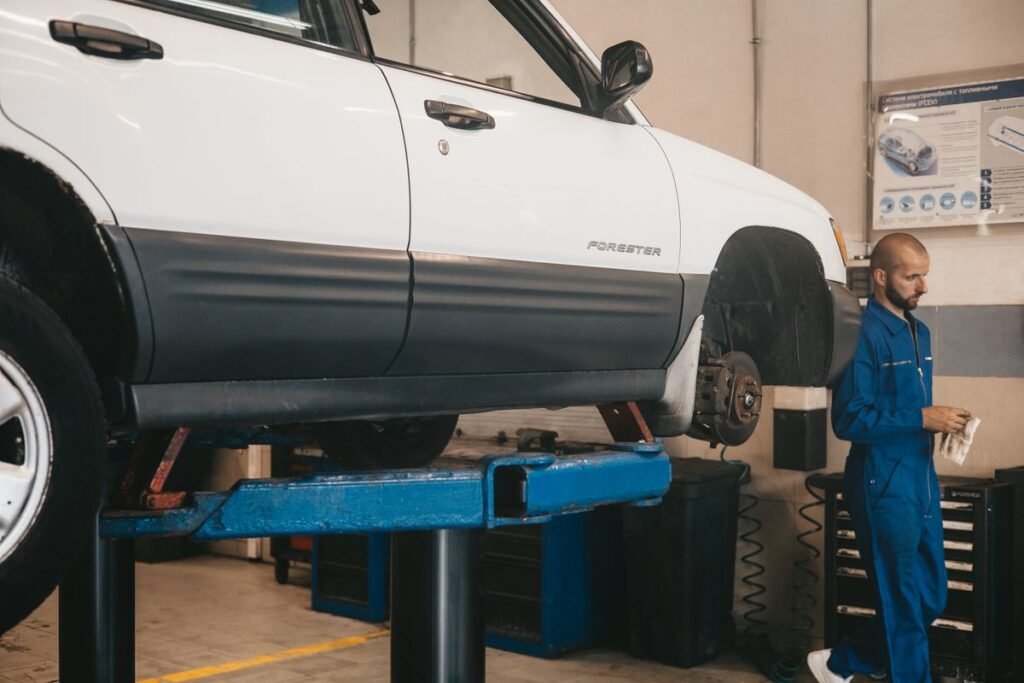
Most automatic transmissions need their fluid changed every 30,000 to 60,000 miles, while many manual gearboxes can go 60,000 to 100,000 miles. That is the short answer to how often to change transmission fluid, but the right interval for your car depends on the gearbox type, how you drive and what the maker recommends. Fresh fluid protects the gearbox, keeps shifts smooth and is far cheaper than a rebuild.
Why transmission fluid wears out
Transmission fluid does three jobs at once. It lubricates gears and bearings, it carries heat away from the hardest working parts, and in an automatic it is the hydraulic fluid that actually makes the shifts happen. Heat is its enemy. Every mile adds heat cycles, and the additives that stop foaming, protect seals and keep friction correct slowly get used up.
Old fluid also collects fine metal particles from normal wear. As the fluid darkens and thins, shifts can become harsh, delayed or slippery. Changing the fluid on schedule removes the dirt and restores the protection before wear speeds up.
Recommended intervals by transmission type
These are general ranges in miles. Your owner manual or dealer schedule is the final word for your exact model.
| Transmission type | Typical change interval |
|---|---|
| Conventional automatic | Every 30,000 to 60,000 miles |
| CVT (continuously variable) | Every 30,000 to 50,000 miles |
| Dual clutch automatic | Every 40,000 to 60,000 miles |
| Manual gearbox | Every 60,000 to 100,000 miles |
What about sealed or lifetime transmissions
Many newer cars are sold with sealed gearboxes and so called lifetime fluid, with no dipstick and no listed interval. Lifetime in this case usually means the life of the warranty period, not the life of the car. Independent specialists commonly suggest a change around 60,000 to 80,000 miles even on these units if you plan to keep the car for many years. The fluid and filter cost is small next to a replacement gearbox.
Driving habits that shorten the interval
Makers publish a normal schedule and a severe schedule, and more drivers fall under severe than they think.
- Towing trailers, boats or caravans, even a few times a year
- Lots of short trips where the gearbox never fully warms up
- Stop and go city traffic for most of your driving
- Hot climates or mountainous roads
- A delivery, taxi or rideshare car that racks up miles under load
If two or more of these sound like your life, use the shorter end of the interval ranges above.
Signs the fluid is overdue
Your gearbox often complains before it fails. Watch for these clues.
- Fluid that looks dark brown or smells burnt instead of bright red and sweet. You can learn the dipstick check in our step by step guide on how to check transmission fluid, which also shows what healthy and tired fluid look like.
- Delayed engagement when you move the lever from park to drive or reverse.
- Harsh, jerky or flaring shifts that were not there before.
- Whining or humming noises that change with road speed.
- Slipping, where the revs rise but the car does not speed up to match.
Safety warning: if the transmission slips badly, overheats or loses drive, stop driving it. Continuing can turn worn fluid and a worn clutch pack into a complete gearbox failure and leave you stranded. Have the car towed to a workshop instead.
Drain and fill versus a full flush
There are two common ways to change the fluid, and they are not the same job.
Drain and fill
The pan plug is opened and whatever flows out is replaced, usually 30 to 50 percent of the total fluid. The rest stays in the torque converter and cooler lines. This gentle method suits older gearboxes and can be repeated after a few hundred miles to refresh most of the fluid over two or three changes.
Machine flush
A machine exchanges nearly all the fluid in one visit. It costs more, and you can compare the numbers in our breakdown of transmission flush costs before you decide. A flush is fine on a healthy, regularly serviced gearbox. On a neglected high mileage unit that has never been serviced, many mechanics prefer drain and fill, because a sudden flood of strong new detergents can stir up deposits.
Whichever method you choose, the fluid type must match your gearbox exactly. Using the wrong specification can cause poor shifts and real damage, so this is not a place to save money with a universal product unless the maker approves it.
What a fluid change costs
Prices vary by car model and region, so use these as general US dollar ranges.
| Service | Typical cost range |
|---|---|
| Drain and fill, automatic | 120 to 250 dollars |
| Full flush, automatic | 200 to 400 dollars |
| CVT fluid change | 200 to 350 dollars |
| Manual gearbox oil change | 80 to 180 dollars |
| Filter change, where fitted and due | Adds 50 to 150 dollars |
Set that next to the price of a rebuilt automatic gearbox, commonly 2,500 to 5,000 dollars, and the fluid schedule is clearly the cheapest protection you can buy for the car.
Frequently asked questions
My car maker says the fluid never needs changing. Should I still do it?
If you plan to sell the car within the warranty period, following the book is reasonable. If you want the car to last well past 100,000 miles, a change around 60,000 to 80,000 miles is widely seen as cheap insurance, even on sealed units.
Can changing old fluid damage a high mileage transmission?
Fresh fluid itself does not damage a gearbox. The real risk is a gearbox that is already failing, where worn clutch material in the old fluid was masking the slip. A good mechanic inspects the old fluid and advises honestly before changing it.
How do I know when my fluid was last changed?
Check your service records first. If there is no record and the car is past the interval, look at the fluid color and smell using the dipstick if your car has one. Dark, burnt smelling fluid with no history means it is due now.
Changing transmission fluid on a sensible schedule is boring maintenance, and that is exactly the point. A modest bill every few years keeps shifts smooth and quietly adds years to one of the most expensive parts of your car.