
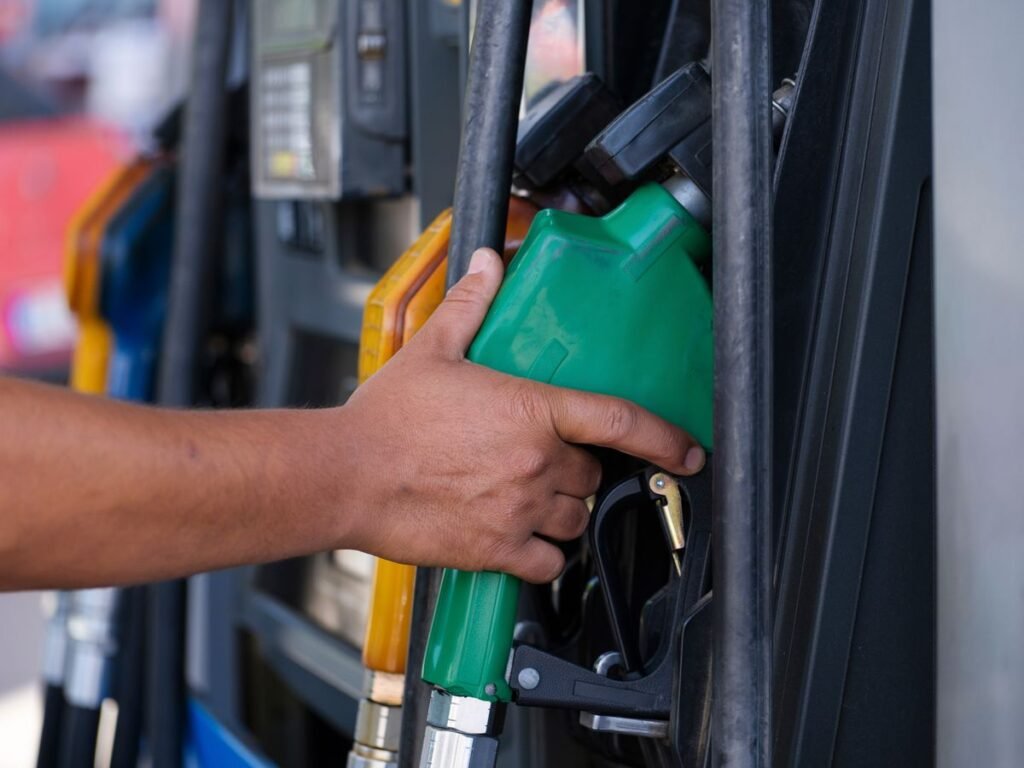
If you keep asking yourself why does my car smell like gas, do not ignore it. A faint fuel smell after filling up can be harmless, but a strong or constant gasoline smell usually means fuel is leaking or the engine is burning fuel badly, and both are fire risks. This guide walks through the likely causes, what each one costs to fix, and the other car smells that drivers often confuse with gasoline.
Is a gas smell inside the car dangerous?
Yes, it can be. Gasoline vapor is flammable, and a leak near a hot exhaust or a spark can start a fire. Breathing fuel vapor in a closed cabin can also cause headaches, dizziness, and nausea. Treat a strong smell as urgent: do not smoke anywhere near the car, avoid parking in a closed garage, and do not keep driving for days hoping it will pass. If you see fuel dripping or pooling under the car, do not start the engine at all; have the car towed to a workshop.
A brief, light smell right after refueling is different. A splash of fuel or a vapor puff at the pump can linger for a few minutes and then clear. The warning sign is a smell that is strong, returns every trip, or gets worse when the engine is running.
Common causes of a gasoline smell
- A loose or damaged gas cap. The cheapest cause. A cap that is not tight, or one with a cracked seal, lets vapor escape from the filler neck. Tighten it until it clicks, and replace it if the rubber seal is hard or split.
- Fuel leaks. Cracked rubber fuel hoses, rusted metal fuel lines, a leaking fuel pump seal, or a damaged injector seal can all drip raw fuel. Look for wet patches, dark stains, or a strong smell near the engine or under the rear of the car.
- A faulty fuel pressure regulator or injector. If an injector sticks open or the regulator fails, too much fuel reaches the engine. The exhaust then smells strongly of unburned gasoline, and fuel economy drops.
- Evaporative emissions faults. The charcoal canister and its purge valve trap fuel vapor. A cracked canister or stuck valve releases vapor you can smell, often with a check engine light.
- A rich running engine. Bad spark plugs, a failing oxygen sensor, or a clogged air filter can leave fuel unburned. You may also notice rough idling or black smoke.
- An exhaust leak before the catalytic converter. Raw exhaust escaping early smells sharp and fuel like, and it can let dangerous gases into the cabin.
Other smells that point to different problems
Not every bad smell is gasoline, and learning the difference saves money. A rotten egg smell in car cabins almost always comes from the catalytic converter struggling with too much sulfur in the exhaust, often because the engine is running rich or misfiring. It needs attention, because a failing converter is expensive and the root cause can damage it further.
A smell of rubber burning in car driving usually points to a slipping accessory belt, a hose touching a hot engine part, a sticking brake caliper dragging on the disc, or a tire rubbing against damaged bodywork. A sweet, syrupy smell suggests coolant, and an acrid burning oil smell often means oil dripping onto the exhaust. If any smell arrives with smoke, pull over safely and switch off. Thin white vapor on a cold morning is normal, but thick clouds are not, and our guide to white smoke from the exhaust explains how to tell the difference.
What the fixes usually cost
| Cause | Typical cost range |
|---|---|
| Replacement gas cap | $15 to $40 |
| Rubber fuel hose replacement | $100 to $250 |
| Fuel injector seal or one injector | $150 to $450 |
| Fuel pump replacement | $400 to $900 |
| Charcoal canister or purge valve | $150 to $500 |
| Catalytic converter replacement | $900 to $2,500 |
Prices vary by car model and region, and diagnosis time is sometimes charged on top of parts and labor.
Getting the smell out of the cabin
Fix the cause first; air fresheners only hide a problem that may be dangerous. Once the repair is done, air the car out with the doors open, vacuum the carpets and seats, and wipe hard surfaces. Fuel soaked floor mats may need deep cleaning or replacement. For a full routine that handles lingering odors of all kinds, follow our guide on how to remove bad smells from a car.
How a mechanic tracks down a fuel smell
Finding the source is methodical work. A technician starts with a visual inspection of the filler neck, fuel lines, and the top of the tank, looking for damp spots, stains, and cracked rubber. Next comes a pressure test of the fuel system, which reveals leaks that only appear while the pump is running. A scan tool checks for evaporative system fault codes, and a smoke machine can push harmless vapor through the system so even a pinhole leak shows itself as a wisp of smoke. This careful approach matters, because guessing leads to replaced parts that never caused the smell. Expect to pay for an hour of diagnostic time on top of the repair itself, and consider it money well spent when the alternative is a fire risk you cannot see.
Frequently asked questions
Why does my car smell like gas when I first start it?
A brief smell on a cold start can be normal, because the engine runs rich while warming up. If the smell is strong, lasts more than a minute or two, or appears while driving, have the fuel system checked for leaks.
Can a bad gas cap really cause a fuel smell?
Yes. A cap that does not seal lets vapor escape around the filler neck, and you will smell it most after filling up or on hot days. It is the first and cheapest thing to check.
Is it safe to drive if the smell is only slight?
A slight smell after refueling that fades quickly is usually fine. A smell that persists, strengthens, or comes with drips, rough running, or a warning light is not safe to ignore; book a repair promptly.
A gasoline smell is your car asking for help in the clearest way it can. Check the cap, look for leaks, and let a mechanic trace anything you cannot find, because fuel problems rarely fix themselves and the stakes are higher than with most car faults.