
Learning how to reset check engine light warnings is simple with an inexpensive OBD2 scanner, but the honest answer comes first: the light only stays off if the fault that triggered it has been fixed. Resetting clears the stored code and turns the light out, yet the computer keeps testing the car, and it will switch the light back on as soon as it detects the same problem again. Reset with a purpose, though, and it is a genuinely useful skill.
Read the code before you clear anything
The check engine light is not the problem itself, it is a messenger. Stored fault codes tell you which system failed its self test, and clearing them without reading them throws that information away. Plug in a scanner, write the codes down, and look up what they mean before touching the erase button. Our car fault codes and DTC meaning guide explains how the codes are structured and which ones deserve urgent attention.
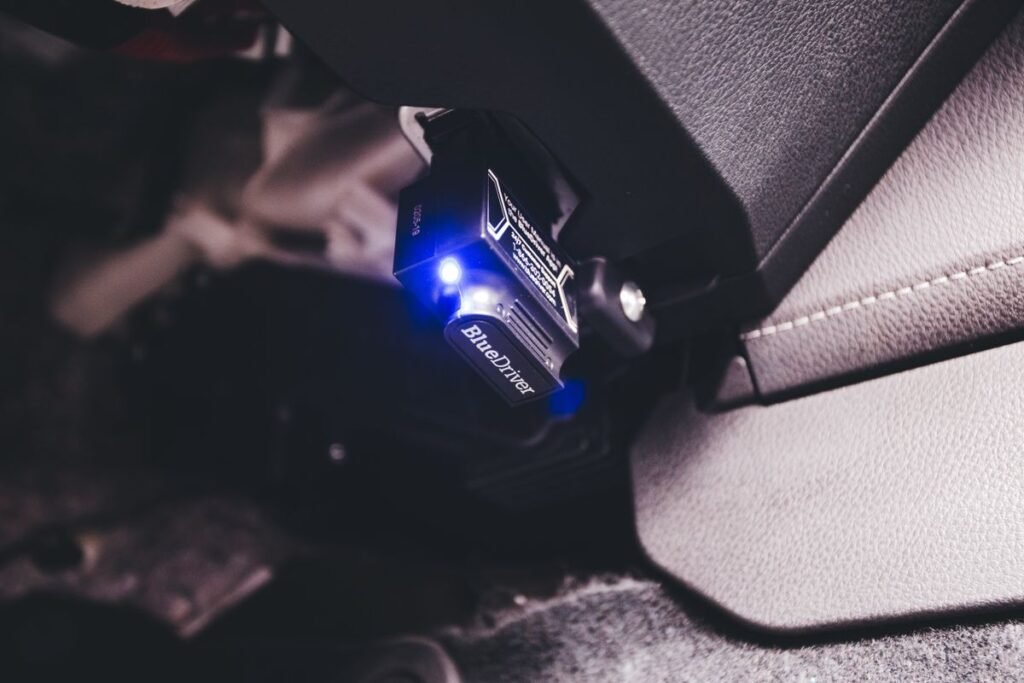
A basic Bluetooth or handheld scanner costs $20 to $50 and pays for itself the first time it saves you a diagnostic fee. Many parts stores will also read the codes for free.
How to reset check engine light warnings with a scanner
- Find the OBD2 port, usually under the dashboard on the driver side
- Plug in the scanner and turn the ignition to on, with the engine off unless the tool says otherwise
- Select the option to read codes and note every code shown
- Repair the fault the codes point to, or have a mechanic do it
- Return to the menu and choose erase or clear codes
- Start the engine and confirm the light is out, then drive normally for a few days while the computer retests the system
This same process is how to clear the codes of a check engine light the proper way, because the codes are gone from memory and the light is out at the same time. If the light returns within a few trips, the repair did not solve the root cause, and the fresh code will tell you where to look next.
The reset that happens on its own
Once a genuine fault is fixed, you often do not need a scanner at all. The engine computer reruns its tests during normal driving, a pattern called a drive cycle, and turns the light off by itself after several successful trips. A loose fuel cap is the famous example: tighten it until it clicks, drive for a few days, and the light usually clears without any tools. This slower route has one advantage, because the car proves the repair worked before the light goes out.
A typical drive cycle is not a single trip around the block. The computer wants to see a cold start, a few minutes of idling, gentle town driving, and a steady stretch at highway speed, often with the fuel tank somewhere between a quarter and three quarters full. That mix is why short trip drivers sometimes wait a week or more for the light to clear itself, while a car that does one long mixed journey can complete every test in a day or two.
The battery disconnect method, and why it is a last resort
Disconnecting the battery for 15 to 30 minutes can clear codes on older cars, which is why the trick is so widely shared. On modern cars it creates fresh headaches: radio presets and clock settings vanish, windows and idle speed may need to relearn, and some cars demand security codes for the stereo. Worse, it wipes the very data a mechanic needs. Treat it as a last resort for older vehicles, never as a first choice, and keep clear of battery terminals if you are unsure, since a short circuit can damage electronics.
If the light is flashing, resetting is the wrong move
A steady light means get the car checked soon. A flashing light means a severe misfire is dumping unburned fuel into the exhaust right now, which can overheat and destroy the catalytic converter within minutes. Slow down, avoid heavy throttle, and get to a workshop. Our guide to a check engine light flashing explains the causes and exactly what to do in the moment. Clearing that warning without a repair risks a bill many times larger than the original fault.
Resetting the light before an inspection
Many drivers clear codes right before an emissions or safety inspection, hoping the fault will not be noticed. It does not work. Clearing codes also resets the readiness monitors, the self tests the computer must complete before the inspection system will pass the car. Arrive with monitors showing not ready and the car is rejected, with instructions to drive for several days and return. Inspectors can also see that codes were recently cleared. The only reliable way to pass is a real repair followed by enough normal driving for every monitor to run.
Frequently asked questions
How long does it take for the light to come back after a reset?
If the fault is still present, the light can return within one or two trips, sometimes on the very first drive. Serious faults such as a hard misfire reappear almost immediately, while small evaporative leaks may take a week of driving to trigger again.
Can I reset the check engine light without a scanner?
Sometimes. Fixing the fault and driving through several normal trips lets the computer clear the light itself. The battery disconnect trick works on some older cars but causes side effects on modern ones, so a cheap scanner is the cleaner answer.
Does resetting the light erase anything else?
Yes. Along with the codes, a reset clears freeze frame data, which records the speed, temperature, and load at the moment the fault happened, plus the readiness monitor results. That is valuable diagnostic information, which is why codes should always be read and written down first.
Used properly, a reset is the final step of a repair, not a substitute for one. Read the code, fix the cause, clear the memory, and let the car prove itself over the next few drives. A light that stays off after that is a result you can trust.