
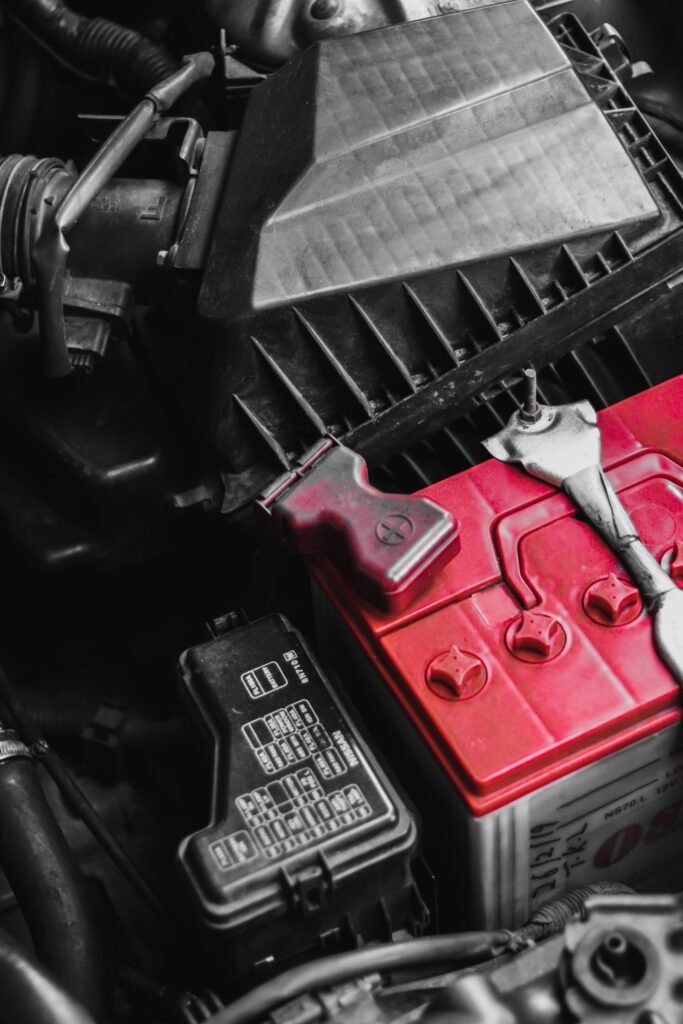
You can learn how to change a car battery yourself once you know the cable order and the safety steps. To remove a car battery, disconnect the negative cable first and the positive cable second. To install a car battery, connect the positive cable first and the negative cable last. Once you know how to change battery cables in the right order, the swap is a simple job.
This guide shows how to replace a car battery from test to first start. Test the old battery before you buy anything, because a flat battery is not always a dead battery. A loose cable or a failing alternator can cause the same slow start. If you have not checked the signs yet, read our guide on car battery problem signs first, because a free load test can save you buying a battery you do not need.
Check First: Is This a Job You Can Do Yourself
Open your owner’s manual before you buy tools or parts, because it tells you where the battery sits, which size fits, and whether your car needs a special step after a swap. On most cars the battery sits under the hood, but on some cars it sits in the trunk or under a rear seat, and you may need to remove a cover first. If the battery is buried under other parts, or the manual warns about a sensor on the cable, stop and book a shop.
Many cars with start stop systems use an AGM battery, and your car needs the same type again. If you drive a hybrid or an electric car, read the manual first, because the layout is different. If your car is a BMW, Audi, Volkswagen or Land Rover, check whether the new battery needs registration with a diagnostic tool, because Bosch notes that many of these models need that step.
Tools and Parts You Need Before You Start
Gather everything before you open the hood. You need safety glasses and gloves, a wrench that fits your terminal clamps, most top post clamps use a 10 mm wrench, a wire brush, baking soda and warm water for corrosion, clean rags, and petroleum jelly. A memory saver for the OBD port is useful but not required.
How to Choose the Right Replacement Battery
Match three things: size, power and type. The group size must fit the tray and the hold down, or the battery will move while you drive. The cold cranking amps rating must meet or beat the rating in your owner’s manual, because a weaker battery will struggle on cold mornings. The type must match too, so a car that came with an AGM battery gets an AGM battery again. Your owner’s manual lists the group size and the minimum power rating.
Check the date code before you pay, because batteries lose charge while they sit on a shelf, so pick the freshest one in stock. If the store offers free fitting, take it when the battery is hard to reach, but a simple swap under the hood is an easy first DIY job.
Safety Steps Before You Touch a Cable
Park on a flat surface, set the parking brake, switch the engine off, and take the key out of the ignition. AAA gives this as the first step in its battery replacement guide, and it matters, because a car that can roll or start while your hands are near the terminals is a real risk. Work outside or with the garage door open, and never smoke near a battery.
Put your safety glasses and gloves on first. Batteries hold sulfuric acid, which can burn skin and eyes, and AAA warns that the terminals can spark. Take off rings and metal jewelry, and never let a wrench bridge the positive terminal to the body of the car. If the case is swollen, cracked, leaking, or smells of rotten eggs, stop at once and let a shop handle it.
How to Remove a Car Battery
Find the negative terminal first. It carries a minus sign and a black cable, while the positive terminal carries a plus sign and a red cable. Loosen the clamp on the negative cable with your wrench and lift it clear of the post, then move it well away from the battery so it cannot spring back. AAA is clear: always remove the negative terminal first and reconnect it last, because that order stops a short circuit if your wrench touches the body of the car.
Loosen the positive clamp next and lift it clear too, then cover the positive post with a rag. Remove the hold down clamp, then lift the battery straight up with both hands and keep it level, because tipping it can spill acid. Interstate Batteries notes that car batteries can weigh 40 pounds or more, so ask for help if the battery is heavy.
How to Install a Car Battery
Clean the tray and the cable ends before the new battery goes in. Scrub the terminals and clamps with a wire brush until the metal shines, wash away corrosion with baking soda and warm water, then dry everything. AAA suggests cleaning corrosion this way in its battery guide. If you want a deeper routine for keeping terminals clean between swaps, read our guide on car battery maintenance. Corrosion adds resistance, so a dirty clamp can make a new battery crank like an old one.
Here is how to install car battery cables in the right order. Set the new battery in the tray the same way round as the old one, and refit the hold down clamp so it cannot move. Connect the positive cable first, push the clamp fully down, and tighten it until it is snug and cannot be twisted by hand. Then connect the negative cable last and tighten it the same way. Do not overtighten, because the soft lead posts can crack or bend. Finish with a thin coat of petroleum jelly on the terminals, which AAA recommends to slow corrosion.
What to Do After You Fit the New Battery
Start the car and watch what happens. It should crank briskly and start without a long struggle. If it cranks slowly, switch off, check that both clamps are tight and fully seated, and try again. If it still struggles, the new battery may need a charge, or the fault may sit elsewhere. If the car will not start at all, read our guide on how to jump start a car and get a free test before you assume the new battery is faulty.
Expect some settings to reset. The clock, the radio presets and the trip data often clear when power is cut, and Bosch notes that one touch windows, the sunroof and the idle speed may need a short relearn that you can usually do yourself. Reset the clock and save your radio stations again. If your radio asks for a security code, find the code in your owner’s pack before you start the swap, not after. A memory saver plugged into the OBD port during the swap avoids most of these resets.
Take the car for a steady drive and watch the dashboard. The battery warning light should go out within a few seconds and stay out. If it stays on, switch off the air conditioning and any chargers, and drive to a parts store for a charging system test. AAA notes that a healthy battery reads about 12.6 volts with the engine off.
How Often to Replace a Car Battery
Most car batteries last 3 to 5 years, according to AAA, and AAA recommends testing the battery once a year once it passes its third birthday. Heat shortens that life, so a battery in a hot climate often lasts closer to 3 years, while one in a cool climate can last 5 years or more. Test the battery and watch the signs rather than replacing it on age alone.
The rule for when to replace car battery units is simple: test first, then decide. Replace the battery when it fails a load test, needs jump starts again and again, goes flat overnight, or shows a swollen or cracked case. Replace it before a long trip or a cold winter if a test shows it is weak.
When to Let a Shop Do It Instead
If your car sits in the first row, a home swap is a fair job. If it sits in the second or third row, book a shop.
| Option | Best for | Watch out |
|---|---|---|
| Do it yourself | Battery under the hood, easy to reach | You need the right size and cable order |
| Book a shop | Hard to reach battery, registration needed, hybrid or electric car | Ask for the test result in writing |
| Book a shop at once | Swollen case, rotten egg smell, warning light while driving | Do not keep jump starting a damaged battery |
Book a mechanic at once if you see a swollen or cracked case, smell rotten eggs, or the warning light stays on while you drive. Book a mechanic before you replace the battery if a test shows the alternator is not charging, because a new battery will not fix a charging fault. If you are unsure about the cable order, stop and let a shop fit the battery.
What to Do With the Old Battery
Never put an old battery in household trash. The EPA notes that about 99 percent of lead acid batteries are recycled, which makes them one of the most recycled products in the country. Take the old battery back to the parts store where you bought the new one, or to a battery retailer or a household hazardous waste site. Carry it upright and keep metal away from the terminals.
Ask about the core charge when you buy: the EPA notes the refundable core charge usually runs 5 to 20 dollars, and you get it back when you return the old battery.
Frequently asked questions
How do I know if I need a new battery or just a charge?
Charge it fully, then get a free load test. If it reads about 12.6 volts at rest and passes the test, it was flat, so fix the cause, such as a light left on. If it fails the test, needs jump starts again and again, or is past 5 years old with slow cranking, replace it.
Which cable do I remove first when I change a car battery?
Remove the negative cable first, then the positive cable. When you fit the new battery, connect the positive cable first and the negative cable last. AAA gives this order because it stops your wrench from causing a short circuit.
Will changing my car battery reset my radio and clock?
Yes, often. The clock, the radio presets and the trip data usually clear, and one touch windows may need a short relearn. Use a memory saver during the swap, or write down your presets and find your radio security code first.
How often to replace car battery?
Plan on 3 to 5 years, according to AAA, and test the battery once a year from its third birthday. Replace it when it fails a load test, needs jump starts again and again, or shows a swollen or cracked case, rather than on age alone.
Pingback: Car Battery Positive or Negative: Which Terminal Is Which?