
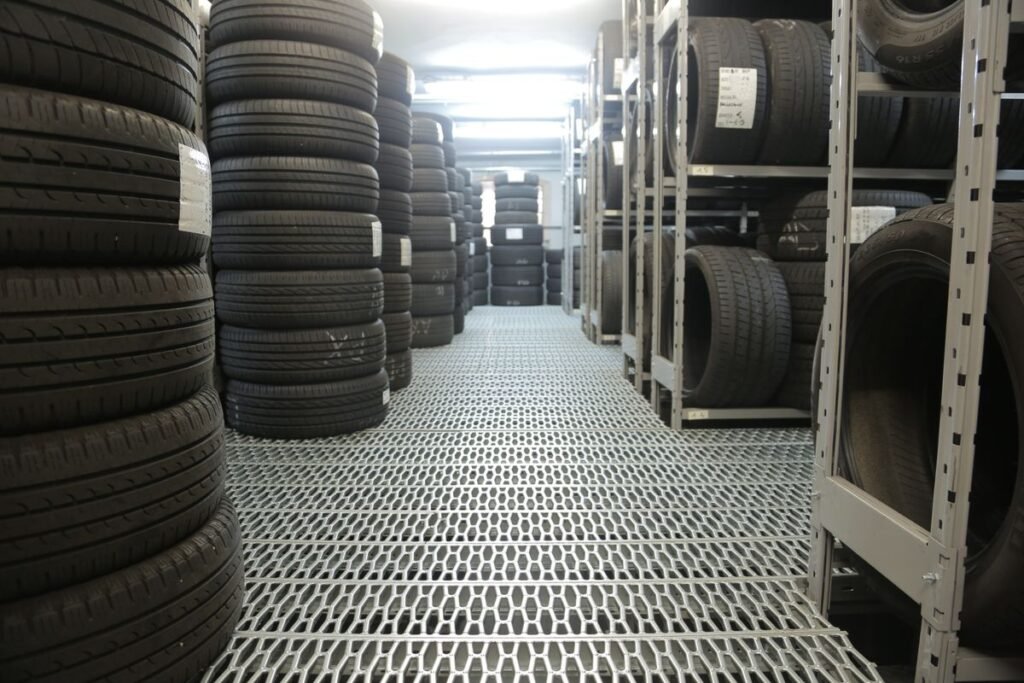
So, how much is a new tire? For a typical passenger car, expect to pay between $80 and $300 for one tire, with most drivers landing near $150 to $200 before fitting. Small economy car tires can cost less than $80, while large SUV, truck, and performance tires easily run $250 to $400 each. This guide breaks down what changes the price, what fitting really adds, and how to budget when you need more than one.
Average tire prices by vehicle and tire type
| Tire type | Typical price per tire |
|---|---|
| Economy tire for a small car | $60 to $120 |
| Mid range all season tire for a sedan | $120 to $220 |
| Premium touring tire | $180 to $300 |
| SUV and light truck all terrain tire | $180 to $350 |
| Performance and summer tire | $200 to $400 |
| Run flat tire | $200 to $400 |
| Winter tire | $100 to $250 |
Prices vary by car model and region, and the same tire can differ by $30 or more between sellers, so it pays to compare the fitted price, not just the tire price.
The extra costs nobody quotes first
The sticker price is only part of the bill. Fitting one tire usually adds mounting and balancing at $20 to $35 per tire, a new valve stem or tire pressure sensor service at $5 to $15, and a disposal fee of $2 to $5 for the old tire. A wheel alignment check is often recommended when you fit new tires, and a full alignment costs $80 to $150. If your car has tire pressure sensors and one needs replacing, add $50 to $100. Ask for the drive away price so these items do not surprise you at the counter.
How size and markings change the price
Bigger wheels cost more, plain and simple. A common 15 or 16 inch tire is cheap because millions are sold, while a low profile 19 or 20 inch tire uses more technology and sells in smaller numbers. The numbers and letters on the sidewall tell the whole story of size, load, and speed capability, and buying the wrong specification can cost money twice. Before you shop, read our guide to tire numbers explained so you can quote the exact size and compare like for like.
Speed and load ratings matter for safety and cost
Every tire carries a speed rating letter and a load index. Fitting a lower rating than the car maker specifies can affect handling, insurance, and safety, and it rarely saves much money. Higher rated performance tires grip better but wear faster and cost more, so most family cars are happiest on the rating the car came with. Our guide to tire speed ratings explains what each letter means and how fast each rating is designed to run.
One tire, a pair, or a full set?
When people ask how much are new tires for the whole car, they are usually shocked to learn that a full set of mid range tires, fitted and balanced, commonly lands between $600 and $1,000. Replacing in pairs is the safe minimum when one tire is damaged, because the two tires on the same axle should match in model, size, and tread depth. On all wheel drive cars, a big difference in tread depth between tires can strain the drivetrain, so some makers recommend replacing all four together. A single new tire makes sense mainly when the others are nearly new and the exact same model is available.
Ways to save without buying unsafe tires
- Compare fitted prices from at least three sellers, including online tire shops that ship to a local fitter.
- Look for manufacturer rebates, which commonly return $40 to $110 on a set of four.
- Stick with the size and rating the car maker fitted, rather than upgrading to larger wheels.
- Choose a respected mid range brand over the cheapest unknown tire; braking distances differ a lot between them.
- Keep pressures correct and rotate tires every 6,000 to 8,000 miles so the set lasts longer.
- Never buy part worn tires with unknown history if your budget can stretch to new economy tires instead.
Why electric and specialty tires cost more
Electric vehicles have pushed tire prices up for their owners. EVs are heavier than similar gasoline cars and deliver instant torque, so their tires use stronger construction and wear faster; many carry special foam inserts for quiet running and rubber compounds tuned for low rolling resistance. A replacement set for a popular electric model commonly costs $250 to $400 per tire, noticeably more than the figures for a family sedan. The same is true for large diameter factory wheels and staggered fitments, where the rear tires are wider than the fronts and cannot be rotated. If you own such a car, build tire replacement into your running costs from day one rather than treating the first big bill as a surprise.
Frequently asked questions
How long should a new tire last?
Most all season tires last 40,000 to 60,000 miles, or about four to six years of average driving. Age matters as well as tread: rubber hardens over time, and many makers suggest replacing tires at six to ten years regardless of tread.
Is it okay to mix tire brands on one car?
It is best avoided. Tires on the same axle should be the same model and size, and ideally all four should match. Mixing brands with different grip can make the car behave unpredictably in an emergency stop.
Do more expensive tires really perform better?
Up to a point, yes. Premium tires generally brake shorter in the wet, run quieter, and last longer than the cheapest options. Mid range tires from known brands are the sweet spot for most drivers.
A new tire is one of the few purchases that directly affects how your car stops, steers, and grips in the rain. Budget for the fitted price, match the specification on the sidewall, and replace at least in pairs, and you will get fair value and full safety from every set.