
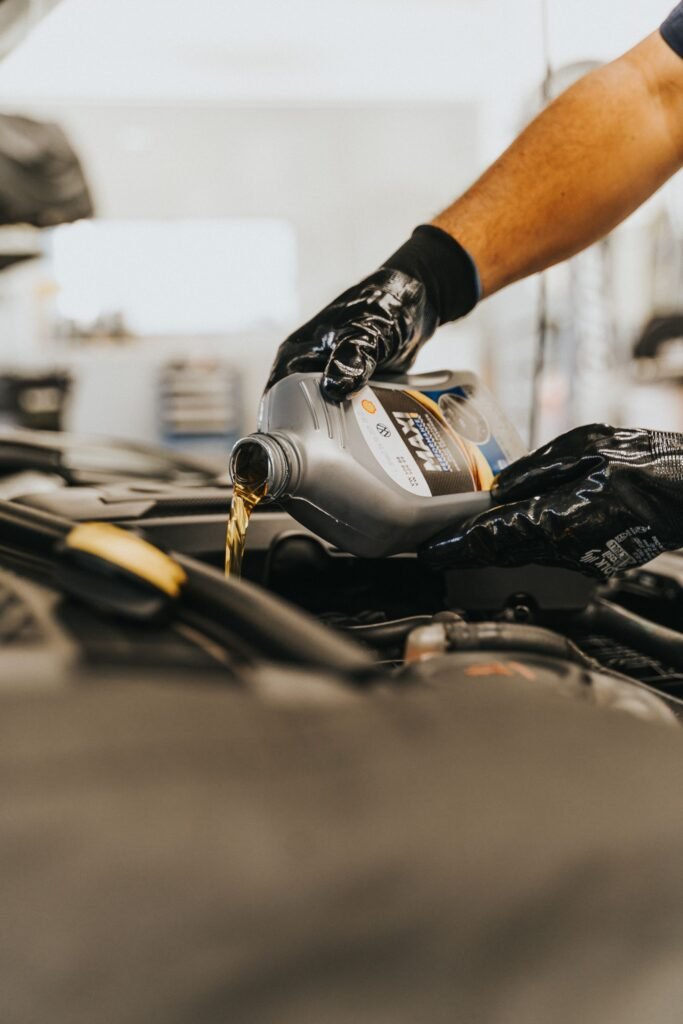
You start the car on a cold morning, the engine sounds a little rougher than you remember, and a small light on the dashboard catches your eye. You tell yourself it is probably nothing, because the car still gets you to work, but a quiet worry stays with you on every trip, because you know that ignoring engine oil is how small problems become big repair bills. This guide walks through the 9 warning signs that your car needs an oil change, what each sign means, what to do about it, and what an oil change costs, so you can act with confidence instead of guessing. But one question decides everything, and it comes before the list. Which sign means you can drive to a shop this week, and which one means you should stop the car right now?
The direct answer is that the signs you need an oil change are a reminder light or an oil light on the dashboard, oil that looks dark and feels gritty on the dipstick, a low oil level, louder engine noise or ticking at startup, a burning oil smell, smoke from the exhaust, worse fuel economy, an engine that runs hotter than usual, and simply being past the mileage or time interval in your owner manual. Any one of these signs is a good reason to check the oil and book an oil change soon. Two or more together mean you should not wait.
If you have been putting off the oil change because money is tight or life is busy, that worry about what it might cost, and what might already be damaged, is completely normal, and you are not alone in feeling it. The reassuring truth is that an oil change is one of the cheapest jobs a car ever needs, and catching these signs early is exactly how you keep it cheap. Keep reading, because the next section gives you the full list at a glance, so you can spot your sign in seconds.
The 9 Signs at a Glance
Before we go into detail, here is the whole list in one place. If you recognise any of these in your car, read the matching section below for what to do next.
- The oil change reminder light or the oil light is on.
- The oil on the dipstick looks dark and feels gritty.
- The oil level on the dipstick is low.
- The engine sounds louder than usual, or ticks at startup.
- You can smell burning oil, especially after a drive.
- You see smoke coming from the exhaust.
- Your fuel economy has got worse for no clear reason.
- The engine runs hotter than it used to.
- You are past the mileage or the time interval in your owner manual.
One sign on its own is a nudge. Two or three together are a clear message. The sections below explain each sign in plain language, what causes it, and the exact action to take, starting with the light on your dashboard. So which of these is your car showing you right now?
The 9 Warning Signs, Explained One by One
1. The oil change reminder light or the oil light is on
Many modern cars have an oil life monitor that tracks your miles, your driving style and the time since your last service, then turns on a reminder when the oil is due. The reminder may say oil change required, service due, or show a small oil can symbol. When you see it, the car is telling you the oil has reached the end of its useful life, even if the engine still feels fine. Your action is simple. Check the oil level on the dipstick, then book an oil change within the next few days. Do not reset the reminder without changing the oil, because the reminder is only a clock, and resetting it hides the warning while the old oil stays in the engine.
There is one light you must never confuse with the reminder. The red oil pressure warning, usually a red oil can symbol, means the engine does not have enough oil pressure, and that is an emergency, not a service reminder. If the red oil pressure light comes on, pull over in a safe place, switch the engine off, and call for help, because driving on with no oil pressure can destroy an engine in minutes. A yellow or amber oil reminder means book a service soon. A red oil pressure warning means stop driving now. Knowing the difference matters, and the next sign gives you the proof with your own eyes, because the dipstick shows you exactly what state your oil is in.
2. The oil on the dipstick looks dark and feels gritty
Fresh engine oil is amber in colour and feels smooth between your fingers. As it works, it picks up soot, dirt and tiny metal particles, and over time it turns dark brown or black and starts to feel gritty. Dark oil on its own is not always a crisis, because some oils darken quickly and still protect the engine well, but oil that is both very dark and gritty has collected more dirt than it can safely carry, and it is no longer lubricating as well as it should. Your action is to pull the dipstick, wipe it clean, dip it again, and look at the colour and feel of the oil on the tip. If it is dark brown or black and you can feel grit between your thumb and finger, book an oil change this week. If you can see shiny metal flakes in the oil, book a mechanic straight away, because metal flakes can mean parts inside the engine are wearing faster than they should.
A quick dipstick check costs nothing and takes two minutes, and it is the most honest test you can do at home, because the oil itself tells you its condition. The colour and the feel together are the clue, not the colour alone, and if the level is also low, the next sign explains why that combination needs urgent attention. So what does it mean when the level itself has dropped?
3. The oil level on the dipstick is low
Engine oil does not just get dirty, it also gets used up. A little oil is burned in normal driving, and older engines or engines with a small leak can lose oil faster. When the level falls below the low mark on the dipstick, there is less oil to cool and protect the engine, and the parts that need oil most get less of it. Your action is to check the level with the car on level ground and the engine cool, then top the oil up to the full mark with the correct grade from your owner manual if it is low. But topping up is only a short term fix. If the level drops again within a few weeks, you have a leak or the engine is burning oil, and a mechanic should find the cause. A low level plus a burning smell, which we cover below, is a strong sign of a leak that needs looking at soon.
Never drive far with the oil below the low mark. The engine can overheat, wear out faster, and in the worst case seize up completely, which is one of the most expensive failures a car can suffer. A bottle of oil costs far less than an engine, so check the level regularly, top it up when it is low, and book an oil change if the oil is also dark or old. And if the oil level is fine but the engine has started making new noises, the next sign explains what that sound is trying to tell you.
4. The engine sounds louder than usual, or ticks at startup
Oil cushions the moving parts inside the engine, so when the oil is old, thin or low, those parts start to touch each other more than they should, and you hear it. The most common sound is a light ticking or tapping when you first start the car, especially on a cold morning, which fades as the engine warms up. A louder, rougher engine note during normal driving, or a knocking sound that gets worse when you press the accelerator, is a more serious version of the same problem. Your action depends on the sound. A light tick at startup that fades quickly means check the oil level and book an oil change this week. A loud knock, a rattle, or a sound that gets worse as you drive means pull over, switch the engine off, and call for help, because metal parts are hitting each other without enough oil between them.
Do not turn the radio up and hope the noise goes away. Engine noise is one of the few signs that gets worse the longer you ignore it, because every minute of running with poor lubrication adds wear that cannot be undone. Check the oil level first, because a low level is the simplest explanation, and if the level is fine but the noise stays, let a mechanic listen to it before your next long drive. Noise plus dark oil together is a clear call for a fresh oil change, and the next sign is one you will notice with your nose before you see it.
5. You can smell burning oil
A burning oil smell, often noticed after you park or when you stop at a traffic light, usually means oil is leaking onto a hot part of the engine, such as the exhaust manifold, and burning off. It can also mean the oil itself is old and overheated, or that the engine is running hotter than it should. The smell is sharp and oily, quite different from the smell of coolant, which is sweet, or the smell of fuel. Your action is to check the oil level first, because a leak that burns oil will also lower the level, then look under the car for dark spots on the ground where you park, and look under the hood for wet or oily patches around the engine. If the level is low, top it up and book a mechanic to find the leak, because a leak does not fix itself and it will only get bigger.
A small leak found early is often a cheap fix, such as a worn gasket or a loose drain plug, while a leak left for months can coat the engine in oil, damage rubber hoses, and in rare cases become a fire risk if oil reaches a very hot exhaust part. If the smell is strong, if you see smoke from under the hood, or if the oil level keeps dropping fast, do not keep driving. Pull over, let the engine cool, and get help. And if the smell comes with smoke from the back of the car, the next sign explains what that smoke means.
6. You see smoke coming from the exhaust
A little white vapour on a cold morning is normal, because it is just condensation in the exhaust burning off, and it disappears as the engine warms up. The smoke that points to an oil problem is different. Blue or grey smoke from the exhaust means the engine is burning oil inside the cylinders, which happens when worn piston rings or valve seals let oil slip past and burn with the fuel. Thick white smoke that does not clear, or black smoke, points to other problems, such as coolant leaking into the engine or too much fuel, and both need a mechanic. Your action for blue smoke is to check the oil level right away, because an engine burning oil will use it up fast, then book a mechanic soon, because burning oil is not fixed by an oil change alone, even though fresh oil and a new filter are part of the visit.
Blue smoke is easy to miss if you never look in the mirror, so make it a habit to glance at the exhaust when you start the car and when you pull away. Catching it early can mean the difference between a repair and an engine rebuild, because an engine that burns oil will keep losing oil until the level falls low enough to cause real damage. If the smoke is thick, if it comes with a warning light, or if the engine is shaking, stop driving and call for help. And even when there is no smoke at all, the next sign can quietly tell you the oil is past its best, because it shows up at the fuel pump.
7. Your fuel economy has got worse for no clear reason
When oil gets old and thick with dirt, it does not flow as freely, and the engine has to work harder to push its parts through that thick oil. That extra work uses more fuel. If your miles per gallon have dropped noticeably over a few weeks, and you have not changed your driving, your tyres or your routes, old oil is one of the likely causes. Your action is to compare your recent fuel use with what the car used to do on the same kind of trips, then check the oil on the dipstick. If the oil is dark and gritty and the fuel economy is down, an oil change is the cheapest first step, and many drivers notice the fuel economy improve after fresh oil goes in.
This sign is easy to blame on other things, such as cold weather, short trips, or a heavy load, and those can all lower fuel economy too. The clue is the combination. Poor fuel economy plus dark oil, plus a reminder light, points firmly at the oil. Poor fuel economy on its own may need a wider check, including the air filter and the tyre pressures. But do not dismiss it, because fuel economy is your engine telling you how hard it is working, and an engine that works harder than it should also runs hotter, which brings us to the next sign.
8. The engine runs hotter than it used to
Engine oil does more than lubricate. It also carries heat away from the hottest parts of the engine. When the oil is old, low or dirty, it carries less heat, and the temperature gauge starts to sit higher than it used to, especially in slow traffic or on a long climb. Your action is to watch the temperature gauge over a few drives and note where it normally sits. If it now sits higher than usual, check the oil level and condition first, because that is the quickest check, then check the coolant level as well, because low coolant causes the same symptom. If the gauge climbs into the red zone, pull over, switch the engine off, and let it cool before you open anything, because opening a hot cooling system can cause serious burns.
An engine that runs hot is an engine under stress, and heat is what turns small wear into big damage. Fresh oil will not fix a failed thermostat or a coolant leak, but it will fix the part of the problem that comes from old oil, and it is the cheapest place to start. If the temperature stays high after an oil change and a coolant check, a mechanic should look at the cooling system. And if none of these signs has appeared yet, the last sign needs no symptom at all, because it is simply about time and miles.
9. You are past the mileage or the time interval in your owner manual
The simplest sign of all is the calendar and the odometer. Every car has an oil change interval in its owner manual, a mileage figure and a time figure, and whichever comes first is the one that counts. Conventional oil usually needs changing around 3,000 to 5,000 miles, while full synthetic can reach 7,500 miles or more, but the owner manual interval always comes first, because it is set for your exact engine. Even if you drive very little, oil ages and collects moisture over time, so a car that sits for months still needs an oil change on time. Your action is to check the sticker on your windscreen or the service record for the last oil change date and mileage, compare it with the interval in the manual, and book the service if either figure has passed. If you do not know when the oil was last changed, which is common with a used car, book an oil change now and start fresh, because that gives you a known date to count from.
Many drivers wait for a warning light or a noise, but the interval is the sign that arrives before any damage happens, and it is the cheapest one to act on. You can read our guide on how often you should change your oil to work out the right interval for your car and your driving style. Once you know the signs, the next step is the check itself, and it takes less time than reading this section.
How to Check Your Oil on the Dipstick in 2 Minutes
You do not need tools, skill or a garage to check your oil, and this two minute check settles most of the signs above. Park on level ground, switch the engine off, and wait a few minutes so the oil drains back into the pan. Open the hood and find the dipstick, which usually has a bright yellow or orange loop handle. Pull it out, wipe it clean with a rag or a paper towel, push it all the way back in, then pull it out again and read it.
Read three things. First, the level. The tip has two marks, or a crosshatched area, and the oil should sit between the low and full marks. Below the low mark means top it up. Second, the colour. Fresh oil is amber, old oil is dark brown or black. Third, the feel. Rub a drop between your thumb and finger. Smooth is good, gritty means the oil is carrying dirt and is due for a change. If you want the full walkthrough with photos of each step, read our guide on how to check the oil in your car. Make this check a monthly habit, and you will catch low oil and dirty oil weeks before they become a repair bill. But what actually happens inside the engine if you see these signs and keep driving anyway?

What Happens If You Keep Driving Past the Signs
Old oil does not fail all at once. It fails slowly, and that slow failure is what makes it dangerous, because the car keeps running while the damage builds. As oil ages, it thickens with soot and loses the additives that protect metal, so friction rises, parts wear faster, and heat builds up. Sludge, a thick tar like deposit, can form and block the narrow oil passages that feed the top of the engine, starving parts of oil even when the level looks fine. Over months, that wear shows up as louder noise, worse fuel economy, blue smoke, and finally a warning light, and by then the repair is no longer a simple oil change.
The worst outcome is an engine that seizes, which means the moving parts weld themselves together from heat and friction, and the engine stops turning. A seized engine usually means a replacement engine or a new car, and that bill runs into thousands of dollars, all to save the cost of an oil change. The lesson is simple. An oil change is the cheapest insurance your engine ever gets, and every sign in this guide is the car asking for it early, while it is still cheap. So what does that cheap job actually cost?
How Much Does an Oil Change Cost
An oil change is one of the cheapest routine jobs, and the price depends mainly on the type of oil your car needs. Here is a real example from a New York City 2026 shop price guide checked during this run. In that guide, an oil change typically costs 50 to 90 dollars for conventional oil and 90 to 150 dollars for full synthetic, with the exact price depending on the shop, the car and the amount of oil the engine holds. A second 2026 guide lists slightly lower figures, conventional oil at 45 to 65 dollars and full synthetic at 80 to 120 dollars, so prices vary by city and by shop, and it is worth asking two or three shops before you book.
| Oil type | Typical shop price | Change interval |
|---|---|---|
| Conventional oil | 50 to 90 dollars | 3,000 to 5,000 miles |
| Synthetic blend | Priced between conventional and full synthetic, ask your shop for the exact figure | Check your owner manual |
| Full synthetic | 90 to 150 dollars | 7,500 miles or more |
Use the table above as a guide, not a quote, because prices vary by city, by shop and by car. A larger engine holds more oil, so it costs more, and some cars need a special grade or a special filter that adds to the bill. Always ask what the quoted price includes, because a good oil change includes a new oil filter, a check of the oil level, and a look for leaks. If you are handy with tools, you can also learn how to do an oil change at home, though you will still need the oil, a new filter, and a safe way to dispose of the old oil. Now that you know the cost, the last decision is the simplest one. When do you drive to the shop, and when do you stop the car?
When to Drive to a Shop and When to Stop the Car
Most of the signs in this guide mean drive to a shop soon, not stop where you are. Drive gently to a nearby shop within the next few days if you have a reminder light, dark or gritty oil, a slightly low level that you have topped up, a light tick at startup, worse fuel economy, or you are simply past the interval. Drive gently, avoid hard acceleration and high speeds, and keep an ear out for any change. If a new noise starts, or a new smell appears, pull over and reassess.
Stop driving and call for help if the red oil pressure warning light comes on, the engine knocks loudly or rattles, you see thick smoke, the temperature gauge climbs into the red, or the oil level is so low that the dipstick comes out dry. In those cases, driving on can turn a repair into a replacement engine. Pull over in a safe place, switch the engine off, and get the car towed. The difference is simple. A reminder light is a booking. A red oil pressure light is an emergency. And with that line clear, here are the answers to the questions drivers ask most about oil changes.
Frequently asked questions
How do I know if my car needs an oil change?
Check the reminder light, the mileage and the time since your last oil change, then check the oil on the dipstick. If the reminder is on, the oil is dark and gritty, the level is low, or you are past the interval in your owner manual, your car needs an oil change. Any one of these signs is enough reason to book one soon.
Can I drive with the oil change light on?
Yes, usually, if the light is the yellow or amber oil change reminder and the car drives normally. Book an oil change within the next few days and drive gently until then. Do not drive on if the light is the red oil pressure warning, because that means the engine does not have enough oil pressure, and you should pull over, switch the engine off, and call for help.
How much does an oil change cost?
An oil change in the US typically costs 50 to 90 dollars for conventional oil and 90 to 150 dollars for full synthetic, according to a New York City 2026 shop price guide. A second 2026 guide lists conventional oil at 45 to 65 dollars and full synthetic at 80 to 120 dollars. Prices vary by city, by shop and by car, so ask your shop for an exact quote before you book.
What happens if I never change my engine oil?
The oil thickens with dirt, loses its ability to protect the engine, and sludge can block the oil passages. Friction and heat rise, parts wear faster, fuel economy drops, and the engine can eventually seize, which means a replacement engine or a new car. An oil change is one of the cheapest jobs a car needs, and skipping it is one of the most expensive mistakes a driver can make.